Orangutans Return to Borneo After Wildfires
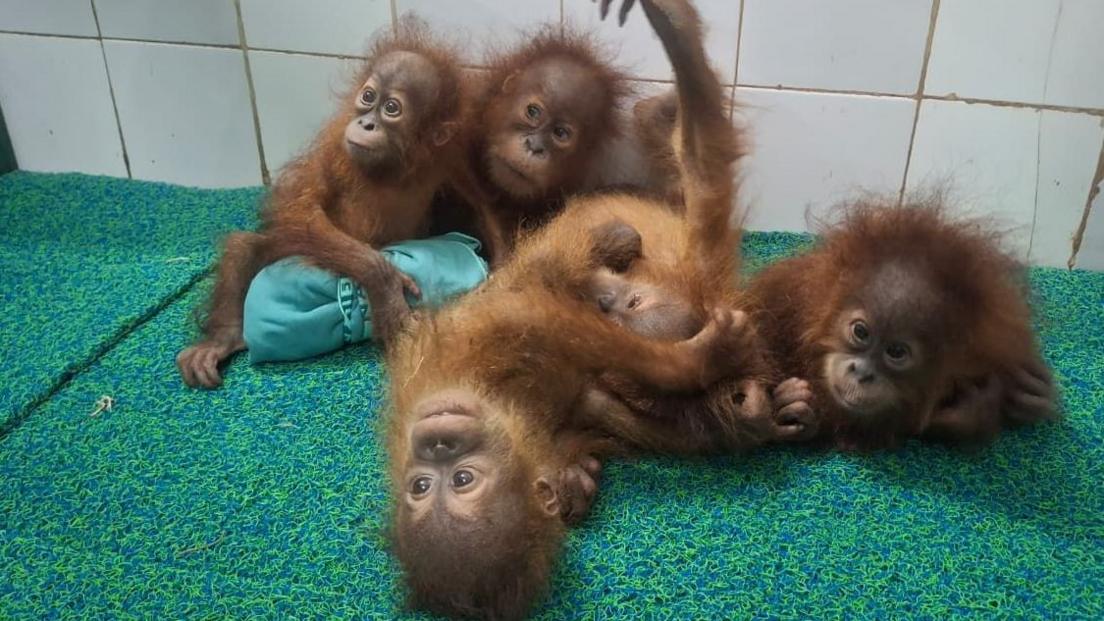
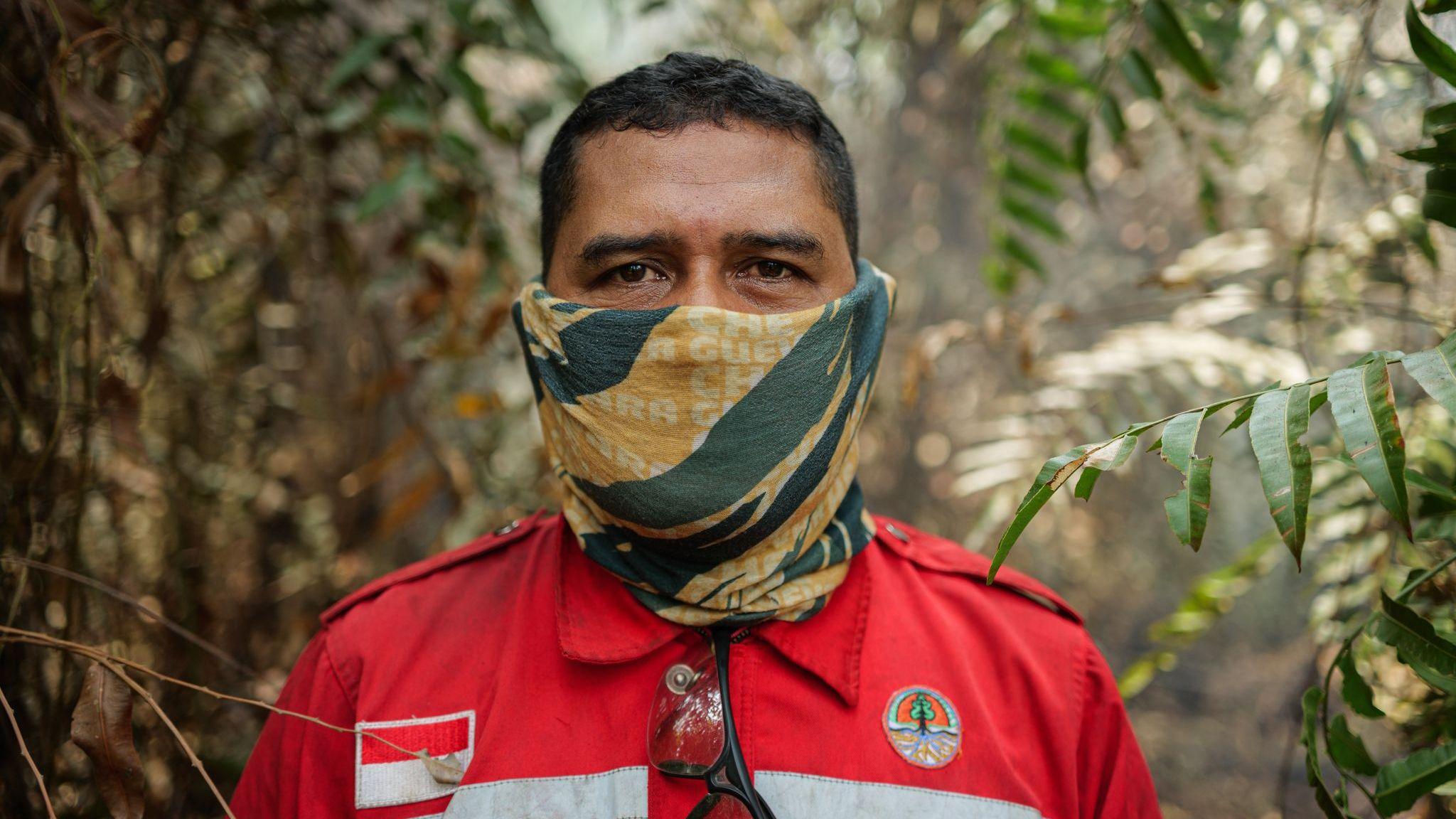
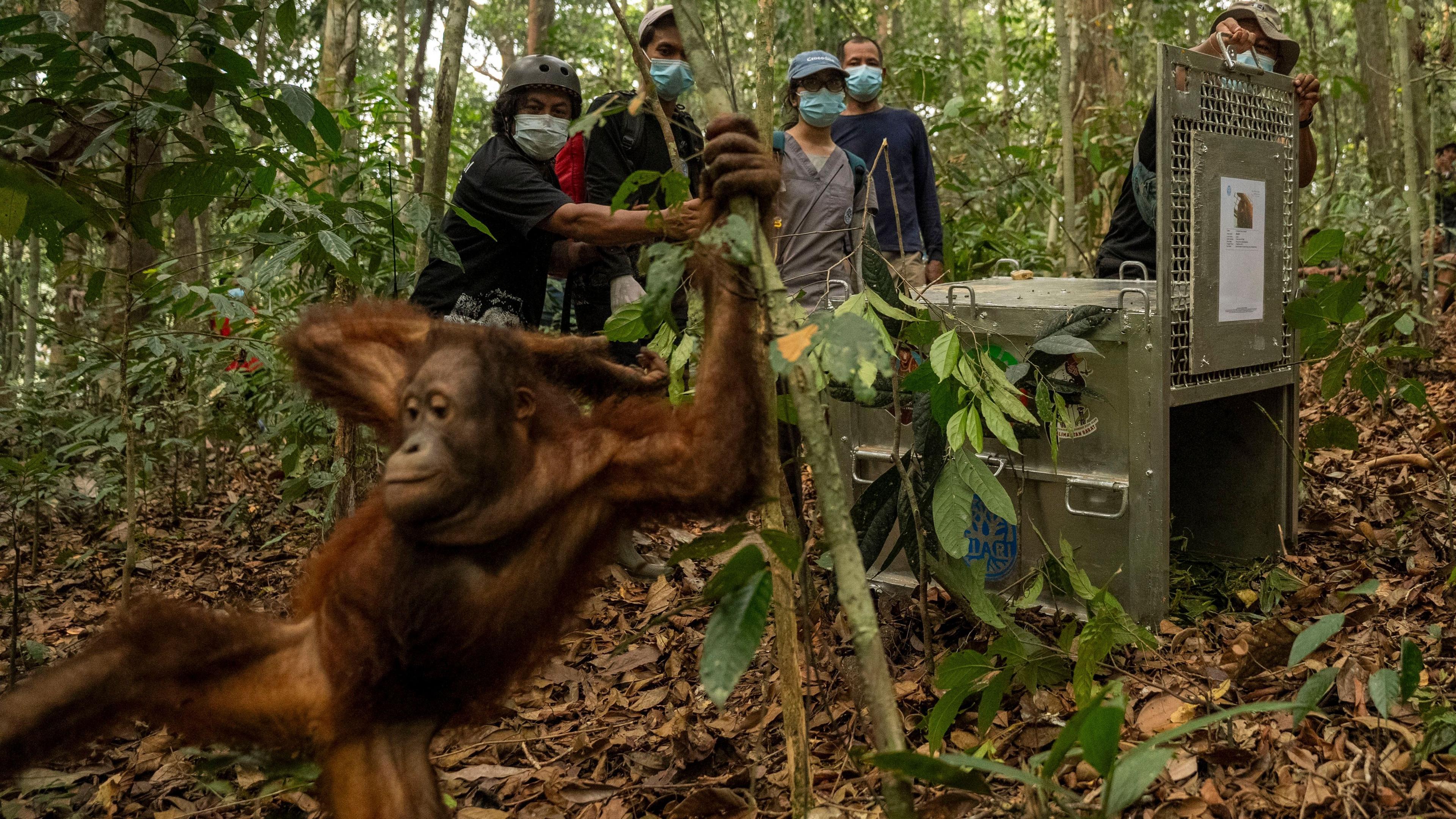
Eight orangutans have been released back into the wild in Borneo’s western reserve after they were rescued from wildfires that scorched their habitats during the summer. The group includes three mother‑offspring trios and two adult males, all of whom were taken into temporary captivity by Indonesia’s International Animal Rescue Indonesia (Yiari) and the forestry ministry.
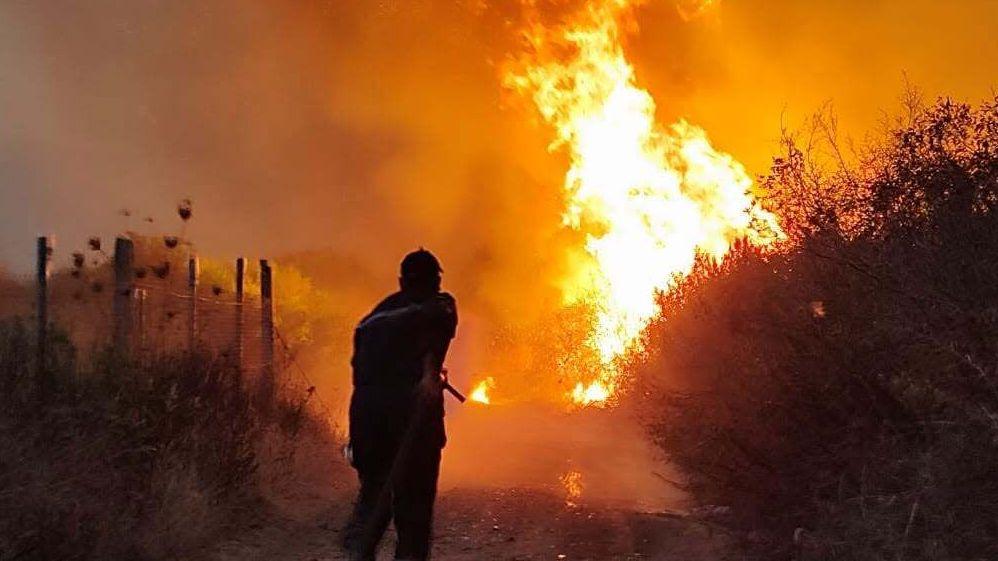
Indonesia has recorded 46 orangutan rescues from fires in August and September, a period when El Niño intensified the country’s dry season and increased fire risk across the island. According to WWF, the island’s critical primate population has declined from over 230,000 a century ago to roughly 104,000 today.
The new reserve was selected for its abundant food resources and connectivity to other forest patches, giving the primates a realistic chance to re‑establish themselves in their natural environment. “We want to ensure that rescued orangutans are not simply moved from one place to another, but actually have a chance to survive in their natural habitat,” said Yiari’s Argitoe Ranting.
The Greater Context of Loss
The International Union for Conservation of Nature recently warned that wildfires were burning through habitats containing 52% of Borneo’s orangutan population. The fires, coupled with the destruction of dense, fire‑resistant forests by clearing for oil palm plantations, have turned large swathes of forest into inhospitable terrain for the primates.
With the strongest El Niño on record and climate change projections indicating a future of more intense and frequent droughts, conservationists fear that further wildfire events could eliminate remaining safe havens for these threatened apes.
A Glimpse into the Rescues
Mama Nopi and her three children – Nopi, Naufal and Nopan – were salvaged from a coconut and rubber plantation when a nearby fire cut off their food source and exposed them to human contact.
Another mother, Lifa, and her child, also named Lifa, were found in a patch of acacia trees surrounded by oil palm plantations, prompting evacuation after their habitat was burned.

Witnesses in the reserve observed the animals re‑entering the forest, with parents and offspring playing among the trees. The event, captured by Yiari staff, was broadcast in a livestream that attracted remote viewers from across the globe, demonstrating the power of digital platforms to bring real‑world conservation moments into the metaverse.
Human intervention has saved these apes from the blaze but the root causes remain. As the region continues to experience intense dry seasons, the international community must strengthen land‑management policies and invest in resilient forest ecosystems to safeguard both wildlife and the local peoples who depend on them.