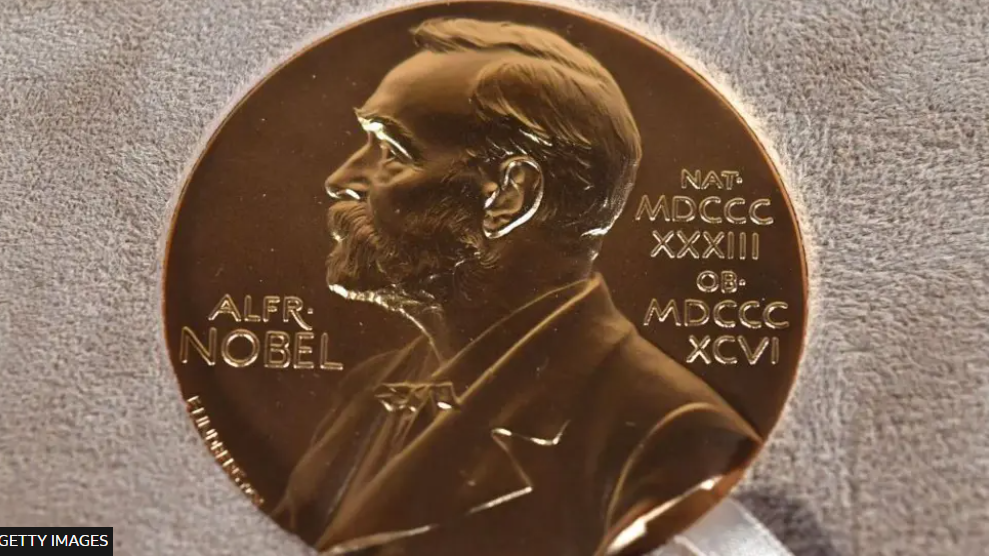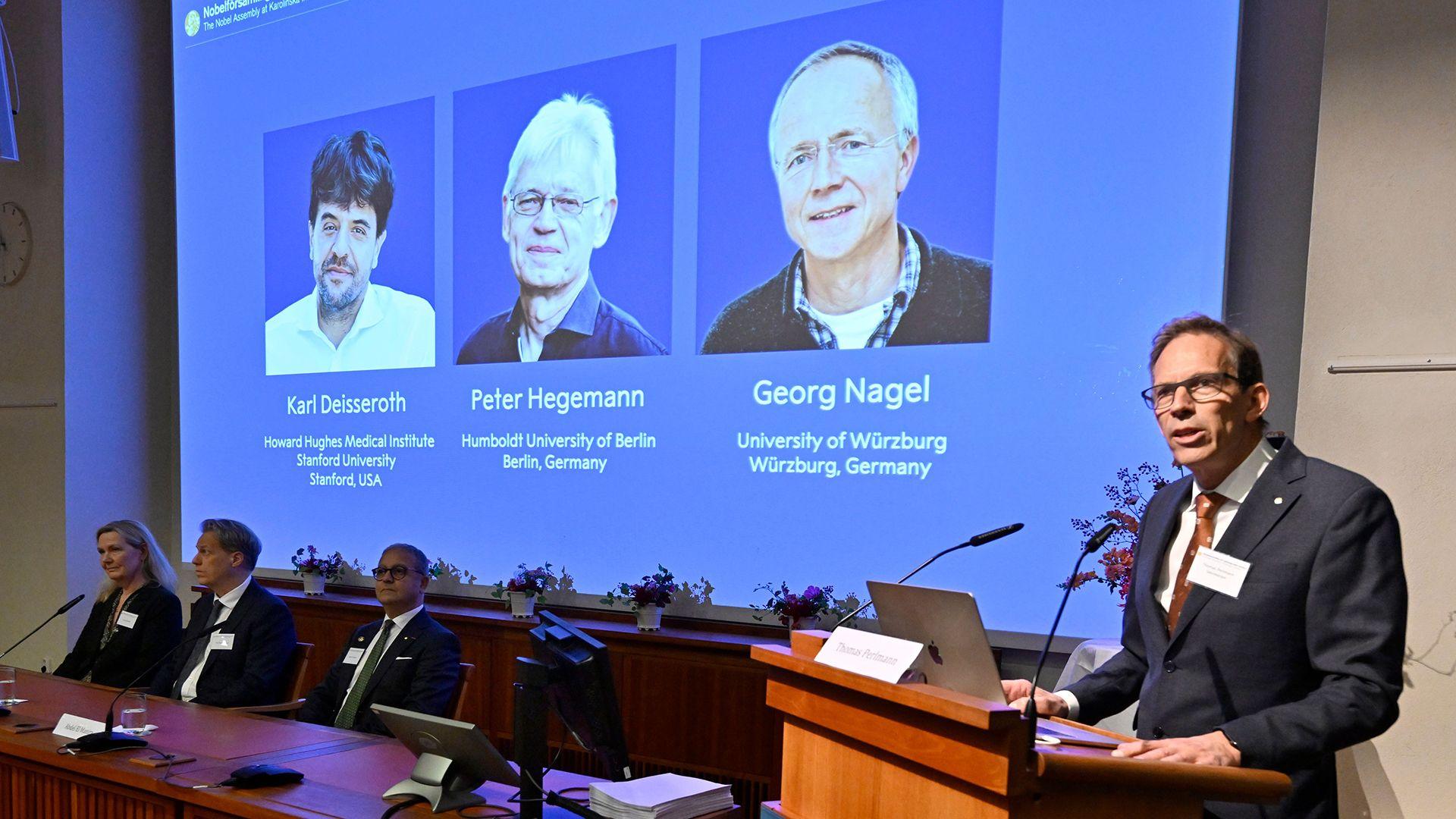
On Thursday the Nobel Assembly revealed that Karl Deisseroth, a psychiatrist and neurologist from the United States, alongside German physicists Peter Hegemann and Georg Nagel, were awarded the 2026 Nobel Prize in Physiology or Medicine.
Their breakthrough field is optogenetics, a method that leverages light‑sensitive proteins harvested from algae to switch neural circuits on and off with unprecedented precision. This capability has allowed scientists to map the brain’s intricate networks, unravelling how specific memories, emotions and actions arise from electrical activity.
In the clinic, the technique is now being tested to help patients recover partial vision after severe retinal degeneration. By inserting a light‑sensitive protein into damaged retinal tissue and using specialised glasses to emit controlled light, researchers have seen measurable sight restoration in early trials.
According to the Nobel Assembly, "Optogenetics has fundamentally altered our understanding of the brain" and "every day brings new discoveries, helping to solve one of humanity's great mysteries: how our incredible brain works." The award was described by the laureates as \'absolutely wonderful\' and a shared honour that underscores the collaborative nature of modern science.
According to Per Svenningsson, chair of the Nobel Committee for Physiology or Medicine, the discovery of the light‑responsive protein channelrhodopsin—first identified by Hegemann and Nagel in the early 2000s—enabled Deisseroth to develop a protocol to illuminate specific brain regions in living mice. By precisely activating or silencing individual neuron types, researchers can observe the resulting behavioural changes, offering critical insights into psychiatric and neurological disorders.
The committee noted that optogenetics also promises to deepen our understanding of how the nervous system interacts with other organs such as the heart and gut, highlighting the broader systemic implications of this technology.