Nobel Prize 2026 Honors Optogenetics Pioneers for Decoding Brain Circuits
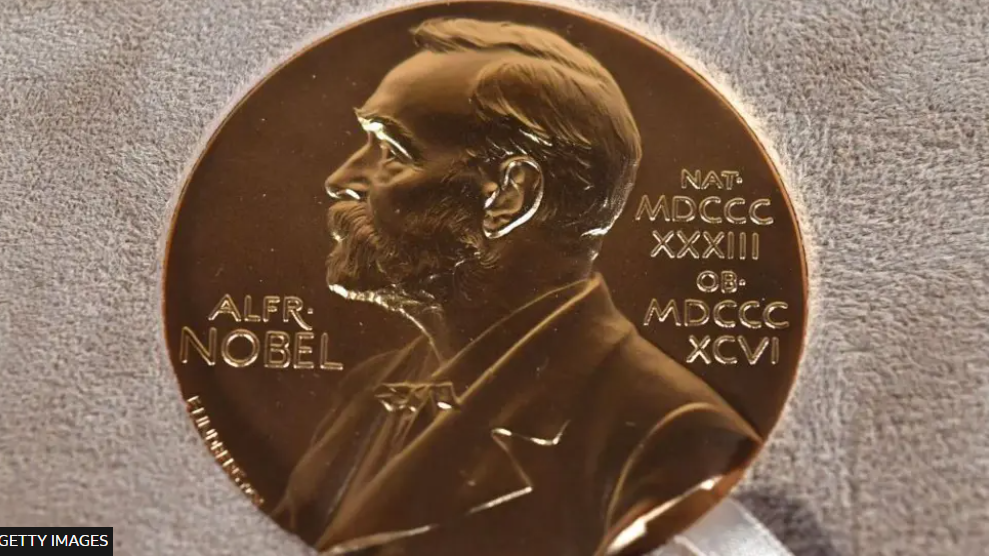
US psychiatrist and neurologist Karl Deisseroth, along with German colleagues Peter Hegemann and Georg Nagel, were awarded the 2026 Nobel Prize in Physiology or Medicine for pioneering optogenetics, a groundbreaking method that uses light to precisely control neural activity.
Optogenetics allows scientists to illuminate individual neurons and observe the behavioral outcomes, revealing how specific circuits give rise to memory, emotions and actions. The trio’s work has illuminated the pathways behind what scientists once thought of as “black boxes” in the brain, setting a new standard for neuroscientific exploration.
The Nobel Committee highlighted the research as a foundation for a new era, noting its implications for understanding and treating neurological and psychiatric disorders such as depression, anxiety and Parkinson’s disease.
Beyond basic science, clinicians are already exploring optogenetics to restore sight in patients with visual impairment, aiming to re‑wire damaged retinal pathways through light‑activated proteins.
As the field moves forward, the laureates’ inventions promise to translate the precise control of brain circuits into therapies for a range of mental and sensory conditions, heralding a promising future for neuro‑medicine.