In brief
Israel launched a series of airstrikes in southern Lebanon that killed nine civilians, including three children and two women, in the towns of Ansar and Deir al-Zahrani. Lebanese authorities condemned the attacks, arguing they hit civilian infrastructure rather than military targets. The strikes came just months after a ceasefire framework was agreed upon, yet tensions remain high as Israeli forces maintain a 10‑km security zone. The conflict, involving Hezbollah and Iranian-backed forces, continues to inflict human suffering on Lebanese communities.
Nine civilians were killed in Israeli airstrikes on southern Lebanon in a single day, an escalation that many say undermines the recently agreed ceasefire framework.
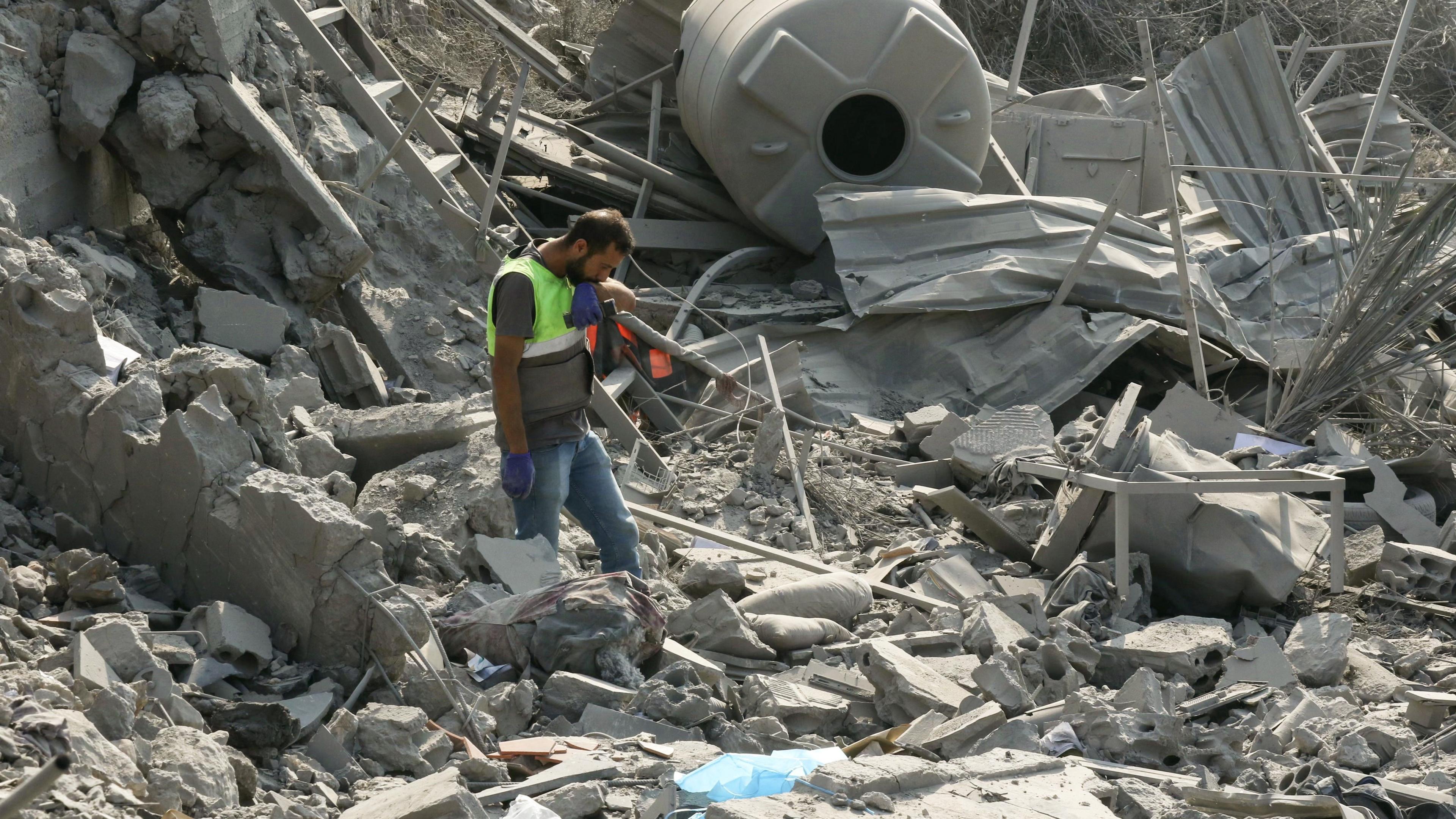
The first strike struck a residential house on the outskirts of Ansar in the Nabatieh district at around 04:30 local time, killing seven people, including three children and two women, according to government sources. Social media footage released hours after the attack shows large plumes of smoke over the village streets as sirens howl.
A second wave of bombing hit the town of Deir al-Zahrani later that Saturday, killing two more and leaving nine injured, the Lebanese Ministry of Health confirmed. Agents at the scene described the blast as an unexpected and devastating event that left residents with deep trauma.
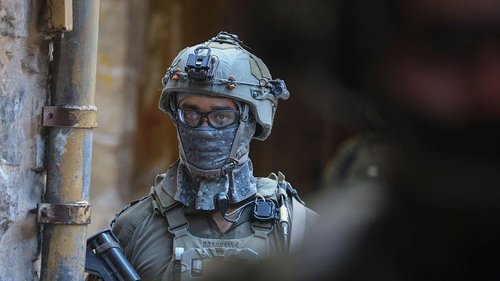
Israel’s military justification cited “Hezbollah terror infrastructure” and a response to a prior attack on its soldiers, yet the Lebanese Prime Minister Nawaf Salam accused the strikes of targeting civilians and called for an immediate halt to the escalation. He stressed that security of Lebanese citizens is non-negotiable.
The zones in question are part of a 10‑km security buffer that remains under Israeli occupation, though sporadic Israeli strikes continue even after the June ceasefire framework called for withdrawals and disarmament. Lebanese state-run media reported additional strikes around the strategic Ali al‑Taher Ridge, over which Israel claims threat mitigation.
For context, the broader conflict began in March when Hezbollah launched rockets into Israel following a U.S. strike that killed Iran’s supreme leader. Israel’s subsequent bombing campaign and partial invasion of southern Lebanon have maintained a low‑level but persistent theater of war, with Israeli forces still occupying roughly five percent of Lebanese territory.
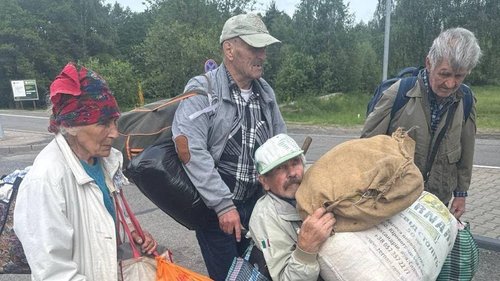
In light of these events, the Lebanese Army faces pressure from Hezbollah’s leadership to defend its forces against ongoing bombardment in the border zone, while diplomatic talks slated for September await a concrete date. The humanitarian toll is rising, as families flee damaged homes, and the world watches for a lasting resolution.