In brief
Nigeria’s foreign ministry announced it will ask South Africa for compensation after a wave of anti‑migrant protests forced many Nigerians to abandon their businesses and homes. Acting High Commissioner Alexander Ajayi is documenting abandoned properties while a trading clerk in Centurion reports losses totaling over 16,000 rand. South Africa views the departing Nigerians as illegal residents; however, roughly 600 Nigerians have already been repatriated, and 25,000 other Africans fled the country. Both governments intend to negotiate at the highest level, with Nigeria cautioning that compensation is unlikely. The incident highlights growing tensions over migration in the region.
Nigeria’s foreign ministry spokesman Kimiebi Imomotimi Ebienfa told the BBC that the country will seek compensation from South Africa for citizens who have abandoned their businesses and homes after anti‑migrant demonstrations.
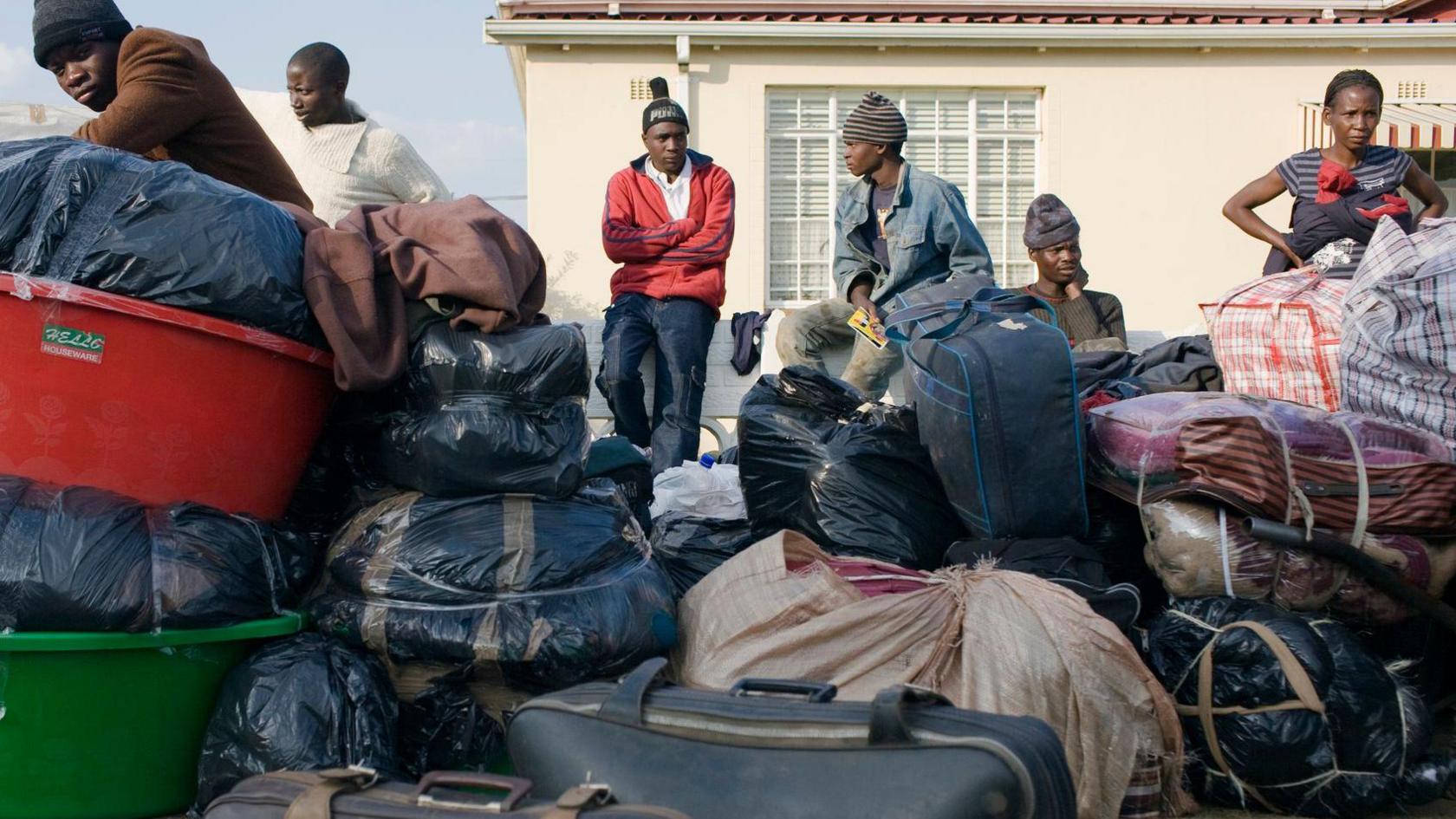
The demand will be discussed at the highest diplomatic levels, according to Ebienfa, while Acting High Commissioner to South Africa Alexander Ajayi reported that Nigerian residents in the country are documenting the properties they left behind. Some traders have been forced to abandon premises to avoid violence.
Oghodero Erejor Wilson, 32, who operated a clothing shop in Centurion, Gauteng, said he was compelled to close his store and retreat to a safe zone near the Nigerian High Commission in Pretoria. He estimates the inventory worth over 16,000 rand (about 975 USD) was abandoned. His residency papers expired in 2021, leaving him unable to renew his status.
“I left everything in the house, even clothes,” Wilson told the BBC. “If the South African government can compensate, it would be nice, but I know they won’t.”
Nigeria has already repatriated more than 600 citizens in recent weeks, but it is still arguing that those deported were illegal in the country—an assertion disputed by Nigerian officials.
The exodus also involved over 25,000 nationals from other African countries who fled after anti‑migrant groups gave a 30‑June deadline for foreigners to leave South Africa. While the marches were largely peaceful, isolated incidents of assault were reported, and around 900 people were arrested by police for immigration offences and looting.
The BBC’s inquiry to the South African government on Nigeria’s compensation claim has not yet received a response.
Related Topics: Africa, Nigeria, South Africa