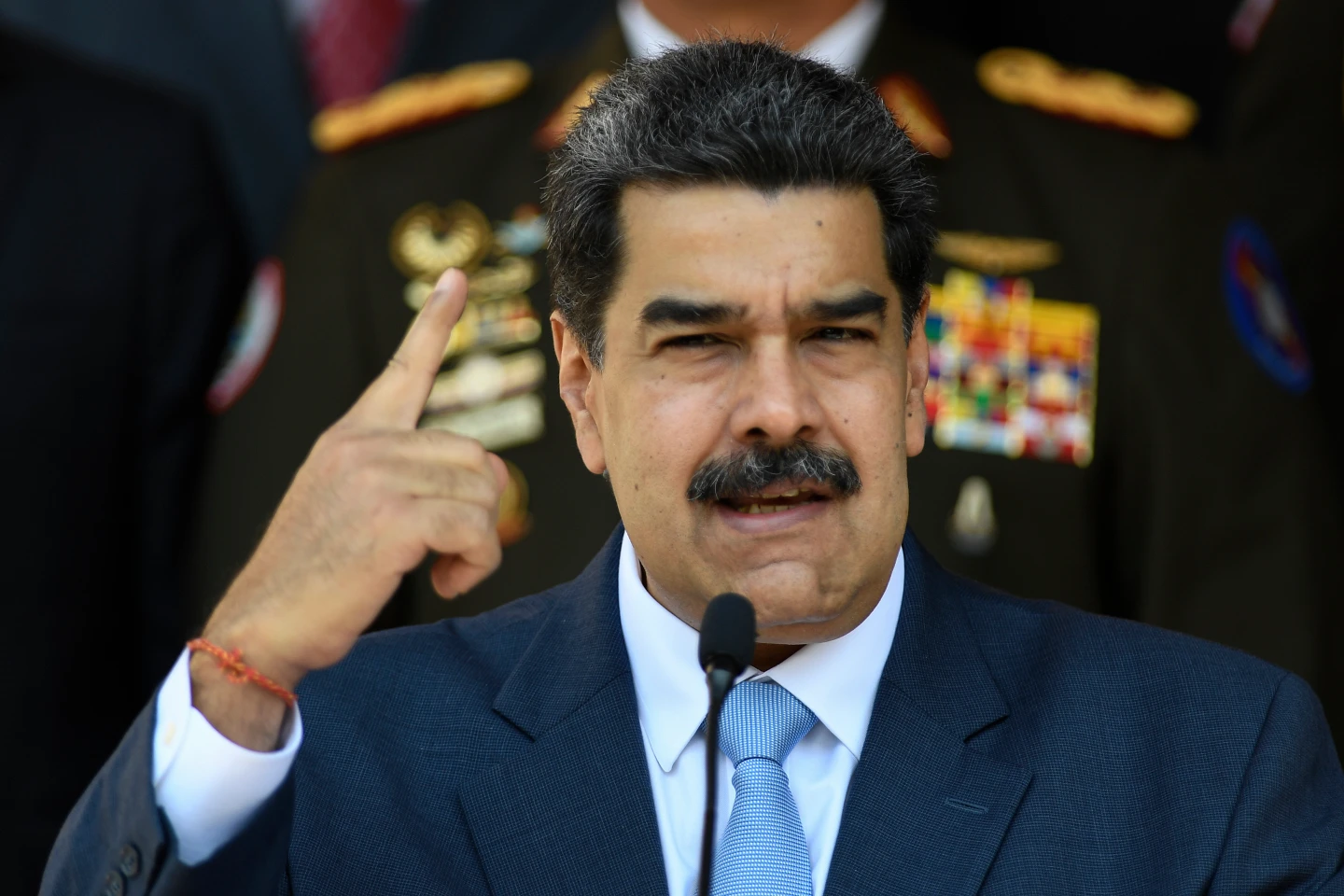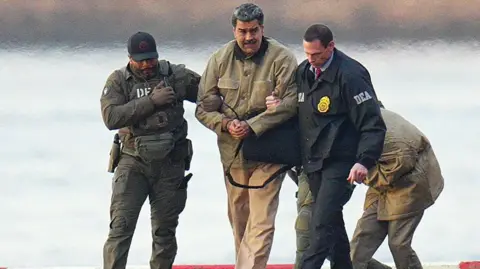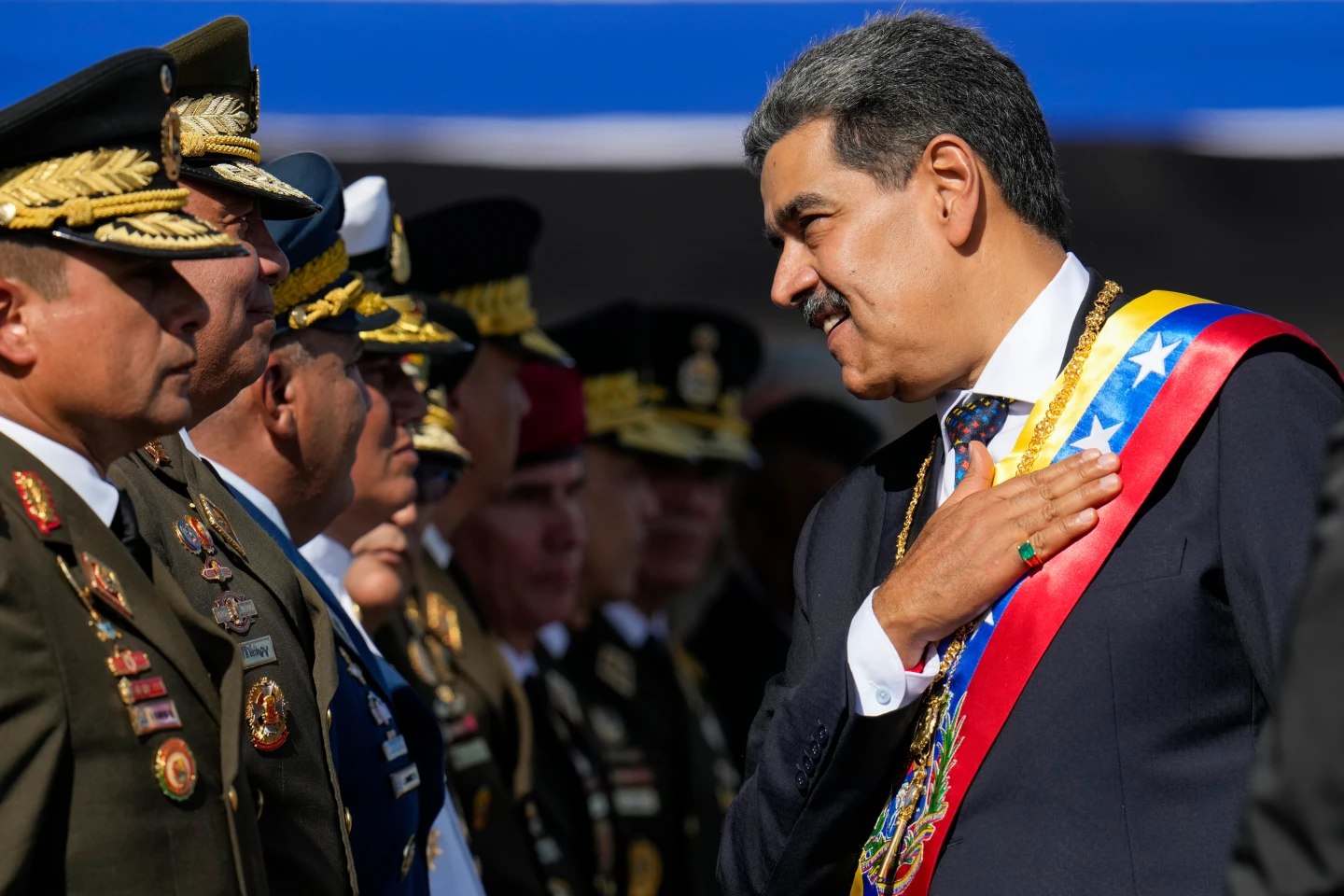
NEW YORK – Former Venezuelan President Nicolás Maduro is scheduled to present himself in an American courtroom for the first time on Monday. He faces serious drug trafficking charges previously cited by the Trump administration as justification for his capture and extradition to the United States.
Maduro, along with his wife, will appear before a judge for what is expected to be a brief legal process that marks the beginning of a complex and potentially prolonged legal struggle regarding his prosecution in the U.S.
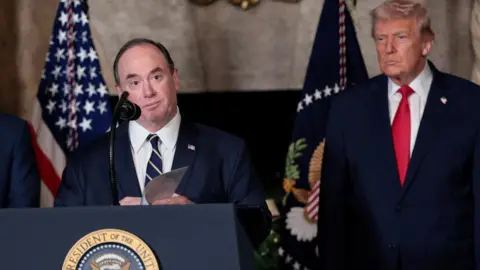
The couple will be transported from a Brooklyn detention center to a courthouse in Manhattan, located close to where President Donald Trump was found guilty of business-related offenses in 2024.
As a defendant in the U.S. legal system, Maduro will possess the same rights as any individual accused of a crime, including the opportunity for a trial by a jury composed of New Yorkers. Nevertheless, his situation is unique due to the nature of his claims to immunity as a sovereign leader.
Maduro’s legal representation is prepared to challenge the validity of his arrest, arguing his status as a head of state grants him immunity against prosecution.
This assertion brings to mind the defense utilized by Manuel Noriega, the former Panamanian dictator captured during a U.S. military operation in the 1990s, but the U.S. has not recognized Maduro’s legitimacy, especially following a contested 2024 election.
Delcy Rodríguez, Venezuela's interim president, has publicly demanded the return of Maduro, emphasizing that he long denied ties to narcotics trafficking. However, she cautiously opened the door for constructive dialogue with U.S. officials, hinting at potential diplomatic engagement.
Maduro and Rodríguez's remarks reflect shifting dynamics in a region grappling with the implications of U.S. foreign policy and its consequences in Latin America.
Before his apprehension, Maduro and his supporters claimed that American antagonism stemmed from a desire to exploit Venezuela’s extensive oil and mineral reserves. However, the apprehension and trials that lie ahead for Maduro will test both his legal strategies and the diplomatic waters between the U.S. and Venezuela.
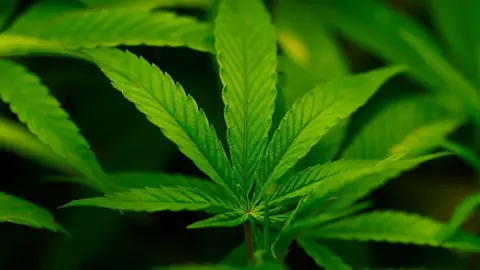
The indictment filed against Maduro accused him of collaborating with drug trafficking organizations to smuggle thousands of tons of cocaine into the United States. If convicted, he faces life imprisonment.
As this case unfolds, it remains uncertain whether Maduro has yet secured a legal representative within the U.S., as he and his wife have operated under U.S. sanctions for many years.