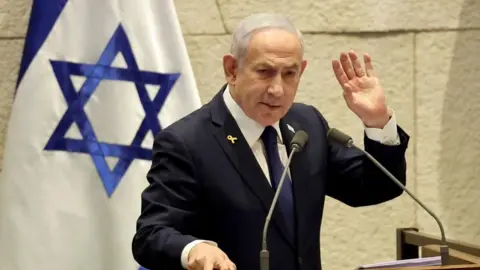
Israeli Prime Minister Benjamin Netanyahu has requested a pardon from President Isaac Herzog in light of the ongoing corruption cases he faces. The president's office indicated that before making a decision, Herzog would consult with justice officials regarding the request, which could have profound implications for the nation.
Netanyahu has been embroiled in legal battles for over five years, facing allegations of bribery, fraud, and breach of trust across three separate cases. He has consistently denied any wrongdoing, asserting that the trial is politically motivated.
In a recent video message, Netanyahu acknowledged his initial preference to let the judicial process reach its conclusion but claimed that the national interest necessitated a different path. He believes that a pardon could facilitate national reconciliation, which he argues is urgently needed.
However, the request has been met with skepticism from the opposition. Leaders have insisted that to be granted a pardon, Netanyahu must first admit guilt and reflect a commitment to leaving political life. Prominent figures have gone on record to state that seeking a pardon without remorse undermines the integrity of the democratic process.
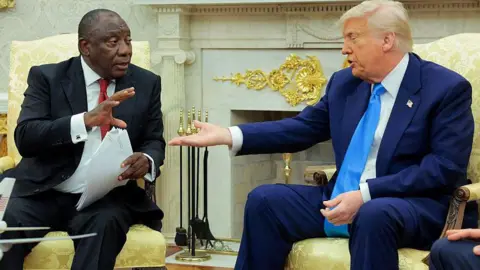
Internationally, support for Netanyahu's pardon has been voiced, most notably by former US President Donald Trump. In light of this, Herzog's office released both Netanyahu's formal request and accompanying letters, stressing the importance of transparency surrounding the decision.
Since his legal troubles began, Netanyahu's support among his right-wing Likud party and followers has remained intact, with many advocating for his pardon. However, much of the Israeli public—especially those leaning politically left—view such a move as detrimental to the country's legal and democratic standards.
Amid this situation, ongoing public protests about judicial reforms in Israel further complicate the political climate, demonstrating the deep divisions within Israeli society exacerbated by Netanyahu’s legal challenges. The outcome of the pardon request may also shed light on how Israel navigates the complex interplay of law, politics, and public sentiment.