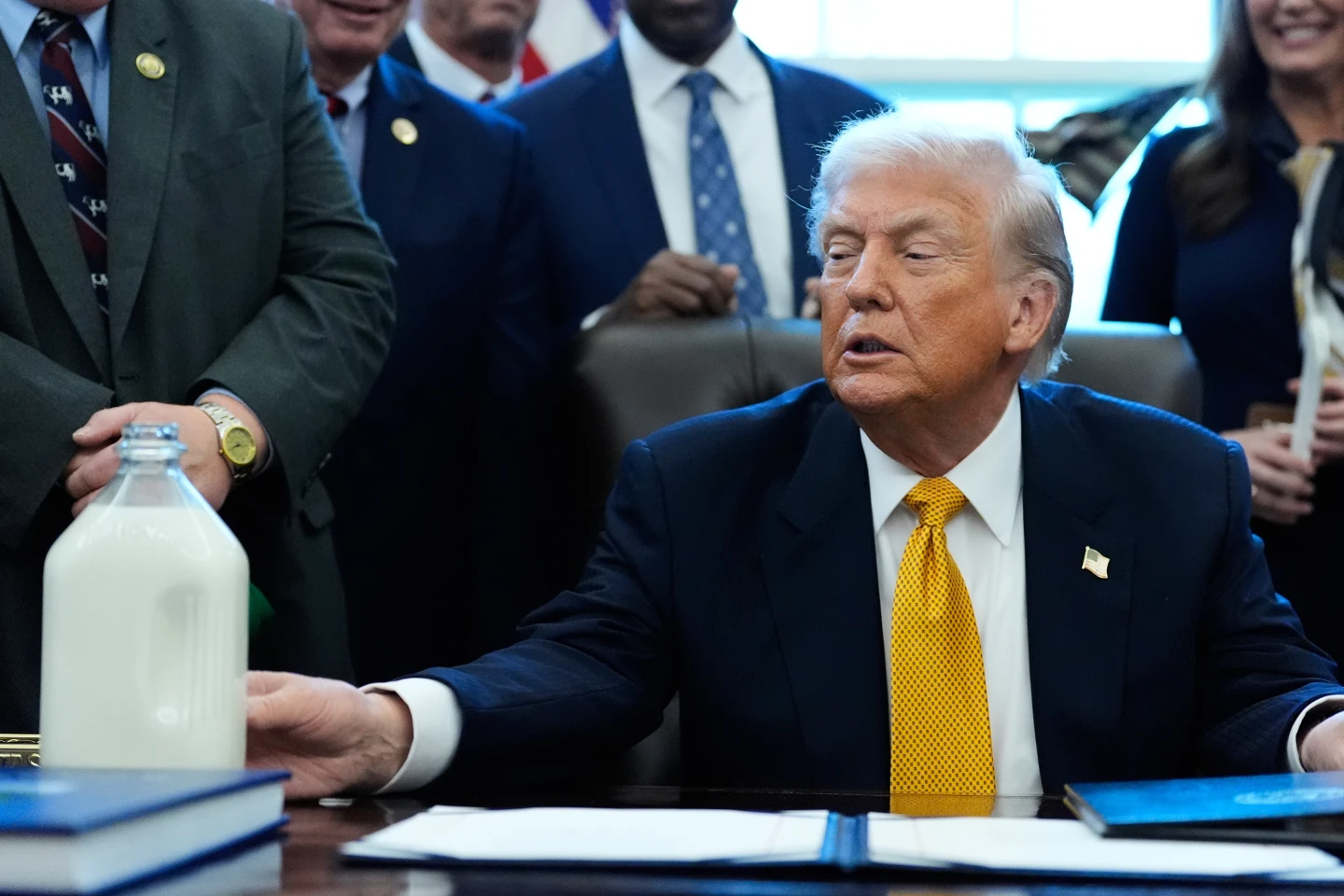
On the face of it, the announcement of phase two of President Donald Trump's peace plan for Gaza would seem like progress.
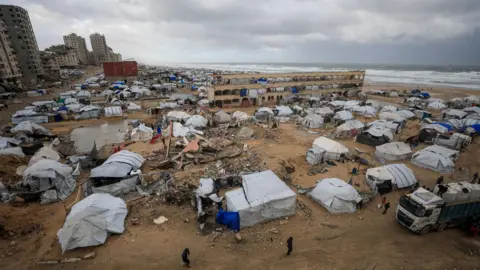
However, there remains a huge lack of clarity and detail about the future of the strip and the 2.1 million Palestinians who live there, with numerous pitfalls ahead.
Trump's plan demands Hamas, alongside other groups in Gaza, to disarm, but Hamas has adamantly refused to relinquish its weapons, which it views as essential for resisting Israel's longstanding military occupation. This could foster further conflict, particularly among hardline elements of the Israeli government eager to escalate military action.
Although Hamas has suffered military setbacks, U.S. intelligence suggests the group has likely increased its recruitment within Gaza. The fragile ceasefire, in place since October, has seen accusations of violations from both sides, resulting in further casualties.
Compounding these issues are uncertainties regarding Israel's prospective military withdrawal. Israeli officials emphasize a need to maintain a strong presence, suggesting future disagreements over how far Israeli forces will pull back.
Governance in Gaza presents another complex challenge. Questions about who will oversee the region post-Hamas, considered a terrorist organization by many, complicate the situation. Plans to introduce an International Stabilization Force have yet to materialize, as no countries have committed to such an initiative due to concerns among Palestinians about foreign troops.
Under Trump's plan, Gaza could be managed by a tiered governance system, led at the lowest level by a technocratic government made of local civil society figures, with oversight from an Executive Committee composed of international figures, including former British Prime Minister Tony Blair.
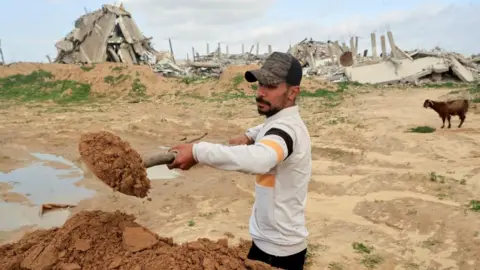
Many Palestinians oppose perceived foreign interference, viewing it as a form of colonialism. Meanwhile, the dire humanitarian crisis continues, with more than 450 casualties reported since the ceasefire, severe winter weather leading to homelessness, and widespread educational disruptions.
Despite the notion of progress signified by the peace plan's second phase, many reasons for skepticism remain prevalent as the future of Gaza hangs in the balance.