In brief
The announcement of phase two of Trump's Gaza peace plan raises questions about disarmament among Hamas and future governance in a region still recovering from conflict. Experts note that the lack of clarity and ongoing humanitarian crises present formidable obstacles to lasting peace.
On the face of it, the announcement of phase two of President Donald Trump's peace plan for Gaza appears to signal progress. However, the future of the Gaza Strip and its 2.1 million residents remains shrouded in uncertainty.
One key requirement of Trump's plan is that Hamas and other groups agree to disarm. US Special Envoy to the Middle East, Steve Witkoff, warned that failure to comply would result in 'serious consequences.' Nonetheless, Hamas has consistently refused to disarm, viewing its weapons as essential to resistance against long-standing Israeli occupation.
This stance has led to stirrings within Israeli Prime Minister Benjamin Netanyahu's far-right government, eager to consider escalating military action. Reports indicate that despite suffering military setbacks, Hamas may have even grown its ranks following losses incurred during the ongoing conflict.
The ceasefire established since October is teetering as both sides accuse one another of violations. Tragically, more than 450 Palestinians have reportedly died from Israeli strikes since its implementation. Conversely, Israeli military sources cite casualties among their soldiers as a result of Palestinian attacks.
Furthermore, there is considerable ambiguity surrounding Israel's military presence in Gaza. As Israeli officials emphasize the need for a robust security posture, the discussions about withdrawing forces from the strip remain contentious.
Issues of governance complicate the landscape further. With Hamas's absence from the new governing body, the question arises: who will provide essential services and security? The prospect of an International Stabilization Force, including participants like Egypt, Turkey, and Qatar, has yet to come to fruition, with potential contributors hesitant to intervene.
Trump's peace plan envisages multiple governance levels, with a proposed technocratic government emerging within Gaza, as confirmed by recently named members. However, such administrative shifts may be perceived as neocolonialism, particularly if foreign figures are seen as steering the region's future.
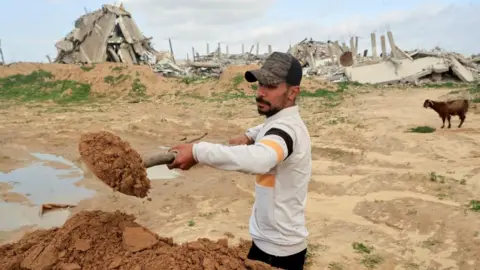
As the humanitarian situation continues to deteriorate, including severe weather conditions leading to flooding and extensive damage, the plight of Gazan residents raises grave concerns. Hundreds of thousands are still homeless, and many children remain deprived of education.
While the initiation of phase two of Trump's plan might herald change, substantial challenges lay ahead, casting significant doubt on the prospects for peace in the region.