In brief
Amid rising tensions over Greenland's future, US Vice President JD Vance leads a critical summit with Danish and Greenlandic officials. The discussions revolve around Greenland's sovereignty and strategic importance, heavily influenced by Donald Trump's recent statements regarding potential US acquisition of the island. As Greenlanders express their desire for independence, the outcome of this summit could have enduring consequences for NATO, US-European relations, and the broader Arctic region.
It's crunch time. The US Vice President, JD Vance, is hosting the Danish and Greenlandic foreign ministers, as well as their US counterpart, Marco Rubio, in the White House on Wednesday.
The focus of the talks: the future of the world's biggest island, Greenland.
A large digital news ticker tape runs above the snow-covered shopping mall in Nuuk, Greenland's capital, constantly flashing the words Trump, Greenland, and sovereignty in stark red letters.
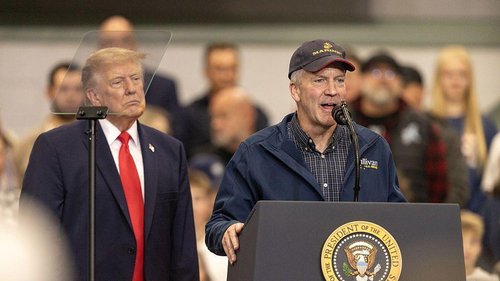
Donald Trump declared his interest in acquiring Greenland, raising concerns among locals who feel their territory is up for negotiation.
The anxious countdown to the Washington meeting has felt like years for many Greenlanders. One resident, Amelie Zeeb, urges Trump to listen to the islanders, saying, We are not for sale. Our country is not for sale. Inuit artist Sivnîssoq Rask echoes this sentiment, emphasizing the importance of managing their land independently.
Greenland, a semi-autonomous territory of Denmark, now finds itself in the crosshairs of military and economic interests from the US amid concerns of intensified global competition in the Arctic—particularly from Russia and China.
Denmark's Prime Minister, Mette Frederiksen, has warned that any coercive attempts by the US would signal a drastic shift in transatlantic relations, potentially ending cooperation under NATO.
The summit aims to address military security in the Arctic, with proposals for troop deployments and enhanced surveillance capabilities to counter perceived threats. However, many observers doubt the US's commitment to protect Greenland's sovereignty, with Trump prioritizing US territorial expansion over cooperative security.
With up to 85% of Greenlanders opposed to US ownership, the stakes are high not only for Greenland but for international relations in this pivotal region. As the summit approaches, the world watches to see how this geopolitical drama unfolds.