In brief
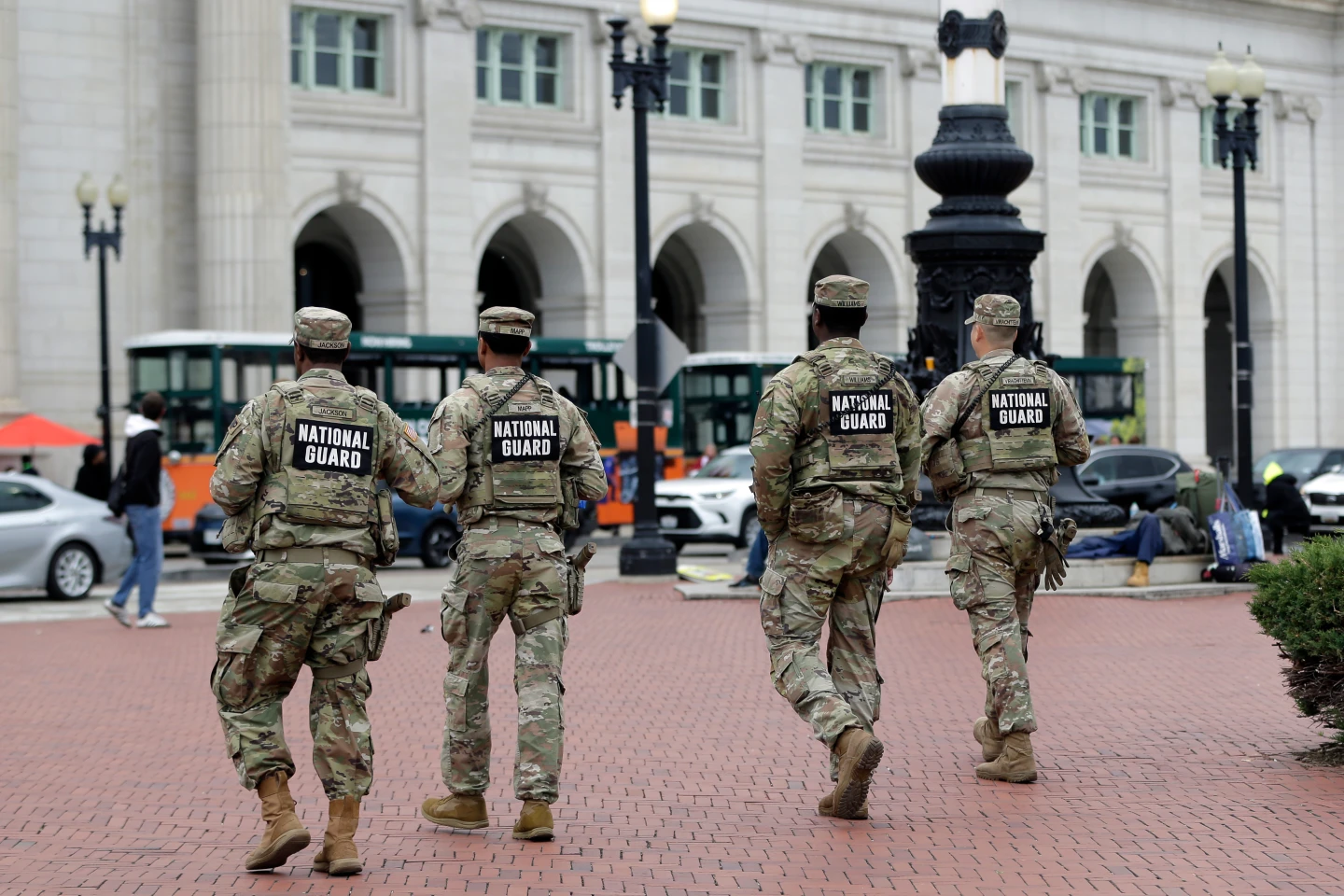
In a move that reflects a strategic expansion of military capabilities, the National Guard has been mandated to develop quick reaction forces in each state and U.S. territory. These specialized units, trained in crowd control and non-lethal methods, must be operational by January 2026. This initiative aligns with the broader vision of the Trump administration for a proactive military role in civil order and incident response.
WASHINGTON (AP) — In a significant shift in responding to civil unrest, military leaders have ordered the National Guard across all states to establish a 'quick reaction force' capable of immediate deployment to civil disturbances. This new directive signals a broader intention in the Trump administration to utilize military resources domestically more effectively.
A series of memos has been distributed to National Guard units, training troops in specialized skills for crowd management and the use of non-lethal weapons such as batons and pepper spray. Aimed to ensure readiness, these quick reaction teams are expected to be operational by January 2026.
Major Generals noted that while the National Guard has historically been deployed to handle natural disasters, these new forces are being prepared specifically for civil unrest scenarios. The expansion of training reflects a more aggressive posture towards maintaining order amidst civil disturbances, indicating a shift in traditional military roles.
The memos highlight a requirement that each state maintain approximately 500 troops in these specialized units, which collectively would number more than 23,000. Washington D.C. is also directed to maintain an active military police battalion.
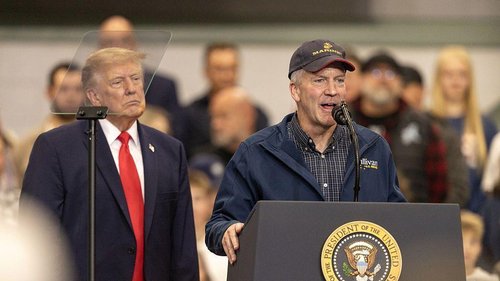
This initiative aligns with President Trump’s policies, which emphasize a more muscular military presence in response to crime and illegal immigration. This proactive strategy has repeatedly encountered legal challenges, illustrating the contentious nature of military involvement in civilian affairs.
Defense Secretary Pete Hegseth has indicated that multiple layers of National Guard response forces will bolster the readiness of these units while adhering to constitutional and legal guidelines. Each unit will be expected to update leadership monthly on their progress toward readiness.
As part of this initiative, units will also receive equipment and additional training to navigate the complexities of domestic disturbances effectively.