In light of recent geopolitical threats, many European nations are reconsidering their military recruitment strategies. The war in Ukraine has heightened concerns over national security, prompting some NATO members to contemplate or reinstate military service.
Nine NATO countries, including Denmark, Estonia, and Finland, currently enforce conscription, requiring eligible citizens to undergo military training. Meanwhile, several countries are developing voluntary military programs aimed at increasing their defense capabilities.
Conscription and Voluntary Service Across Europe
Countries like Turkey mandate military service for men aged 20 to 41, while Norway conscripts both genders. Croatia plans to reintroduce conscription in 2024, focusing on young men for basic military training.
Conversely, the United Kingdom relies on a professional military, permitting individuals as young as 16 to enlist with parental consent, unique among NATO allies.
Shifts in Recruitment Strategies
This month, Belgium's defense ministry initiated outreach to 17-year-olds for a voluntary military service program offering substantial monthly compensation. The Netherlands also launched a voluntary program in 2023. Poland is actively increasing military training opportunities for its citizens, while Bulgaria and Romania prepare to introduce similar measures.
Germany's Ambitious Plans
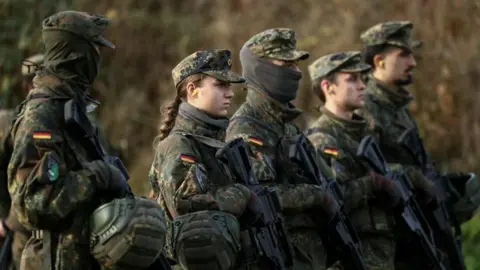
Germany, which abolished conscription in 2011, has proposed new policies for voluntary military service, with the possibility of reinstating mandatory service if volunteer numbers are insufficient. The country aims to expand its military force significantly in the coming years.
Public Reception and Future Outlook
Public reception to these military service changes varies across Europe. Protests have arisen in Germany, where a majority of young people oppose the idea of compulsory service. Meanwhile, France is introducing a new voluntary service initiative, with broad public support.
Overall, Europe's response to increased military threats is characterized by a dual approach of bolstering professional forces and, where necessary, reintroducing conscription, a significant shift from post-Cold War policies.