MIAMI (AP) — A U.S. Army Reserve lawyer detailed as a federal immigration judge has been fired barely a month into the job after granting asylum at a high rate out of step with the Trump administration’s mass deportation goals, The Associated Press has learned.
Christopher Day began hearing cases in late October as a temporary judge at the immigration court in Annandale, Virginia. He was fired around Dec. 2, the National Association of Immigration Judges confirmed.
It’s unclear why Day was fired. Day did not comment when contacted by the AP, and a Justice Department spokeswoman declined to discuss personnel matters.
But federal data from November shows he ruled on asylum cases in ways at odds with the Trump administration’s stated goals.
Of the 11 cases he concluded in November, he granted asylum or some other type of relief allowing the migrant to remain in the United States a total of six times, according to federal data analyzed by a San Francisco-based nonprofit.
Such favorable outcomes for migrants have become increasingly rare as the Trump administration seeks to slash a massive backlog of 3.8 million asylum cases by radically overhauling the nation’s 75 immigration courts.
As part of that drive, the Trump administration has fired almost 100 judges viewed as too liberal and over the summer eased rules allowing any attorney, regardless of their legal background, to apply to become what recent recruitment ads refer to as a “Deportation Judge.”
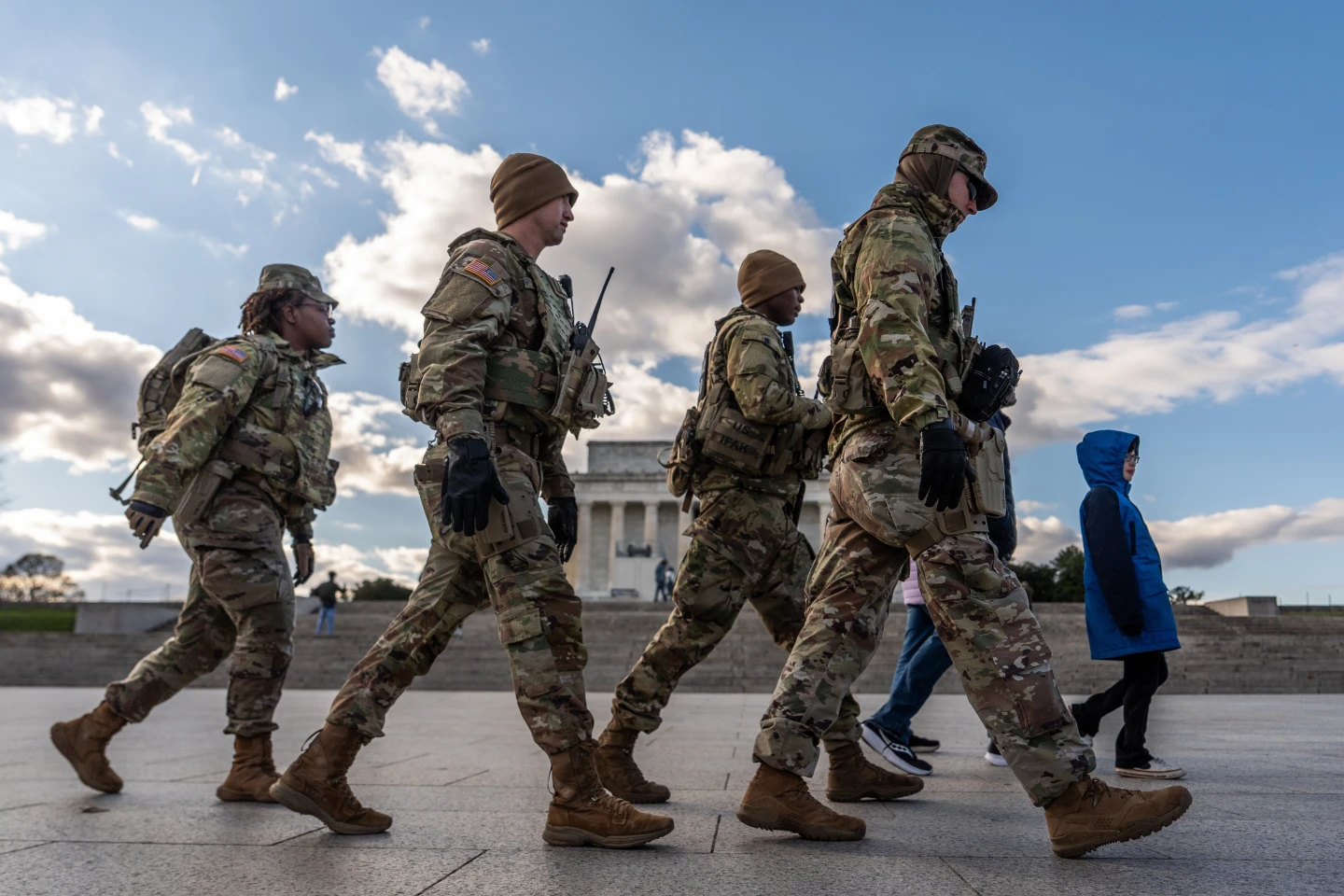
In response, Defense Secretary Pete Hegseth in September approved sending up to 600 military lawyers to hear asylum cases. The goal, migrant advocacy groups say, is to redefine a judge’s traditional duties as a fair, independent arbiter of asylum claims into something akin to a rubber stamp in a robe for the White House’s mass deportation goals.
The American Immigration Lawyers Association has decried the influx of military officers lacking expertise in immigration law, likening them to cardiologists attempting to do a hip replacement. But Pentagon and White House officials have defended the move, saying that a campaign to rule on pending asylum claims was something that all federal workers — as well as migrants sometimes in limbo for years — should rally behind.
So far, only 30 members of the military have been detailed to the immigration courts and for the most part appear to have lived up to the administration’s expectations. Nine out of every 10 migrants whose asylum cases were heard by such judges in November were either ordered removed or requested to self-deport, according to federal data. Overall, the military judges ordered removal 78% of the time compared to 63% for all other judges.
But those like Day, whose rulings countered that trend, are especially vulnerable if it is determined they violated their military duties, said a retired immigration judge.
“It is hard to imagine someone being fired so quickly, after five weeks on the bench, unless it was for ideological reasons,” said the former head of the National Association of Immigration Judges. “It’s especially unfair to military judges because they don’t have the same civil service protections and could face severe consequences for failing in their assignment.”
The process can be the punishment,” said a law professor who helps provide counsel to military personnel who believe they are being asked to carry out illegal orders.
A graduate of American University law school, Day has held multiple jobs in the federal government over the past two decades while simultaneously serving as a lieutenant colonel in the U.S. Army Reserve’s Judge Advocate General’s Corps. Unlike federal judges, who have lifetime tenure, immigration judges are employees of the Justice Department, which runs immigration courts, and can be fired by the attorney general with fewer restraints.