In brief
From 2010 onwards, satellite data show that mangrove cover worldwide has gained more hectares than it has lost, a reversal that hinges on natural regeneration and stronger conservation measures.
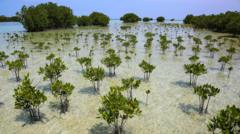
Marine forests – mangroves – that line coastlines around the world are turning a new leaf. A satellite‑guided study published this week found that since 2010, new mangrove growth outpaced losses, reversing a 30‑year decline that had devastated ecosystems and millions of people.
"From 2010 we see that the world has gained more mangrove than it has lost," said lead author Dr Zhen Zhang of Tulane University. The push behind the rebound is two‑fold: stricter protection laws and a collective, climate‑conscious public response triggered by disasters such as the 2004 Indian Ocean tsunami and Cyclone Nargis in 2008.
Scientists noted that mangrove ecosystems are highly self‑healing. Once human pressure is eased, their roots and seed banks allow new trees to sprout rapidly. Satellite imagery from the Landsat programme, which can detect canopy changes with high fidelity, revealed up to 17 % more new growth than earlier surveys suggested.
The study quantified a dramatic change in the world’s mangrove footprint. Between the 1980s and 2010, an area the size of Jamaica (12,000 km²) was lost. Since then, net losses have fallen to just 849 km² (328 mi²), while closed‑canopy mangroves – those richest in carbon – have expanded by roughly 20 %.
Beyond protection, the research highlights an unexpected benefit of upstream activities: nutrient runoff from deforested soils can fertilise new mangroves that sprout along river mouths, especially in Brazil. However, this ‘fertilisation’ often comes at the cost of upstream ecosystems, raising concerns about long‑term ecological trade‑offs.
Still, the global trend is encouraging. "It shows that nature can recover if we reduce our impact," said Dr Pete Bunting of Aberystwyth University. Still, he cautioned that pollution, notably oil spills in the Niger Delta, remains a serious threat to mangrove health.
The resilience of mangroves also has a broader climate story. They can store up to five times more carbon dioxide than terrestrial forests, a fact that underscores their role as natural climate allies. Additionally, their tangled roots slow waves and protect shorelines from storms and tsunamis.
The study’s authors celebrate the positive trajectory but call for continued vigilance, especially against rising temperatures and climate‑driven weather extremes that can still devastate mangrove habitats.
For more on how mangroves are shaping the planet’s climate future, check the full research paper and stay tuned to our Future Earth newsletter.