In brief
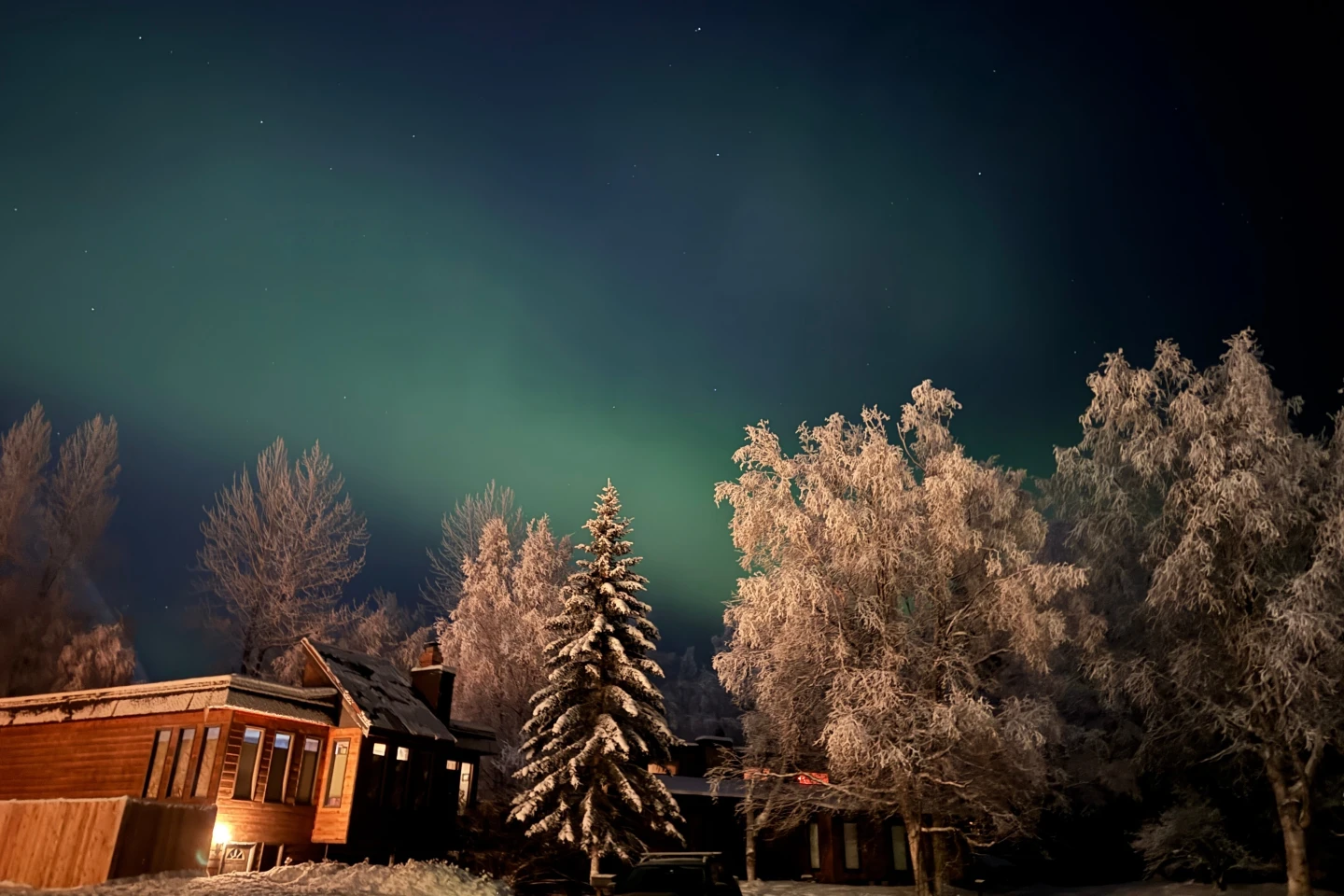
On Monday night, the aurora borealis may light up the skies across Canada and parts of the northern U.S., aided by a substantial disturbance in Earth’s magnetic field. The geomagnetic storm, which is predicted to last until Tuesday, could disrupt satellite systems and GPS services. Such intensity hasn't been recorded in over 20 years, prompting excitement and concern as past solar storms have allowed vibrant auroras to stretch to southern states.
JUNEAU, Alaska (AP) — Prepare for a celestial show as the aurora borealis may become visible across much of Canada and the northern tier of United States states — possibly even reaching further southern areas — on Monday night. This stunning phenomenon comes on the heels of a significant disturbance in Earth's magnetic field, as reported by the National Oceanic and Atmospheric Administration’s Space Weather Prediction Center.Shawn Dahl, the service coordinator at the center, noted that this occurrence coincides with powerful geomagnetic and solar radiation storms. While these storms can lead to breathtaking northern lights, they also pose risks, such as disrupting satellite operations and GPS communications, according to the U.S. Geological Survey.Dahl mentioned that the storm's intensity is not expected to decline until sometime Tuesday. Past solar storms in November had previously sent vibrant auroras as far south as Kansas, Colorado, and Texas, enchanting observers in places like Hungary and the United Kingdom.Though solar radiation storms can disrupt space operations and certain communication systems, Dahl reassured that astronauts aboard the International Space Station are currently not at risk. He emphasized that the strength of this storm has not been seen in over two decades, making it a noteworthy event for skywatchers and space enthusiasts alike.