In brief
In a crucial diplomatic move, UK Prime Minister Sir Keir Starmer visits Beijing, aiming to strengthen ties and foster trade relations between the UK and China. This visit comes at a time of shifting geopolitical alliances and aims to rejuvenate a relationship that had cooled in recent years. Analysts discuss the implications for both nations as they explore potential economic partnerships amidst global tensions.
Beijing is not always the most welcoming place in winter.
Frigid air blows in from the north, blast-freezing the city's lakes and rivers, and only the hardiest souls would dare to plunge into the icy water.
And yet, in the last two months, leaders from around the world have accepted invitations to the Chinese capital, with a flurry of visits from France, South Korea, Ireland, Canada, and Finland. The German Chancellor is also scheduled to visit next month.
Amidst this influx of world leaders, Sir Keir Starmer, the first British prime minister to visit China in eight years, is set to make his mark. A warm welcome is anticipated, especially following the UK's recent approval of plans for a Chinese mega-embassy in London. Officials in China had previously indicated that they would not announce the prime minister's visit until this contentious issue was resolved.
Both nations seem ready to engage constructively, as dozens of new deals are poised to boost the UK's economy. According to Dr Yu Jie, a Senior Research Fellow at Chatham House, If the two sides could move ahead with a reasonable trading relationship, that is already an achievement. This visit raises questions about whether China perceives visits like Starmer's as part of a broader geopolitical strategy, and how closely it intends to align with the UK moving forward.
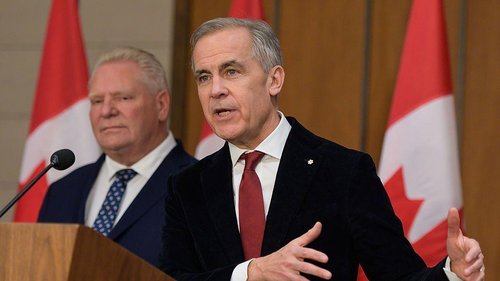
Starmer's trip is seen as part of a wider charm offensive by China to position itself as a stable partner on the global stage, contrasting with the unpredictable nature of US politics. Mark Carney, the Canadian prime minister who recently visited Beijing, exemplified this diplomacy by announcing a new strategic partnership with China.
However, Starmer faces a challenging environment. With ongoing concerns about national security, trade relationships, and the current global geopolitical climate, British analysts view this as a precarious time for strengthening ties with China.
Starmer has emphasized his intent not to choose between the US and China, hinting at a complex balancing act ahead. As China confidently asserts its economic power, the UK must navigate this relationship carefully, marked by a history of significant tensions.
Nevertheless, the potential benefits of fostering a robust trading relationship are significant. The UK exports around £45 billion of goods and services to China, making it the country's third-largest trading partner. As analysts ponder this visit's implications, both nations stand at a crossroads, eager to explore new opportunities while being cautious of historical frailties and existing challenges.