In brief
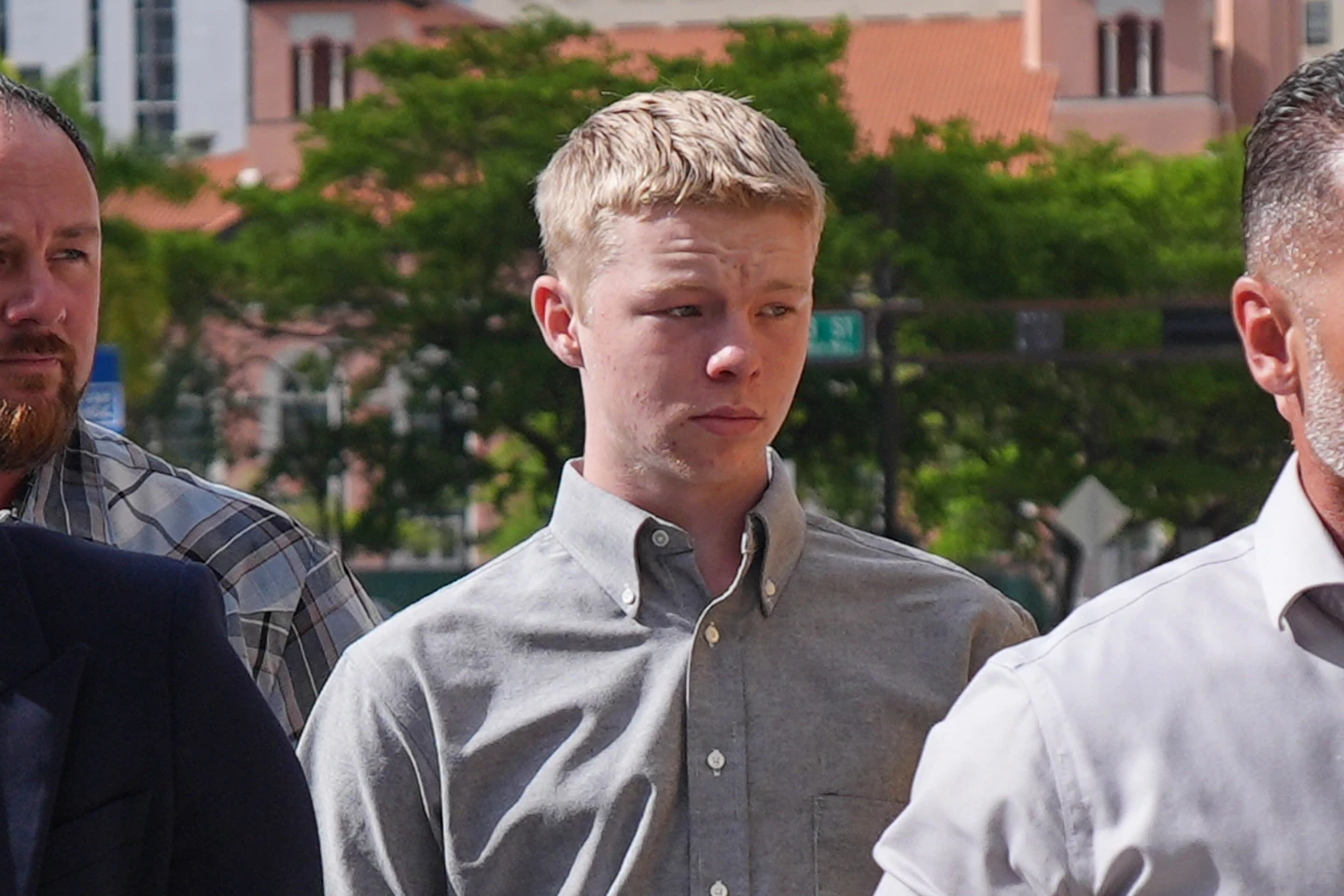
Hudson faces first‑degree murder and aggravated sexual abuse charges over the death of his 18‑year‑old stepsister Anna Kepner on a Carnival cruise. After an initial juvenile ruling, a federal magistrate ordered Hudson’s release with electronic monitoring. Prosecutors now request custody; the judge’s Wednesday hearing will decide his status amid statewide scrutiny of juvenile‑to‑adult transfers.
Miami — A federal judge will decide on Wednesday whether 16‑year‑old Timothy Hudson can remain free while awaiting trial over the murder of his 18‑year‑old stepsister, Anna Kepner, on a Carnival Cruise ship in November. Prosecutors are seeking to have Hudson held in custody, a request that follows his case being moved from juvenile to adult court.
Hudson was first arrested and charged as a juvenile after police discovered an alleged murder-fighting scenario on the Carnival Horizon. In February, U.S. Magistrate Judge Edwin Torres ruled that Hudson could stay with an uncle and be electronically monitored. That decision was overturned when the case was transferred to adult court, prompting prosecutors to file a motion to detain him until the trial concludes.
Hudson pleads not guilty to first‑degree murder and aggravated sexual abuse. Federal Florida public defenders have declined to comment. The case is unusual, as federal courts rarely prosecute minors for the most serious offenses.
On November 6, Anna Kepner, a high‑school cheerleader from Temple Christian School in Titusville, Florida, was found dead in a room aboard the Carnival Horizon. Her body was concealed under a bed, part of a room shared with Hudson and another teenager. A criminal complaint noted that the cause of death was mechanical asphyxia, a result of an external object or force preventing breathing.
Christopher Kepner, Anna’s father, released a statement stating the family is trusting “the justice system to pursue the truth with care and integrity.” The funeral was held in November; family members encouraged attendees to wear bright colors instead of black to honor Anna’s bright and beautiful soul.
In the broader context, the Miami court’s decision underscores how federal authorities are increasingly scrutinising juvenile defendants in high‑profile cases. Should Hudson remain free, his future life will hinge on the outcome of a trial scheduled for later this year. If detained, the case may participate in a growing debate over the balance between public safety and the rights of young defendants.
After the decision, observers will watch for potential appeals and the impact on the victim’s family and the legal precedent for juvenile‑to‑adult case transfers nationwide.
}