
In brief
Nigeria, home to the highest malaria-related deaths globally, has begun administering a new malaria vaccine, R21/Matrix-M, targeting vulnerable children aged 5 to 15 months.
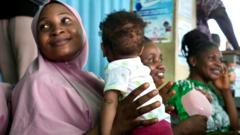
The rollout of the malaria vaccine began in Nigeria, the country with the world’s deadliest malaria crisis. Almost a third of global malaria deaths occur within its borders, prompting the introduction of the R21/Matrix-M vaccine, recently approved by the World Health Organization (WHO). This promising vaccine boasts a 75% effectiveness rate and is being distributed in child-friendly doses across Nigeria, starting in the heavily impacted states of Bayelsa and Kebbi. Happiness Idia-Wilson has the honor of being the first mother to vaccinate her 11-month-old son in Bayelsa state, motivated by a desire for protection against the disease. "I will tell mothers, and I will invite people [to be vaccinated]," she said, reflecting the determination to promote vaccination within her community. The state's health commissioner, Prof Seiyefa Brisibe, emphasized the efforts to conduct awareness campaigns in local dialects to ensure widespread understanding of the vaccine's importance. With Nigeria previously accounting for 27% of global malaria cases in 2022, the government and health officials are hopeful that this initiative could be a game changer. Dr. Walter Mulombo, WHO representative in Nigeria, noted the potential of the R21/Matrix-M vaccine combined with existing malaria prevention strategies like mosquito nets and insecticides to substantially reduce infection rates. Notably, children under five and pregnant women are particularly susceptible to malaria's devastating effects.Beyond the human cost, Nigeria faces an economic burden due to malaria, with estimates suggesting annual losses of $1.1 billion linked to health expenditures and decreased productivity. The vaccination program consists of three doses administered four weeks apart, followed by a booster after one year. The vaccine, developed by the renowned Jenner Institute at Oxford University, also began its deployment earlier this year in the Ivory Coast and the Democratic Republic of Congo.While other African nations like Ghana, Kenya, and Malawi have previously tested different malaria vaccines, Nigeria's introduction of R21/Matrix-M marks a critical moment in the fight against this relentless disease, offering hope for a malaria-free future on the continent.

