In brief
At a virtual emergency session in Addis Ababa on October 29, Africa's health ministers, Africa CDC and WHO urged greater readiness and solidarity amid a Bundibugyo Ebola outbreak that has surged past 10,000 confirmed cases in the Democratic Republic of Congo, Uganda, Kenya and Nigeria. African leaders highlighted gaps in medical supplies, cross‑border surveillance and the need for sustained regional cooperation to contain the disease. WHO and African health officials called for intensive containment and highlighted the significant death toll and the rapid spread of the epidemic.
On Wednesday, October 29, 2026, health ministers from Africa's leading nations convened an emergency virtual meeting in Addis Ababa with representatives from the Africa Centers for Disease Control and Prevention (Africa CDC) and the World Health Organization (WHO) to confront the fast‑growing Bundibugyo Ebola outbreak that now counts more than 10,000 confirmed cases across four West and Central African countries.
Africa CDC Director‑General Jean Kaseya opened the session, noting that the outbreak has evolved over the past five months from a national crisis to a continental health security challenge. "The main priority today in our continent is to stop Ebola," he said. He cited that confirmed cases had reached 10,172, with 4,932 deaths, a case‑fatality rate of 48.5 percent, and 2,727 patients already recovered.
"We are still facing an extremely serious and difficult outbreak," said WHO Director‑General Tedros Adhanom Ghebreyesus, delivering his message on behalf of the organization. "This outbreak in the DRC is not a single outbreak in a single place. It is many outbreaks across a vast and complex area, requiring a sustained response everywhere at the same time."
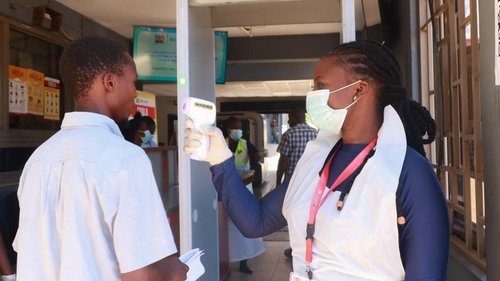
Patrick Amoth, Kenya’s Director‑General for Health, stressed the country’s comprehensive response, describing it as a "whole‑of‑government and whole‑of‑society approach". He pointed out that Kenya’s experience revealed persistent gaps across the continent, including health‑workforce infections, cross‑border spread bypassing surveillance and contact tracing, and reliance on donated medicines amid a shortage of licensed vaccines or specific therapeutics.
The minister also highlighted that authorities in Uganda, Kenya and Nigeria had taken deliberate measures early in the outbreak, underscoring the ability of African governments to manage outbreaks when detected promptly and met with rapid responses.
In related developments, reports indicate that Nigeria now has no active Ebola cases after the medical evacuation of the country’s first confirmed Bundibugyo case. However, the national health agency has warned that a 42‑day monitoring period must still be completed before formal declaration of an Ebola‑free status.
Collectively, the emergency gathering underscored a call for heightened containment readiness, deeper solidarity across the continent, and systematic improvement of medical supplies and cross‑border surveillance to halt the escalating outbreak.