In brief
Following the discovery of kites, drones and balloons launched from Gaza towards Israeli communities, Defence Minister Israel Katz warned of a “forceful” response. Multiple kites were found near Kibbutz Nahal Oz and other southern Israel sites, with Israeli military citing Hamas as the suspect but the group denying responsibility, claiming they were children’s toys. Katz equated kites to drones in terms of risk, promising zero tolerance. Meanwhile, Palestinian residents remain wary of renewed aerial bombings, with recent strikes in Gaza’s Nuseirat and al‑Zawayda camps claiming civilian casualties. The escalating military posture underscores the fragile ceasefire and the continuing humanitarian crisis in Gaza.
A series of kites, drones and balloons reportedly launched from Gaza into southern Israeli communities has prompted Defence Minister Israel Katz to vow a “forceful” military response. Katz told the press on Monday that the attacks would be met with increased air strikes and heightened security measures, warning that they risked further escalation in an area already under international scrutiny.
The kites were first spotted in the kibbutz of Nahal Oz, only 800 metres from the Gaza border. Local media reports identified four items between Friday and Saturday, with additional kites reported in other southern towns. Israeli military sources indicated the kites were likely test material for Hamas to provoke a reaction, though no explosives were attached. Katz characterised the situation as a “zero tolerance” stance, stating that a balloon would be treated like a kite and a kite like a drone, whether or not they carried explosives.
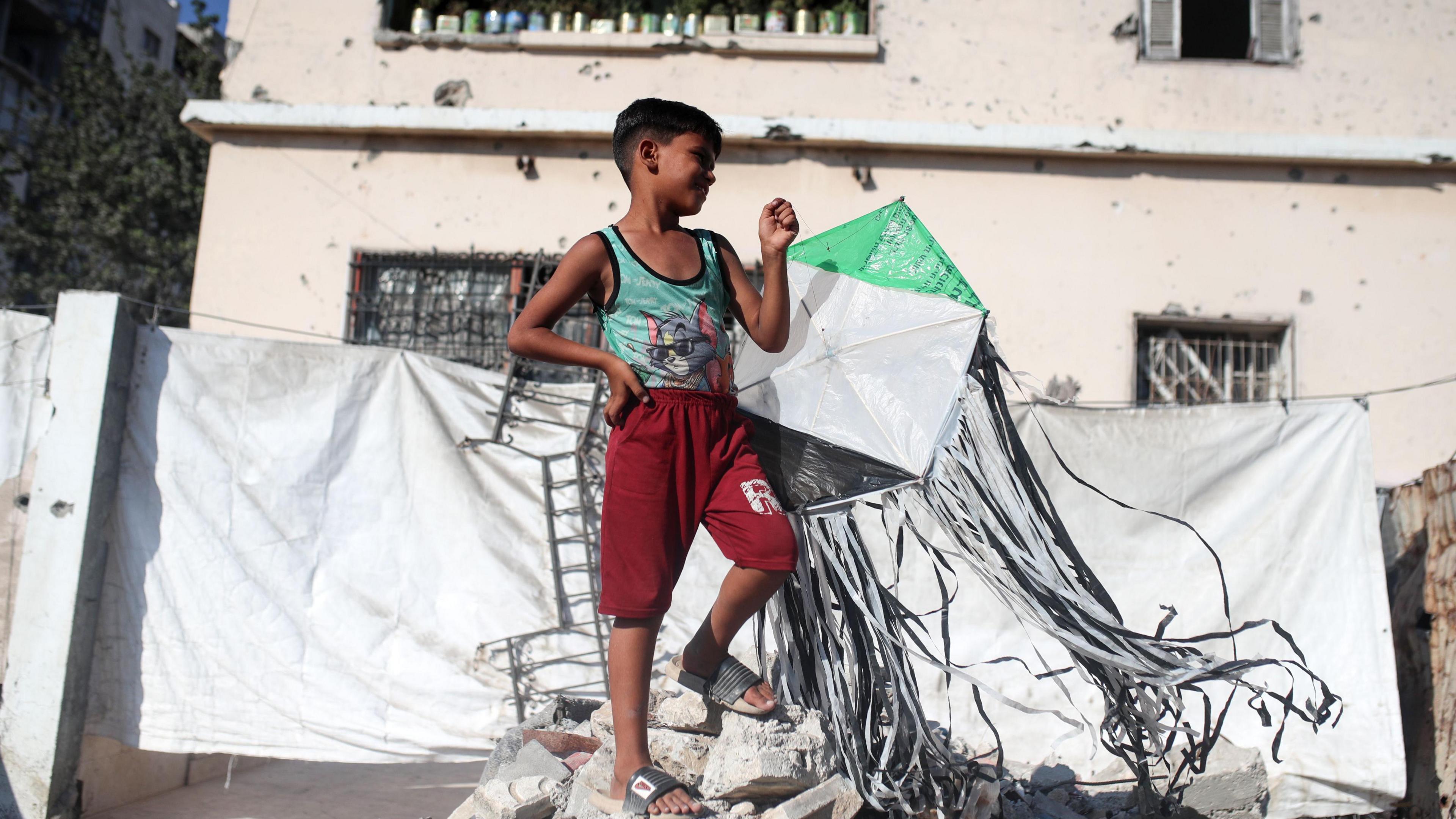
Hamas has denied any responsibility for the kites, asserting they were “children’s toys” from displacement camps. The group accused Israel of using these incidents as a pretext to justify ongoing air strikes after the ceasefire agreed in October. Residents of Nahal Oz issued a statement condemning security policy that they say does not account for civilian safety, while Palestinian officials have warned of renewed strikes that could destabilise the fragile peace.
Real‑time updates show that Israeli forces struck the Nuseirat refugee camp and the town of al‑Zawayda on Sunday, killing two civilians and harming seven others. The troops cited the elimination of a Hamas weapons manufacturing commander and claims of warning residents to evacuate. By Monday, a strike in Deir al-Balah reportedly killed Mohammed Abu Asad, a member of Hamas' elite Nukhba force, according to the Israeli military. These operations continue to raise concerns, with the broader conflict accounting for over 74,000 fatalities since July, including more than 1,200 since the ceasefire.
The escalating tension over the kites and the broader hostilities highlight the fragility of the current ceasefire and the dire humanitarian situation on the ground. As both sides navigate international scrutiny, the continued debate over whether the kites constitute a security threat will shape future responses for both Israel and Hamas. The metaverse‑integrated news platform will monitor real‑time updates and virtual interactions at key event locations for further insight into the evolving conflict.