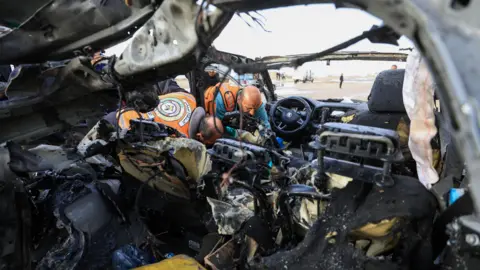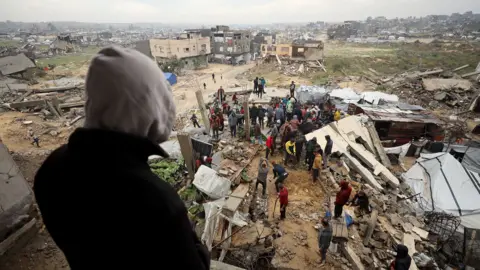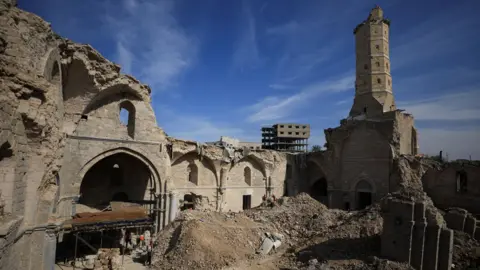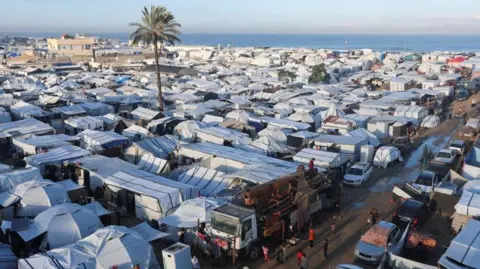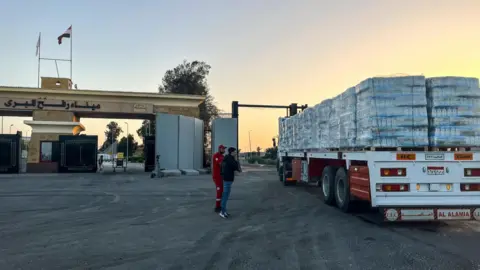
In northern Gaza City, escalating chaos is evident as residents grapple with severe food shortages and insecurity. A recent Israeli airstrike reportedly killed seven police officers who were attempting to restore order in a market, prompting unrest as citizens scoured the city for sustenance. The Israeli military has confirmed multiple airstrikes targeting alleged terrorist infrastructure, amidst rising tensions and violent confrontations due to inadequate access to aid.
Local doctors reported significant casualties, with at least 44 deaths recorded within a single day, including tragic occurrences in the Bureij refugee camp. Overlaying these tragedies is the harrowing image of desperate crowds in central Gaza, where individuals were shot as they attempted to breach a World Food Programme warehouse, desperately seeking food after weeks of blockades.
Disorder has become increasingly pervasive throughout Gaza, as residents navigate an environment rife with civil unrest and limited resources. Witnesses described overwhelming scenes at aid distribution centers in Rafah, where thousands rushed to receive packages of flour and food before the available supplies were exhausted.
Reports indicate that vulnerability is heightened for the elderly and women, who often struggle to access the aid being distributed primarily to able-bodied men. Concerns about fairness and organization of the distribution have arisen, with many leaving empty-handed, mirroring the frustrations conveyed by Abu Fawzi Faroukh, a local man who expressed deep disillusionment with the system.
While the Gaza Humanitarian Foundation (GHF) has committed to scaling operations and distributing food, criticisms from the UN underscore that their efforts remain inadequate for the overall population of 2.1 million. The foundation maintains that it does not engage in violent tactics in its distribution efforts, although conflicting reports draw attention to heightened tensions.
The situation exacerbates heightened humanitarian needs due to a total blockade imposed by Israel on March 2nd, which was shortly followed by intensified military operations. This ongoing conflict resulted from Hamas's cross-border offensive that left a devastating toll on both sides, causing significant casualties.
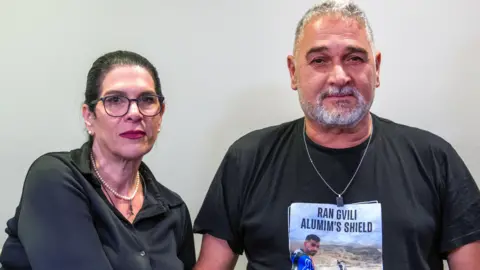
Calls for an immediate ceasefire have been echoed, as the plight of families with hostages weighs heavily on discussions involving US and Israeli authorities. Despite recent proposals for a truce, disagreements have surfaced, preventing a peaceful resolution. As Israel continues its military campaign, the civilians caught in the crossfire face increasingly desperate conditions.