In brief
India’s government has temporarily blocked Telegram in a bid to curb cheating linked to the National Eligibility cum Entrance Test (NEET‑UG) after the exam was scrubbed for alleged paper leaks. The National Testing Agency (NTA) says the app was used by fraud rings to share exam content, but rights groups argue the move penalises ordinary users and does little to stop leaks within the education system. While the ban is set to lift after the retest, it has drawn criticism for short‑circuiting legitimate study networks. The episode has sparked fresh protests as millions of students prepare for the 21 June retest.
India Slashes Telegram as NEET‑UG Exam Turmoil Intensifies
In a swift move aimed at preventing cheating, India’s Ministry of Electronics and Information Technology temporarily blocked the popular messaging app Telegram until the 22nd of June, the day after the rescheduled National Eligibility cum Entrance Test – Undergraduate (NEET‑UG) will be held.
The National Testing Agency (NTA), which administers NEET, welcomed the ban. It said the app had been utilised by organised “cheating rackets” to “defraud candidates”. The ministry also demanded that Telegram disable its message‑editing feature until 30 June, citing its use to “fabricate” evidence of paper leaks.
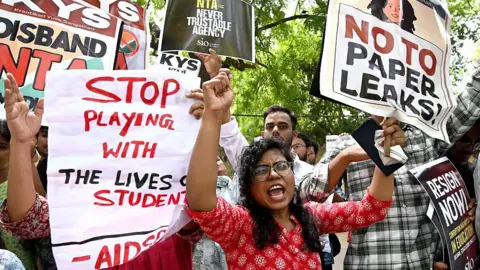
The ban comes after the original May 3 exam was cancelled following widespread allegations that the paper was leaked. Nearly 2.28 million students took the exam at 5,000 centres, but the NTA scrapped it within days, sparking protests that demanded the resignation of India’s federal education minister.
Internet Freedom Foundation (IFF) and other digital rights advocates have slammed the blocking as unconstitutional and a blunt “band‑aid” solution that punishes ordinary users. IFF warned that thousands of students rely on Telegram for study groups, doubt‑clearing forums and shared resources, and that the move would effectively punish them during the final days of NEET preparation.
The Indian Cyber Crime Coordination Centre reports that it has taken down a “substantial number of Telegram channels, groups and bots” that advertised fraud. Operators of several channels were reportedly demanding huge sums from candidates in exchange for nonexistent “exam papers”. The NTA said it regretted the inconvenience caused by the ban but stressed the need to curb cheating.
While the ban may lift after the retest, the controversy has reignited discussions about the integrity of India’s exam system. Fans of the platform cite the app’s importance for legitimate uses, raising questions about the balance between security and freedom of communication in times of crisis.
Key References:
Image of protestors (Getty Images)