In brief
'Chiraiya', a recent web series on JioHotstar, courageously explores the issue of marital rape in India, a topic that remains legally unrecognized. With its engaging narrative, the series sheds light on the experiences of women navigating oppressive social structures, triggering crucial discussions about consent and misogyny.
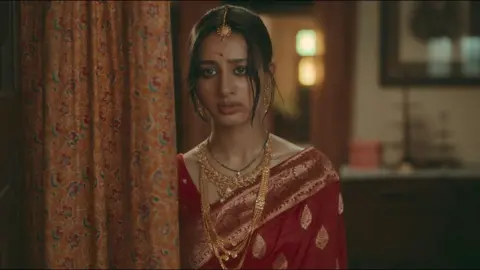
A new web series that confronts marital rape in India has put the spotlight on this grim topic in a country that has stubbornly refused to criminalise it. Chiraiya - the Hindi word for small birds - aired on JioHotstar in March. It has already drawn an audience of millions, making it one of the network's most popular Hindi shows in months.Praised by media critics for confronting a subject that is largely seen as taboo, it has sparked conversations on social media about consent and misogyny. At the same time, some commentators have described it as 'anti-men' and 'an attempt to undermine the sanctity of marriage'.Divy Nidhi Sharma, the show's scriptwriter, says the series follows two women, Kamlesh and Pooja. Kamlesh, played by Divya Dutta, is a middle-aged homemaker who firmly believes 'women should be interested in cooking and housework'. In contrast, Pooja, portrayed by Prasanna Bish, is educated, socially conscious, and speaks about gender equality.Their worlds collide when Pooja marries Arun – Kamlesh's brother-in-law, whom she has raised. Arun, initially seen as the perfect match, rapes Pooja on their wedding night. When confronted, he claims to have 'just taken what's mine', showcasing a troubling denial of accountability in a culture where marital rape is not recognized as a crime.Dutta emphasizes that the show is fundamentally about consent within marriage, a topic many women find difficult to discuss due to societal stigmas. As the series progresses, the characters navigate the complexities of their realities within India's patriarchal structures.Despite the criticisms, Sharma maintains that the aim is to foster dialogue around marital rape, urging society to acknowledge injustices faced by women in their homes. The characters are depicted with depth and nuance, suggesting that not all men are villains but rather reflect a misguided sense of entitlement embedded in societal norms.From its portrayal of women's struggles to the impact of cultural taboos, 'Chiraiya' has become a landmark discussion starter in India, emphasizing the need for awareness and change at the personal level as a starting point for wider societal transformation.