In brief
Hungary’s parliament voted to amend the 2021 Child Protection Law that prohibited the portrayal of homosexuality and transgenderism. The move was welcomed by LGBTQ activists and marked a step toward dismantling a broader legacy of the Fidesz government. EU officials already hinted at releasing €4.2 bn that had been frozen, while the new Tisza administration continues to navigate controversial reforms, including same‑sex marriage and trans‑name rights. Meanwhile, the outgoing Fidesz and Christian Democrats continue to resist further liberalization, insisting that no promotion of LGBTQ content should appear in schools or media.
Hungary’s parliament has voted to scrap a controversial child‑protection law, moving away from Viktor Orbán’s hard‑line stance on LGBTQ issues.
The 2021 law, introduced by the long‑ruling Fidesz party, outlawed the portrayal or promotion of homosexuality or transgenderism in education, media and public life. Its repeal was championed by LGBTQ activists who said the law had stigmatised “gay and transgender people” for five years.
The Tisza administration, which won the 2024 election, has been steadily reverse‑engineering a raft of Orbán‑era reforms – this vote was part of a package of amendments aimed at restoring a broader civil‑rights framework.
Minutes after the vote, the European Commission announced the release of €4.2bn that had been frozen on the last three years of the Fidesz government, a move seen as a thank‑you to Hungary for addressing EU‑level rule‑of‑law breaches. The decision also opened the door for Hungary’s readmission to Erasmus+ and Horizon Europe.
While the new government has soft‑talked on LGBTQ rights, it remains cautious. Prime Minister Péter Magyar has emphasised his commitment to children in state care but has avoided overt advocacy for same‑sex marriage, trans‑name changes or broader adoption rights for same‑sex couples – a stance the opposition accuses of betraying the community’s interests.
Fidesz and the Christian Democrats have lobbied against further liberalisation, arguing that “there is no place for the promotion of LGBTQ content in schools or the media.” The debate has highlighted a national split – between a new coalition that wants to dismantle a darker chapter and those who still cling to Orbán‑era conservativism.
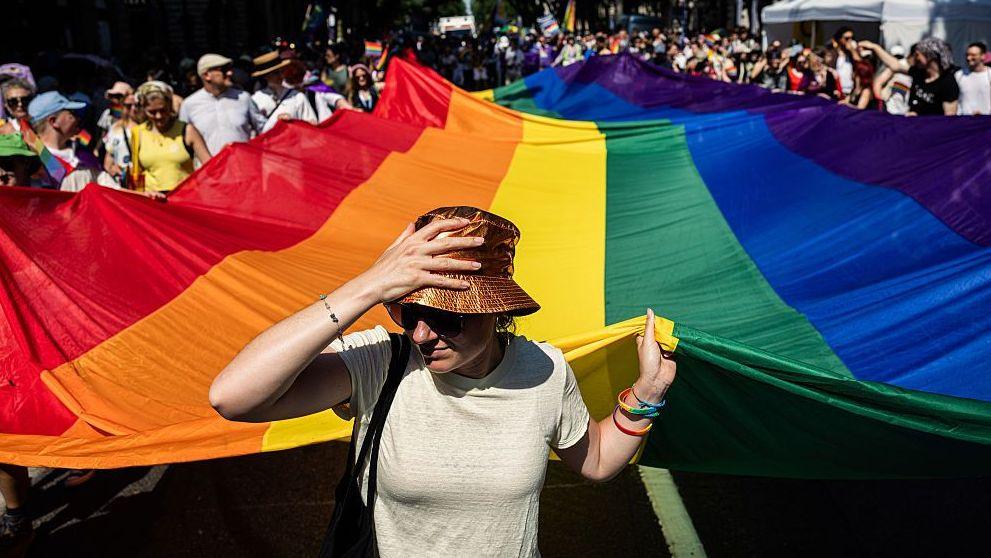
For context, the 2025 Budapest Pride march drew a quarter‑of‑a‑million participants despite a pre‑emptive ban, underscoring how the new legislation is expected to change the atmosphere of future protests and community visibility.