In brief
Prime Minister Péter Magyar’s Tisza party seized an opportunity to unseat President Tamás Sulyok, citing a ‘serious loss of confidence’. Sulyok signed the 17th constitutional amendment on the eve of its implementation, declaring the move a blow to democratic principles. The amendment abolishes the presidential office, removes the Constitutional Court head, and bars MPs who have served three terms from standing again, affecting many Fidesz deputies. Former Supreme Court head András Baka and opposition voices have highlighted a slide toward authoritarian governance since 2010. The resignation marks a dramatic shift in Hungary’s power structure following the 2026 election, raising concerns about the rule of law and constitutional stability.
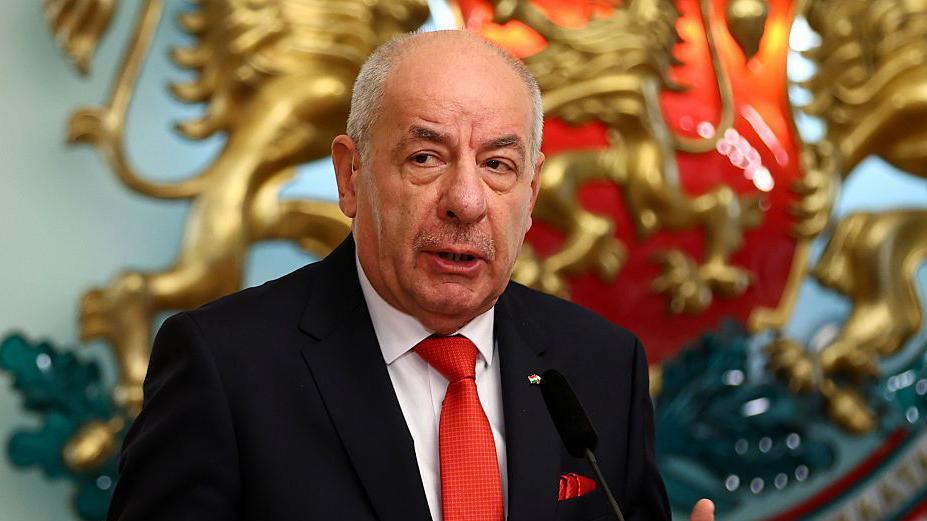
Hungarian President Tamás Sulyok has agreed to step down, signing a constitutional amendment that will end his presidency at midnight on Sunday.
Prime Minister Péter Magyar’s Tisza party pushed the law change through parliament, presenting it as a response to a “serious loss of confidence” in Sulyok. The amendment, the 17th to the constitution since the party’s landslide victory in April, not only removes the presidential office but also strips the head of the Constitutional Court and bars MPs with three terms from future service, affecting more than half of the current deputies from Viktor Orbán’s Fidesz party.
Sulyok had five days to sign the amendment or face an extended constitutional crisis and impeachment proceedings. He confirmed he would comply before the deadline, but in a statement accused Magyar’s government of violating the rule of law. “This marks a breaking point in Hungarian constitutional democracy,” he said. “The core values of a free society have been trampled underfoot for the sake of political power.”
The move follows a series of sweeping constitutional changes that have reshaped Hungary’s institutions since 2010, as Fidesz filled independent positions with loyalists through a two‑thirds majority. After the amendment passed on Monday with an overwhelming majority, the 141 Tisza deputies gave a standing ovation, and former Supreme Court chief András Baka told the BBC that he agreed with the removal.
Former Prime Minister Viktor Orbán condemned the amendment as an act of tyranny and called for protests. His party, now struggling after a shock defeat, has suffered a dramatic decline, and the former leader has scarcely appeared in public, refusing to take his seat in parliament.
The episode underscores a growing concern among observers that Hungary’s democratic institutions are increasingly intruded upon. With the presidency dissolved and key judicial positions removed, questions about the future of Hungary’s rule of law and political accountability have never been sharper.