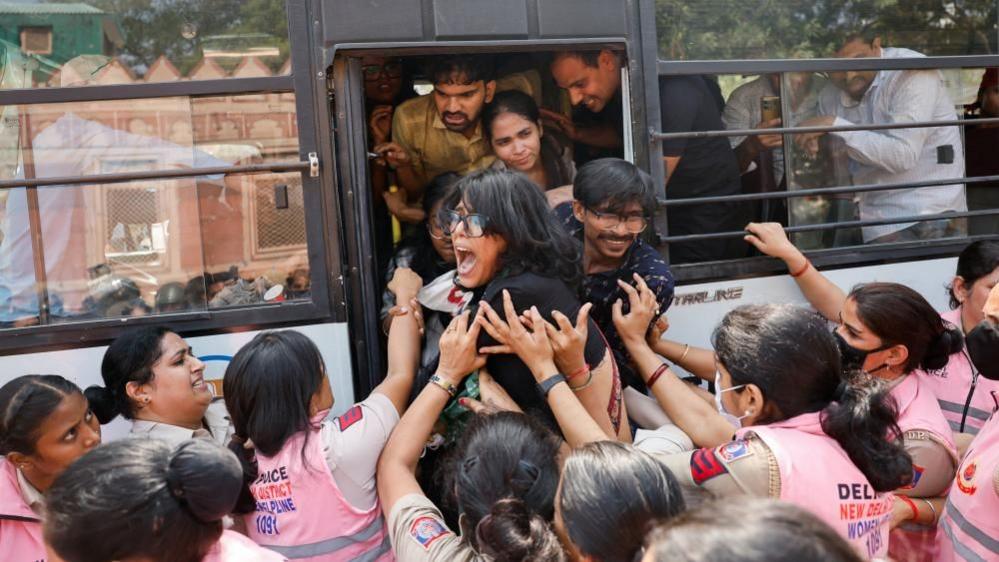
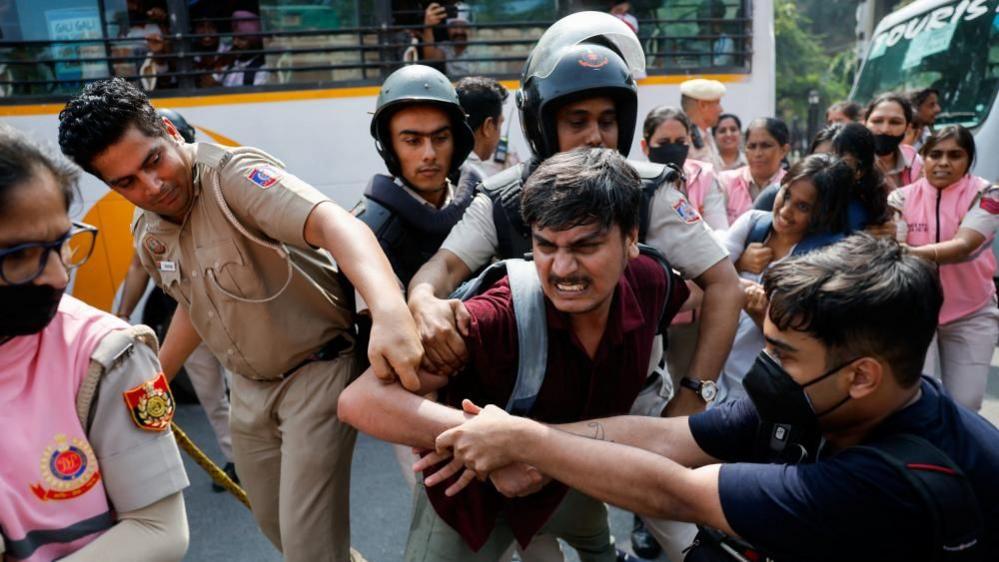
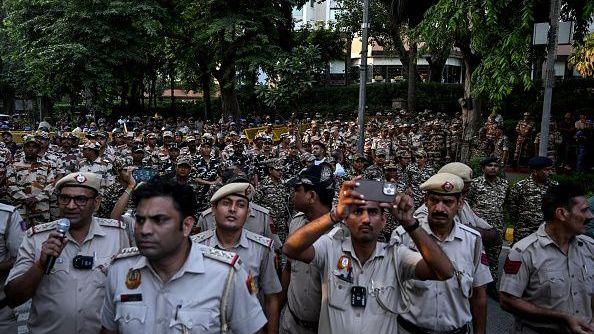
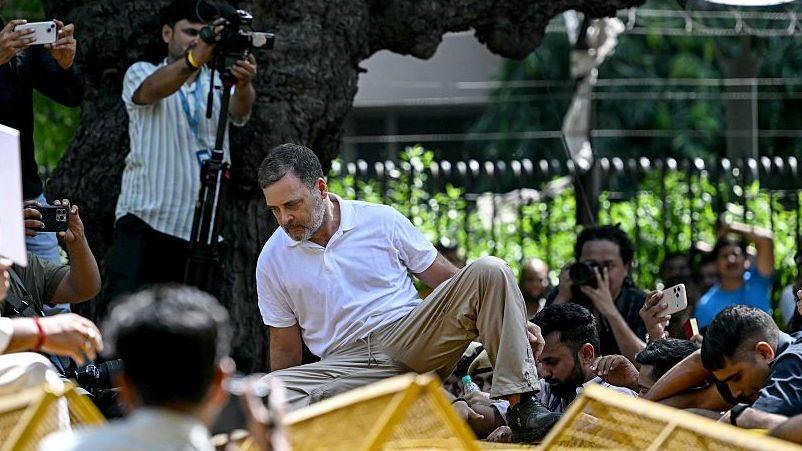
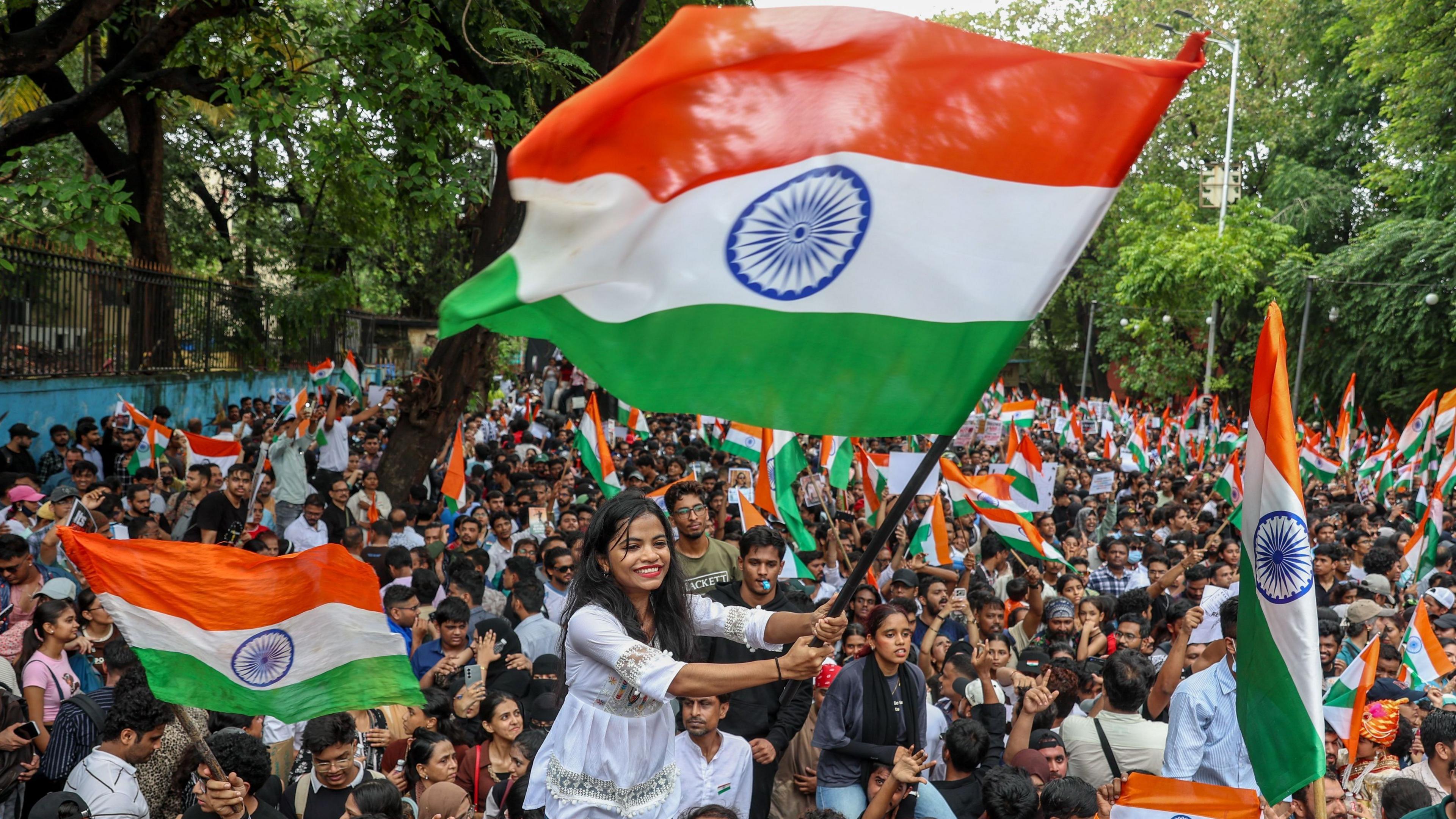
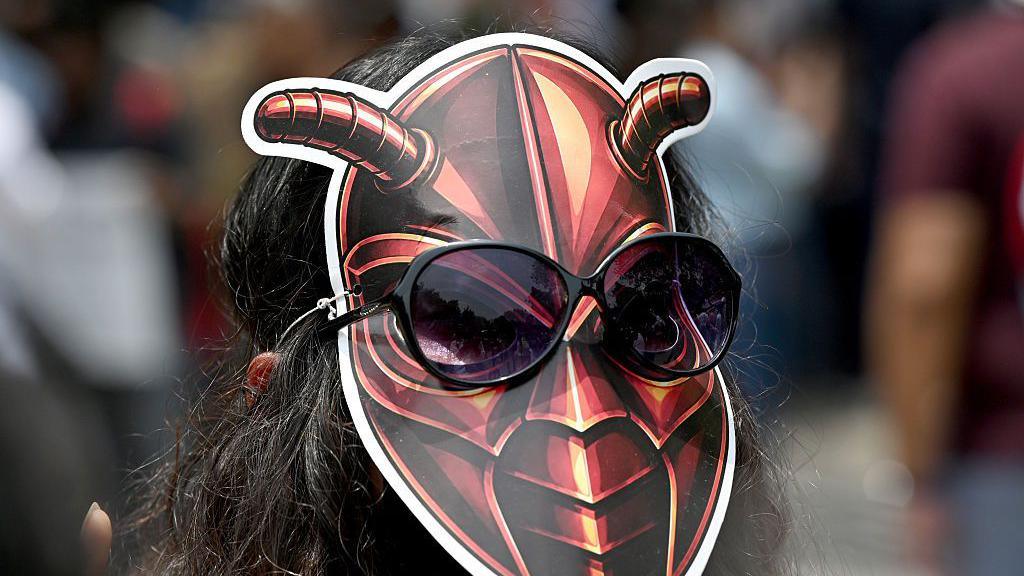
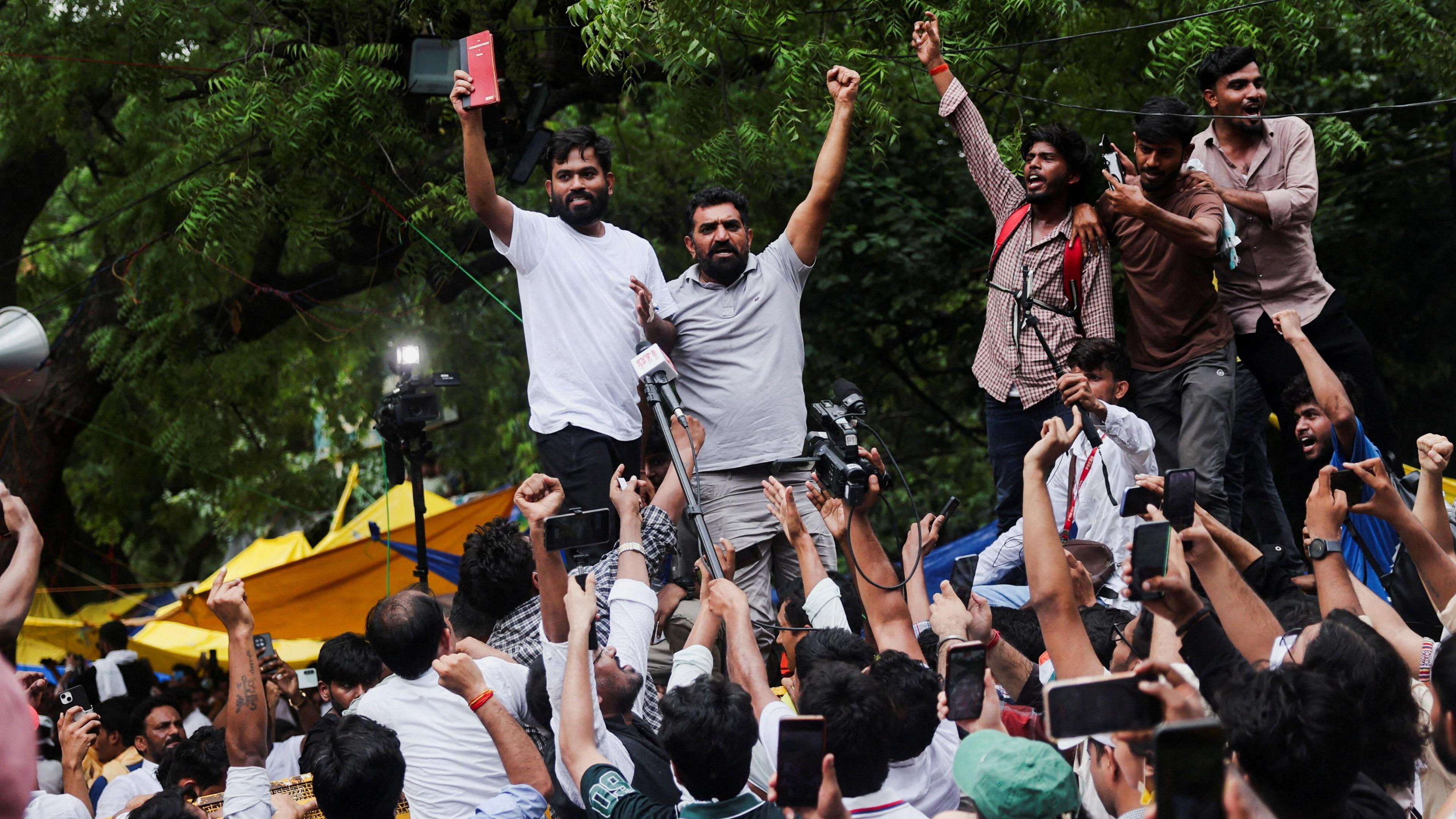
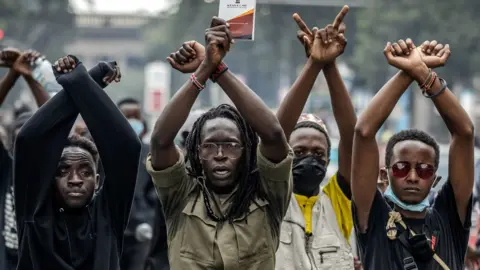
A massive protest in Delhi turned chaotic when police moved in to detain more than 600 members of the Cockroach Janta Party (CJP) on the night of 10 October. The demonstration, organized by a political movement that brands itself after the Chief Justice’s remark likening unemployed youth to ‘cockroaches’, was planned to march through the capital’s main streets, but Delhi Police denied the requested permit and sealed the route with a thick cordon of officers.
Despite the blockage, the CJP insisted the march would go ahead. Protesters, frustrated by the police action, smashed bus windows while being escorted by riot squads, a video posted by the party’s social‑media channel claiming the arrests had begun shortly after its founder, Abhijeet Dipke, landed in the city.
The crackdown came amid heightened tensions in Delhi, following a series of waves of street protests that have drawn both state and civil‑society attention. The scale of the police deployment—featuring thousands of armed personnel—underscored the administration’s determination to curb what it sees as unlawful mass gatherings.
BBC correspondent Azadeh Moshiri, on the ground, reports that the incident has sparked a debate about the limits of protest in India, the role of the judiciary and the government’s use of force. She explains that for many youngsters the incident represents a stark reminder of the systemic barriers they face, while critics argue that the protest’s violent aftermath justifies the state’s response.
The video clip circulating online, which shows Dipke and several other leaders in handcuffs on a convoy, has become an emblem of the CJP’s narrative of state suppression. Whether the protest will spark a broader movement or be curbed remains to be seen as Delhi’s authorities continue to hold the detained members in custody.