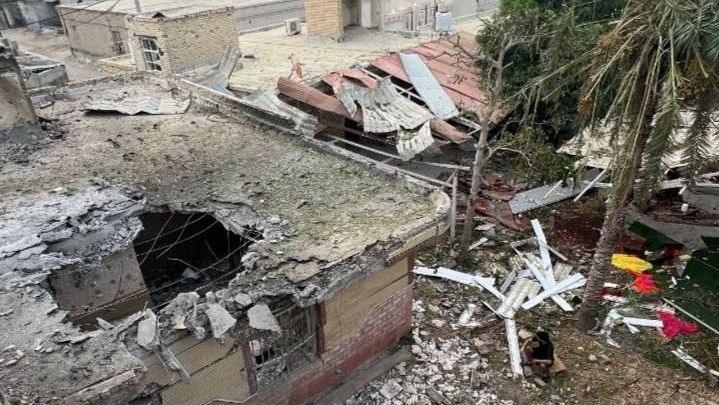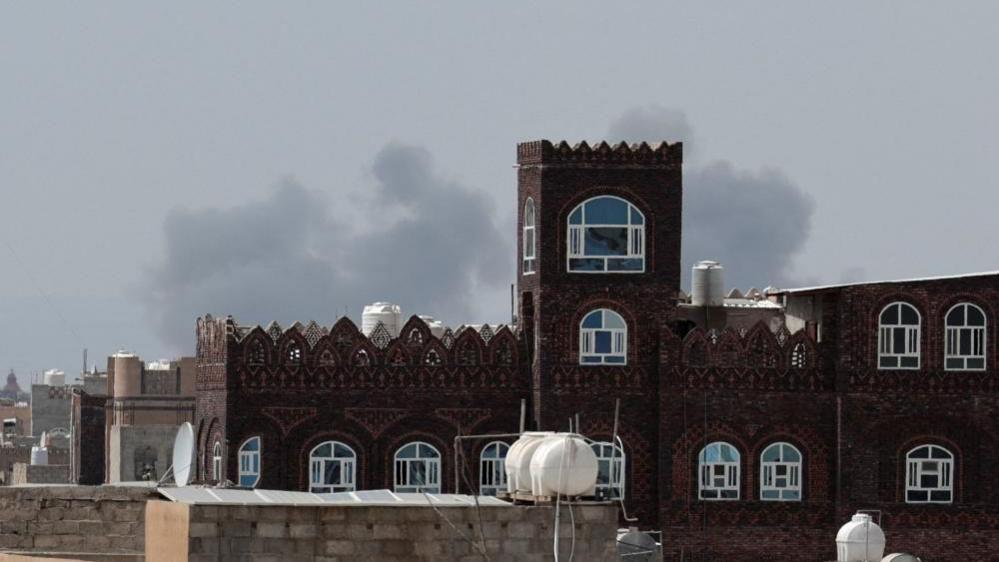
In a rapid escalation, Yemen’s Houthi movement announced it fired missiles and drones at Abha International Airport in Saudi Arabia, a move that the coalition described as retaliation for air‑strike attacks on Yemen’s capital airport. The missiles were intercepted by Saudi air‑defence systems and no casualties were reported, the coalition said.
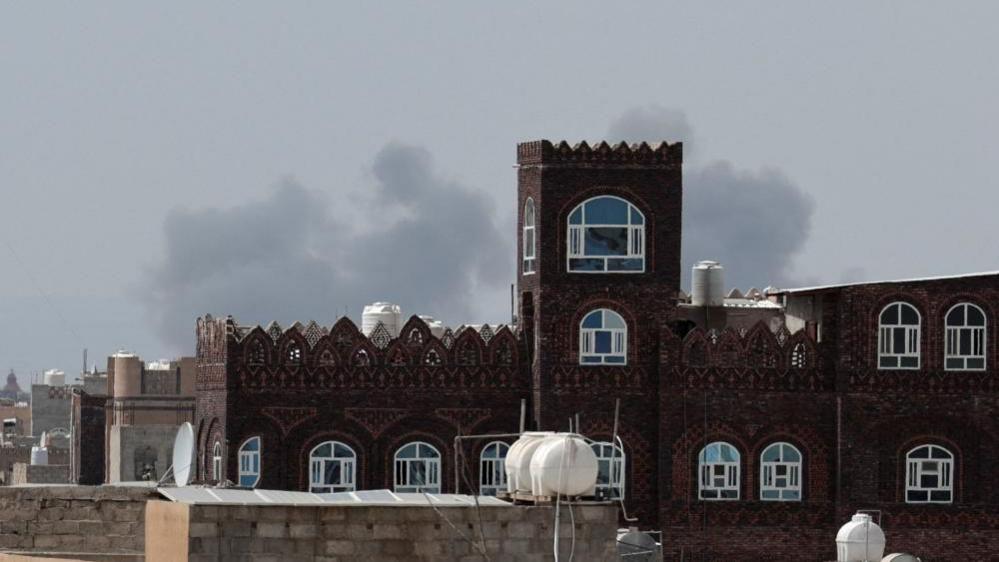
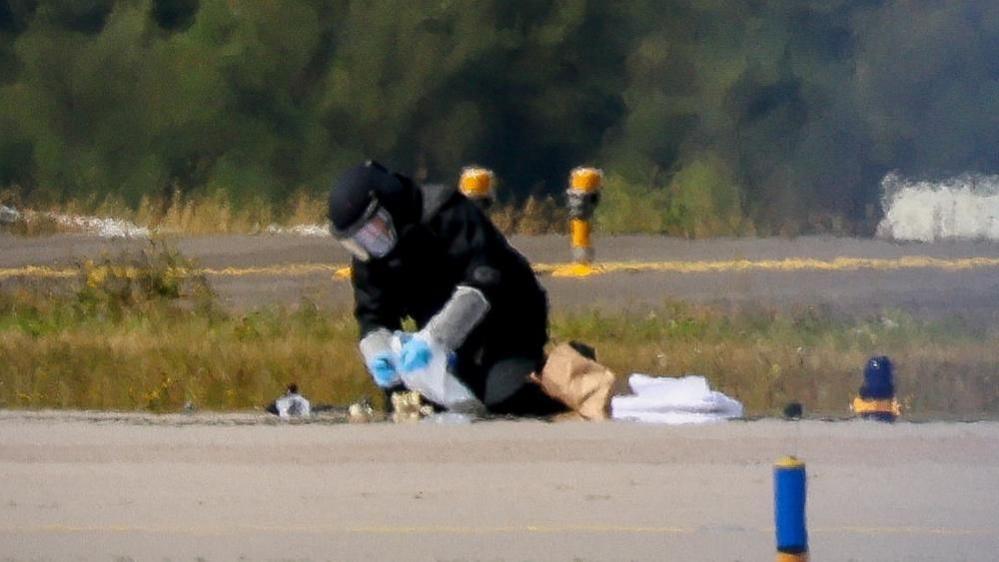
The Houthis accused Saudi Arabia of striking the runway at Sanaa airport in an effort to block an Iranian plane, a claim that the Yemeni government said was aimed at preventing the arrival of an Iranian delegation following the funeral of Grand Ayatollah Ali Khamenei. This attack on the capital’s airfield was dismissed by the coalition as criminal aggression, saying it was intended to deter Iranian influence.
The bombings raised criticism from both the United Kingdom and the United Nations, with diplomatic channels stressing that the region could not afford further escalation. The UN’s Assistant Secretary‑General Khaled Khiari urged all actors to engage constructively under UN auspices, warning of the spiral of violence that could deepen the humanitarian crisis that already claims more than 150,000 lives and leaves over 22 million people in need of assistance.
The retaliation also triggered a warning from Houthi spokesman Yahya Saree, who urged airlines to avoid Saudi airspace “until the blockade on Sanaa International Airport is lifted.” Despite the heightened tensions, the Saudi‑led coalition indicated that it would continue to defend its airspace while maintaining the cease‑fire that had lingered for four years.
The recent hostilities have reignited a broader conflict, drawing in regional powers and raising concerns about the stability of the Gulf and beyond. International pressure remains high as the global community seeks a sustainable cease‑fire and a pathway to peace in Yemen.