In brief
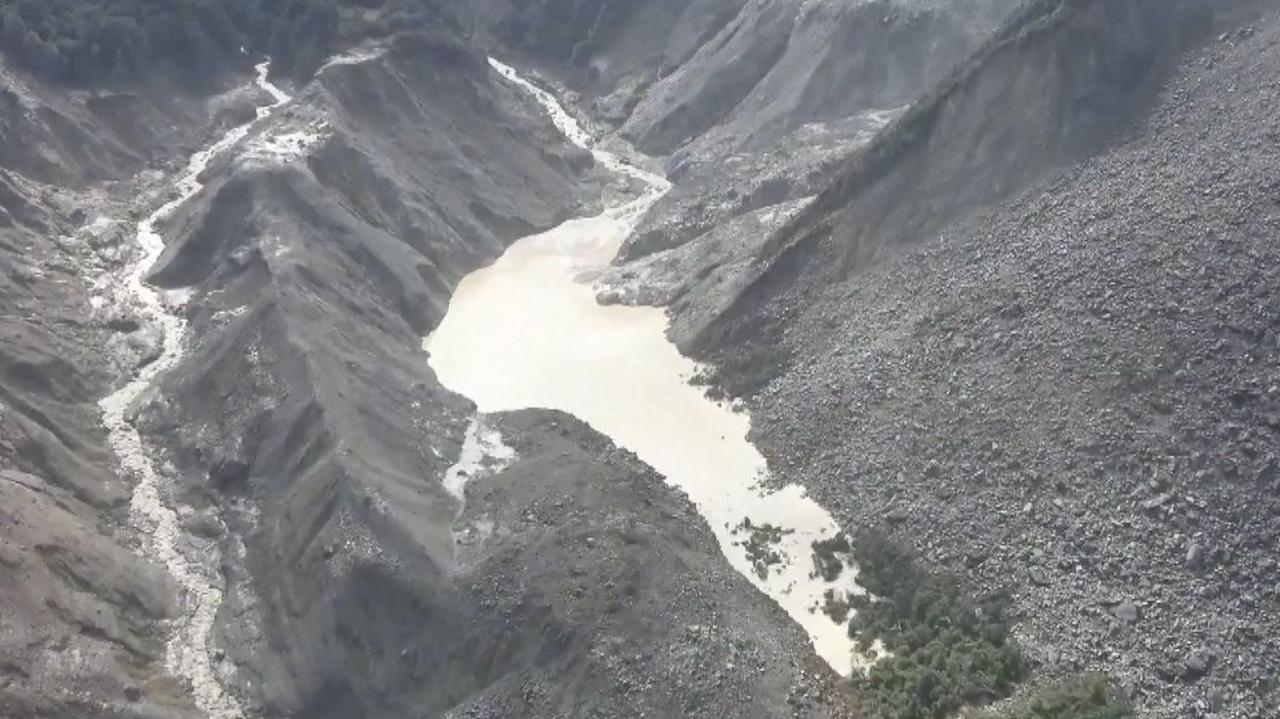
A barrier lake that formed after a glacier collapsed upstream from the Nepal‑Tibet border is now at high risk of breaching its banks, officials said. The breach could unleash a second flash flood downstream, compounding the devastation already caused by last week's crushing flood. Chinese authorities have mobilised engineering teams to monitor the lake and have temporarily suspended rescue operations near the border. With heavy rain still falling, waters continue to overflow and the prospect of a catastrophic release remains acute.
A barrier lake that formed when a glacier collapsed into the Chhochen Khola and Purepu Tsangpo rivers is now at high risk of breaching its banks, Chinese officials warned. The breach could unleash a second flood downstream, compounding the catastrophe that occurred last Wednesday when a glacier fragment surged into the river, causing a devastating flash flood.
State broadcaster CCTV reported that the lake had accumulated around 2.5 million cubic metres of water. Between Thursday and the weekend, an additional 3 million cubic metres of water was expected to fill the lake, raising the risk of overflow.
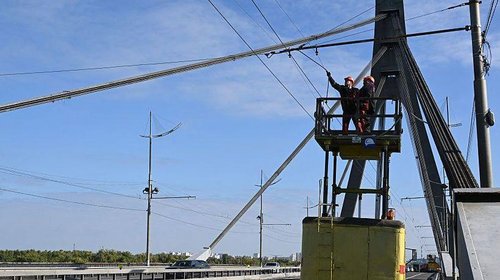
Engineering teams have been dispatched to monitor water levels and atmospheric conditions. Because the lake was overflowing “non‑stop”, rescue operations near the Nepal‑Tibet border had to be suspended.
The lake sits upstream from Gyirong Port, the main land crossing linking Nepal and China, and close to the Langtang Lirung peak where the glacier collapse is believed to have originated. Residents have been told to stay away from the rivers until further notice.
Overall, hundreds of lives have been lost and many remain missing in the region, with over 550 missing on the Tibetan side alone.