In brief
In a sweeping move to clamp down on identity fraud, Ghana’s National Identification Authority has outlawed the photocopying and visual checking of the biometrically‑protected Ghana Card. All businesses and organisations must now use a mobile app that scans the card and verifies its embedded fingerprints, iris data, photo and signature. Failure to comply could lead to hefty fines for both institutions and individuals, with penalties up to 24,000 cedis for organisations and 6,000 cedis for private citizens.
All businesses and institutions in Ghana must now use a biometric app scanner to check national identity cards under new rules aimed at strengthening security and curbing fraud. Previously, many relied on visual checks or photocopies, opening the door for impersonation.
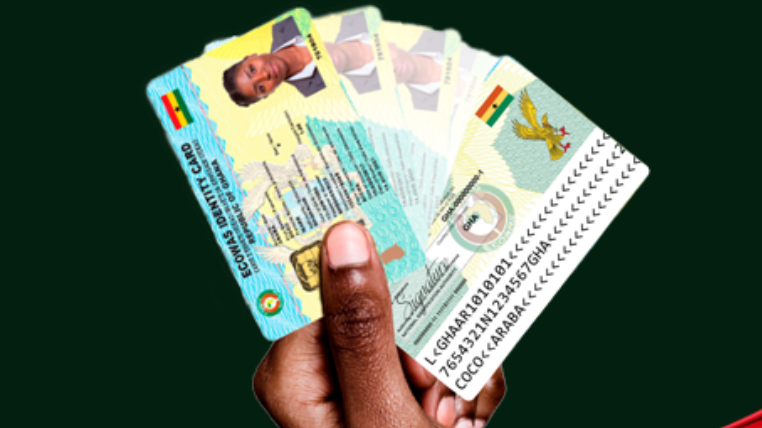
Ghanaian citizens and foreign residents are required to carry a plastic biometric national ID known as the Ghana Card—a key gateway to banking, mobile SIM registration, passports and driver licences.
The card houses 10 fingerprints, iris scans, a photograph and a signature, all overseen by the National Identification Authority (NIA). From now on, identity verification will be done through a specialised mobile application that reads and authenticates the card’s data.
“It is now an offence to photocopy or visually inspect a Ghana Card for the purpose of transaction. Biometric verification is now mandatory,” declared Wisdom Yayra Koku Deku, NIA chief. Organisation that continue to use photocopies may incur fines of up to 24,000 Ghanaian cedis (about $2,100), while individuals face up to 6,000 cedis (about $525).
The NIA urges unconnected organisations to adopt the digital verification system immediately and promises a public briefing on compliance measures in the coming days.