The release of thousands of pages of documents related to the late sex offender Jeffrey Epstein's abuse has left some who were anxiously awaiting the files disappointed.
The documents' release was prompted by an act of Congress that directed the US Justice Department (DOJ) to make materials related to Epstein's crimes public. However, many documents have numerous redactions, and others have not been shared publicly at all.
Lawmakers who advocated for this release described it as incomplete and criticized the Justice Department's efforts as insincere, stating that the heavy redactions could fuel ongoing conspiracy theories.
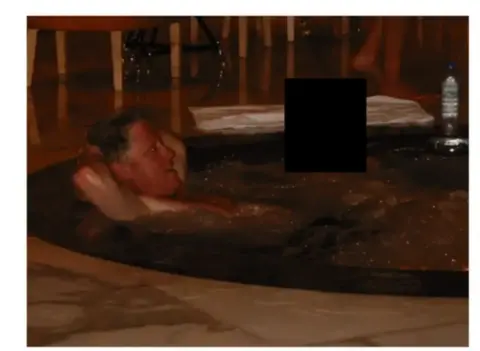
Among the information recently released is a photo of Epstein's confidante Ghislane Maxwell outside Downing Street, a document alleging Epstein introduced a 14-year-old girl to US President Donald Trump at Mar-a-Lago, and several images of former President Bill Clinton.
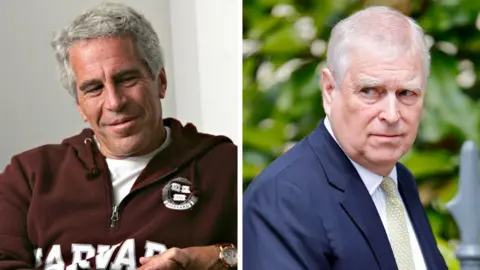
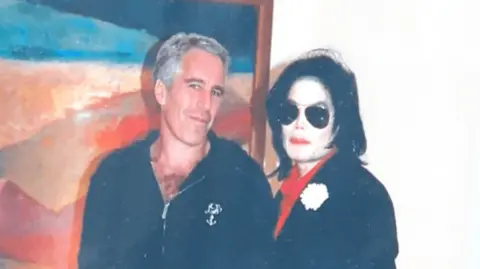
Trump and Clinton have consistently denied any wrongdoing related to Epstein. Other released images showcase Epstein's homes, his travels, and celebrities connected to him, including Andrew Mountbatten-Windsor and Mick Jagger.
The DOJ reported that it identified more than 1,200 Epstein victims or their relatives and withheld materials that could identify them.
However, many documents remain heavily redacted, leaving survivors and lawmakers frustrated. Epstein survivor Liz Stein asserted that the Justice Department is evading transparency requirements mandated by the Epstein Files Transparency Act, urging for a complete disclosure of the evidence surrounding the crimes.
Congressman Ro Khanna echoed her sentiments, labeling the release incomplete and threatening potential legal action against the Justice Department.
As frustration continues to mount over the handling of these sensitive documents, many are calling for more transparency and accountability from the Justice Department regarding the information withheld.