ORLANDO, Fla. — Florida is on the brink of expanding its immigration detention capabilities with plans for a third facility in the state’s Panhandle region. Governor Ron DeSantis announced that the state is currently awaiting approval from federal authorities for this new center, following the controversial establishments known as 'Alligator Alcatraz' in the Everglades and 'Deportation Depot' at the former Baker Correctional Institution.
In a press conference, DeSantis noted, “So, if they approve, we will open. If they don’t, then we will stand by.” He expressed confidence that the federal government would consent, given the perceived need for additional detention space in Florida.
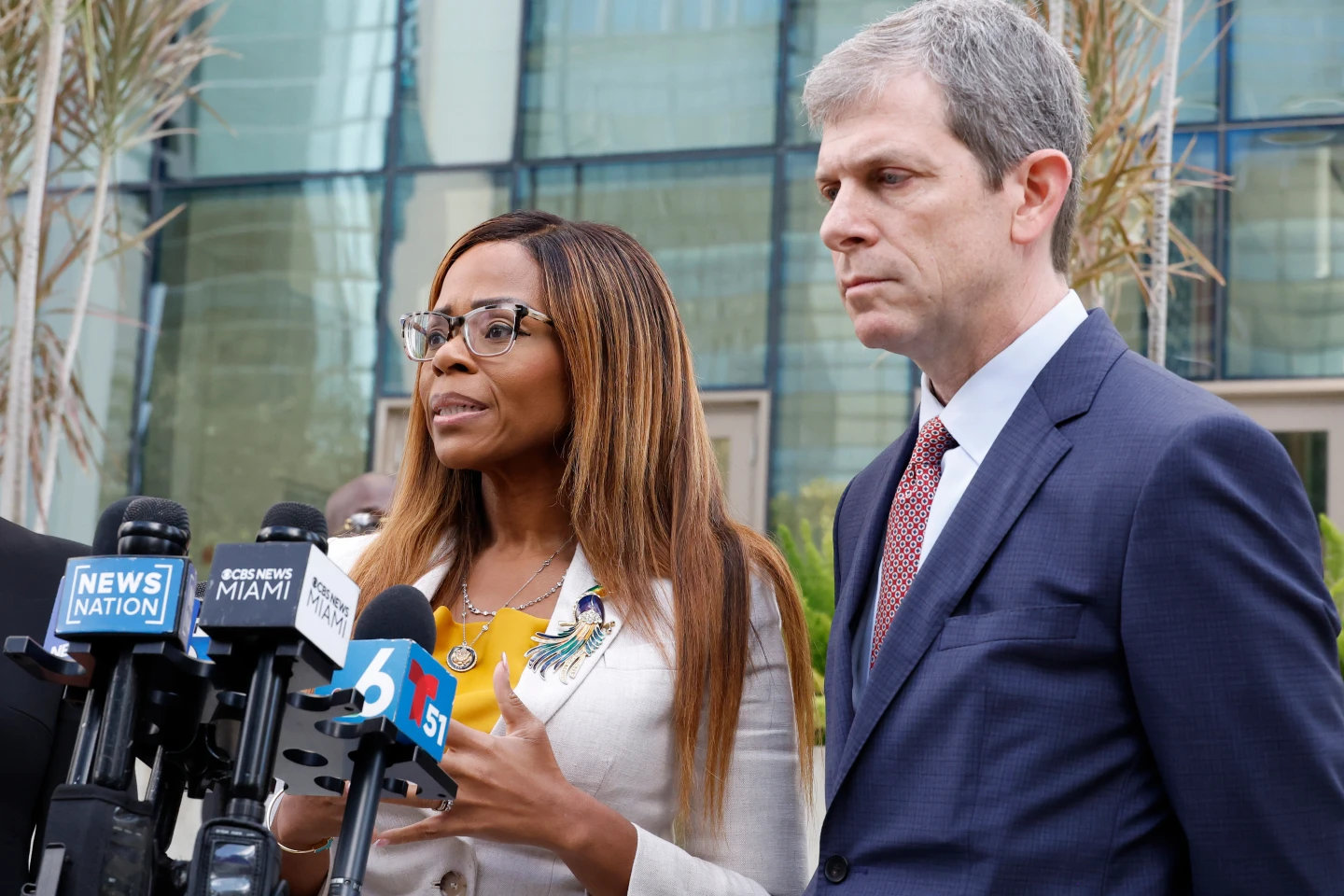
Attorney Molly Best, the Governor's press secretary, indicated that the specific location would be disclosed once federal approval is secured, stating: “Until this and the proposed additional South Florida location have been approved and finalized, we are unable to provide additional details. Stay tuned!”
DeSantis reported that recent state initiatives, in collaboration with federal law enforcement, resulted in 20,000 arrests of individuals unlawfully present in Florida, with an alarming 63% having criminal histories.
Florida's approach to detention centers reflects support for stricter immigration enforcement under the Trump administration, with DeSantis highlighting the state's role as a model for other states aiming to bolster their immigration enforcement initiatives.
However, the current facilities have been the subject of significant scrutiny, facing multiple lawsuits that question the legality of Florida's actions and the conditions in which detainees are held. Advocates argue that there have been serious violations of detainees' rights, including deplorable living conditions at the Everglades facility. Attorneys have cited incidents where detainees are allegedly pressured to sign voluntary removal orders without proper legal counsel, leading to calls for investigations and improvements in treatment.
Legal challenges persist, with detainees seeking to close the Everglades facility on constitutional grounds, demanding access to private attorney consultations, and contesting the lack of environmental reviews required by federal law. As Florida approaches a decision on expanding its detention capabilities, the controversies surrounding existing centers remain a significant aspect of the ongoing immigration discourse.
In a press conference, DeSantis noted, “So, if they approve, we will open. If they don’t, then we will stand by.” He expressed confidence that the federal government would consent, given the perceived need for additional detention space in Florida.
Attorney Molly Best, the Governor's press secretary, indicated that the specific location would be disclosed once federal approval is secured, stating: “Until this and the proposed additional South Florida location have been approved and finalized, we are unable to provide additional details. Stay tuned!”
DeSantis reported that recent state initiatives, in collaboration with federal law enforcement, resulted in 20,000 arrests of individuals unlawfully present in Florida, with an alarming 63% having criminal histories.
Florida's approach to detention centers reflects support for stricter immigration enforcement under the Trump administration, with DeSantis highlighting the state's role as a model for other states aiming to bolster their immigration enforcement initiatives.
However, the current facilities have been the subject of significant scrutiny, facing multiple lawsuits that question the legality of Florida's actions and the conditions in which detainees are held. Advocates argue that there have been serious violations of detainees' rights, including deplorable living conditions at the Everglades facility. Attorneys have cited incidents where detainees are allegedly pressured to sign voluntary removal orders without proper legal counsel, leading to calls for investigations and improvements in treatment.
Legal challenges persist, with detainees seeking to close the Everglades facility on constitutional grounds, demanding access to private attorney consultations, and contesting the lack of environmental reviews required by federal law. As Florida approaches a decision on expanding its detention capabilities, the controversies surrounding existing centers remain a significant aspect of the ongoing immigration discourse.