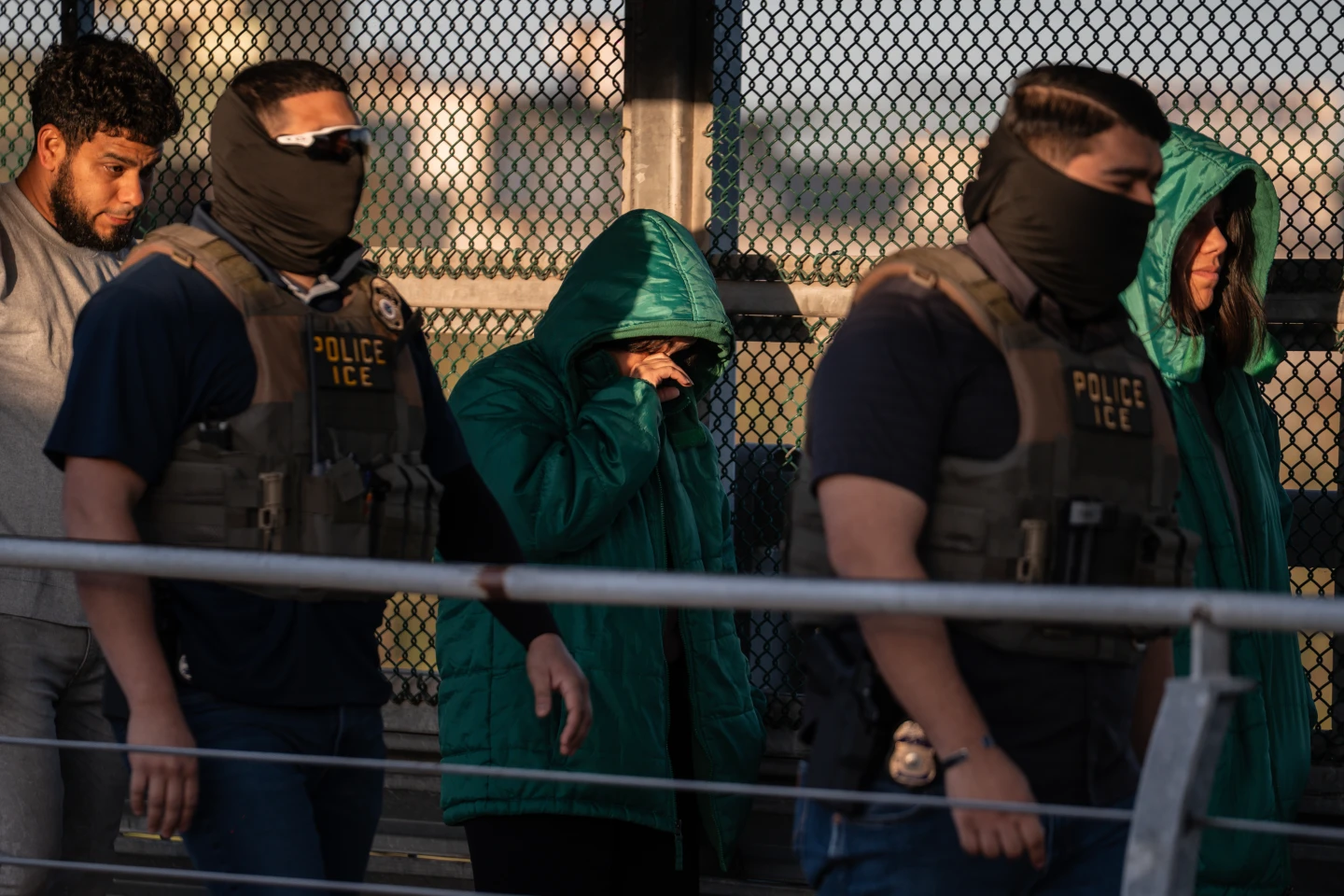
MINNEAPOLIS (AP) — A federal judge on Thursday extended a crucial order ensuring that immigrants detained in Minnesota can access attorneys immediately after arrest, before the government can transfer them out of state.
U.S. District Judge Nancy Brasel issued a preliminary injunction that mandates the U.S. Immigration and Customs Enforcement (ICE) allow detained individuals at the Minneapolis holding facility to quickly reach their lawyers and communicate with them privately as their legal cases proceed.
“Due process is not a game of keep-away,” Judge Brasel asserted. She pointed out that while ICE acknowledges the right to counsel for detainees in official policy, it consistently fails to facilitate this access in practice, imposing numerous barriers that obstruct communication between clients and their attorneys.
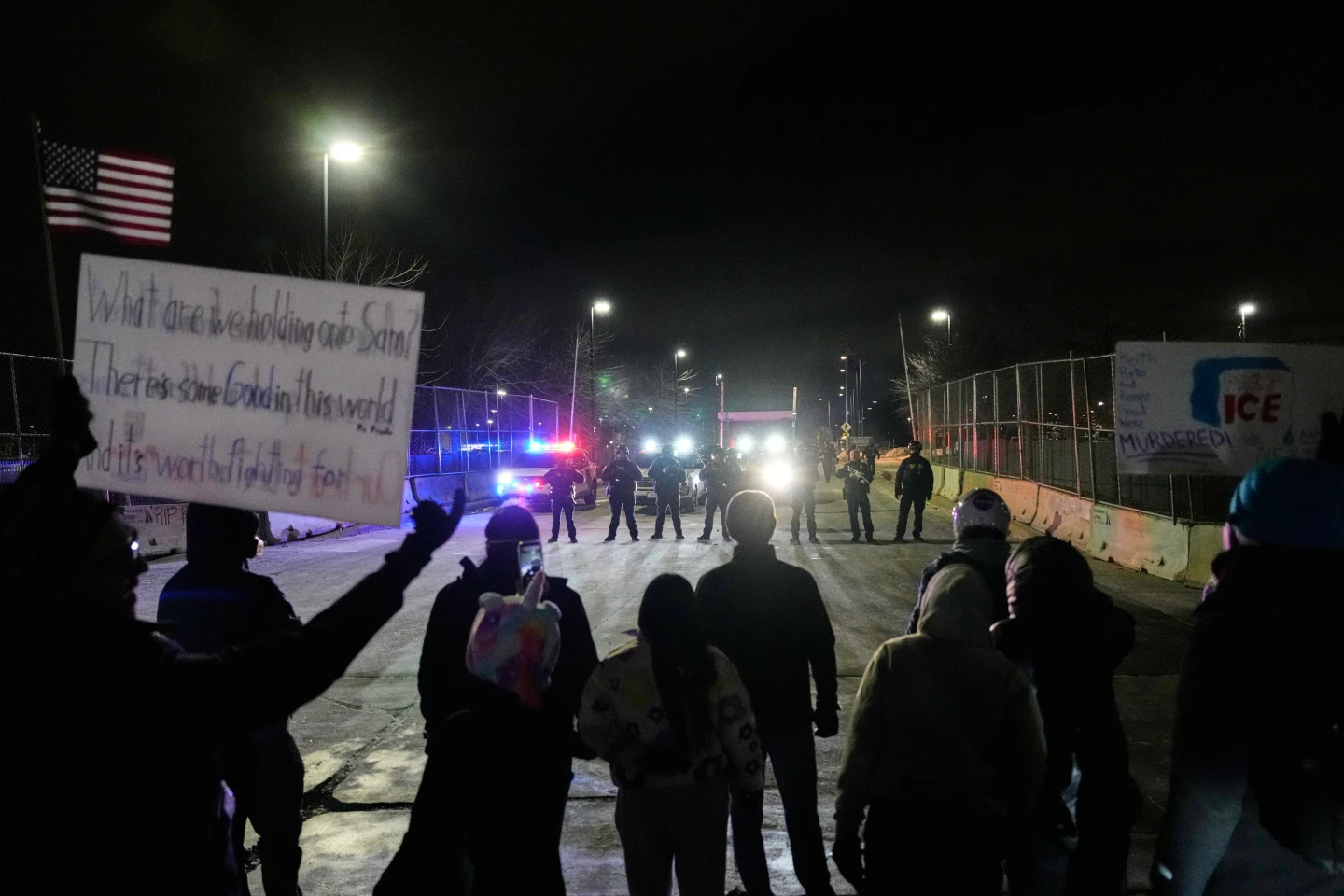
This decision builds on a temporary restraining order issued by Judge Brasel in February, indicating ICE’s inadequate preparations to safeguard the constitutional rights of detained immigrants during the previous administration's aggressive immigration enforcement, known as Operation Metro Surge.
In her ruling, Judge Brasel stressed, “The Constitution does not permit the government to arrest thousands of individuals and then disregard their constitutional rights.” She maintains that all detained individuals should have the chance to contact an attorney within one hour of their detention and remain in Minnesota for the first 72 hours to enable effective legal representation.
The Advocates for Human Rights, which filed the lawsuit in January, praised the ruling, underscoring the fundamental right to access counsel. The organization’s executive director, Michele Garnett McKenzie, emphasized the critical nature of private discussions between detainees and their lawyers in ensuring due process and protecting individuals from coercive detention and deportation.
ICE did not provide immediate comments on the ruling. During a recent hearing, attorney Jeffrey Dubner indicated the agency’s inconsistent compliance with previous orders, a concern raised by local immigration lawyers who highlighted challenges in reaching their clients at the Whipple facility.
As the judge extended the injunction, she addressed testimonies from attorneys affirming ongoing barriers to communication with clients, even onsite, fueling continued discussions around the fundamental rights of detained individuals and the government's responsibilities.