In brief
In 2025, faith leaders across the United States are unifying to support anxious immigrant communities facing increased scrutiny and hostility from the Trump administration. With intensified rhetoric and policy changes aimed at Haitian, Afghan, and Somali populations, these religious groups are advocating for dignity, justice, and sanctuary for those at risk. Despite challenges such as the looming expiration of Temporary Protected Status for Haitians and restrictions on Afghan refugees, leaders remain steadfast in their commitment to protect vulnerable populations and amplify positive narratives within their communities.
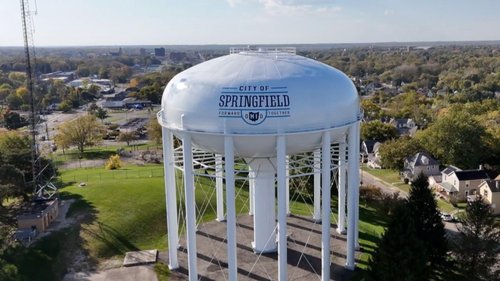
For faith leaders supporting and ministering to anxious immigrants across the United States, 2025 is fraught with challenges and setbacks. With President Trump’s intensified rhetoric and policies targeting immigrant populations, many religious figures express deep concern over the fate of communities uprooted by violence and instability in their home countries.Haitian immigrants, many of whom fled disastrous conditions and current gang violence, face uncertainty with the expiration of Temporary Protected Status. In Springfield, Ohio, where a sizable Haitian community has sought new beginnings, Rev. Carl Ruby emphasizes, 'It's going to be an economic and humanitarian disaster.' Amidst the groundswell of fear, local churches are banding together to provide sanctuary and resources for those facing deportation.Simultaneously, Afghan refugees—many of whom assisted U.S. forces during the Afghan conflict—find their hopes dashed with the suspension of the refugee program, which has severely limited funding for organizations dedicated to their support. Faith-based organizations like Lutheran Social Services face drastic budget cuts, losing two-thirds of their staff, but remain committed to helping Afghans adjust and thrive.Somali Americans also navigate increased scrutiny and bias due to disparaging statements from Trump. Community leaders are forming task forces to combat the fallout from immigration enforcement crackdowns and to advocate for their community’s successes against the backdrop of negative public portrayal. Faith leaders across various denominations are voicing their opposition to the harmful impact of Trump’s policies. U.S. Catholic bishops have issued a rare 'special message' calling attention to the plight of immigrants and the need for humane treatment. Echoing these sentiments, leaders from the Evangelical Lutheran Church, along with Jewish organizations such as HIAS, stand in solidarity with affected communities, emphasizing that individuals must not be judged based on the actions of a few.As the political landscape shifts, faith communities are determined not only to provide physical and spiritual support but also to advocate actively for policies that honor the dignity of every immigrant.