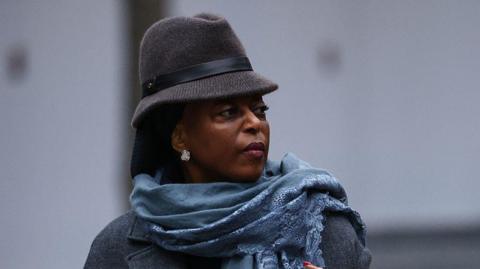
In a surprise turn at Southwark Crown Court, former Nigerian oil minister Diezani Alison‑Madueke was cleared of five counts of accepting bribes and a charge of conspiracy to commit bribery.
Alison‑Madueke, who led Nigeria’s oil ministry from 2010 to 2015 and served as OPEC’s first female president, denied that she ever sought or received illicit payments. She said the luxurious items cited in the indictment—art, homes, and designer clothing—were gifts for others and that her affairs in London were funded by “private businessmen” who had no involvement in government contracts.
A probe in limbo for 13 years
The UK’s National Crime Agency began investigating the case in 2013, but critics argue delays were deliberate. Defence lawyers contended that crucial documents supporting Alison‑Madueke’s innocence were lost in Nigeria, and that the prosecution’s evidence was incomplete and biased.
Alison‑Madueke’s case also highlighted gaps in extradition procedures. Her brother Doye Agama, an archbishop in Manchester, was also acquitted of conspiracy. The jurors were told that oil executives listed in the indictment had not been charged, yet no explanation was provided, raising concerns about transparency.
Beyond the verdict: What still remains
The prosecution failed to prove that Alison‑Madueke had awarded contracts in return for bribes. Yet the case alleged that she had allowed powerful men to bankroll her extravagant lifestyle while she served as minister. After the trial, her statement described the ordeal as a “nightmare” that finally ended.
The ruling highlights broader questions about international corruption, the role of informants, and the integrity of cross‑border investigations. With the UK’s anti‑corruption framework under scrutiny, the outcome could prompt calls for reforms in how cases involving foreign officials are pursued.
The story continues to resonate in Nigeria and beyond, as activists argue that the case exemplifies the challenges of holding powerful leaders accountable, while the justice system seeks to balance global cooperation with domestic legal safeguards.