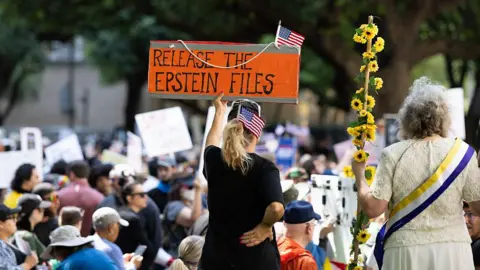
The release of thousands of pages of documents related to the late sex offender Jeffrey Epstein's abuse by the US department of justice (DOJ) has left some who were anxiously awaiting the files disappointed.
By law, the DOJ had to make all materials public by the end of Friday. But only some have been released, many with numerous redactions.
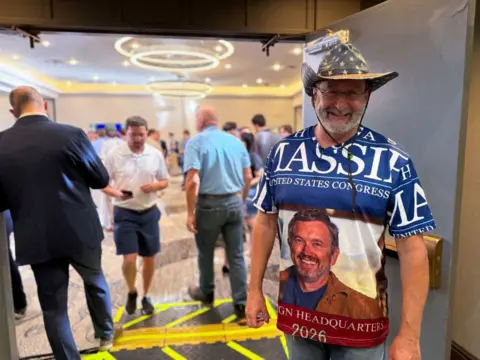
The lawmakers who pushed for these documents to see the light of day have described the DOJ's efforts as insincere, and some legal experts say that the redactions may only fuel ongoing conspiracy theories.
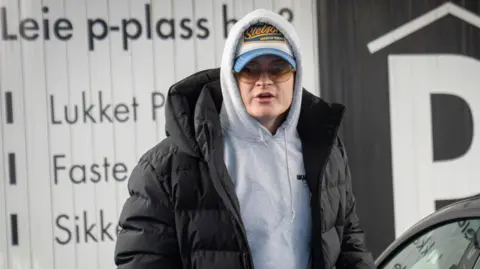
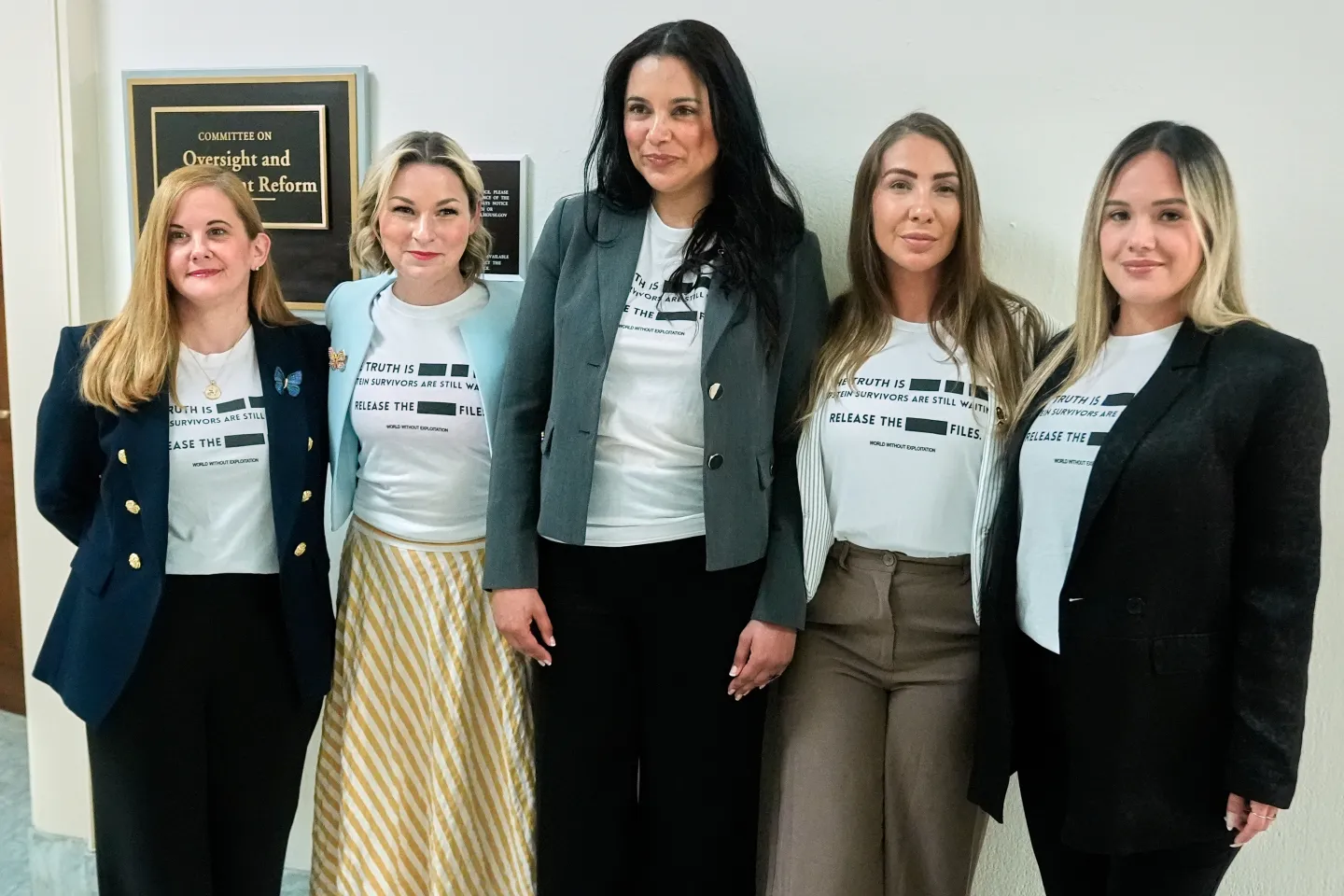
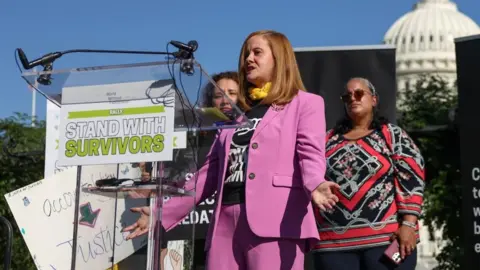
We just want all of the evidence of these crimes out there, Epstein survivor Liz Stein told the BBC.
Ms Stein criticized the justice department for what she called an insincere approach to transparency, while fellow survivor Marina Lacerda shared her anxiety regarding the possibility of a slow rollout of incomplete information.
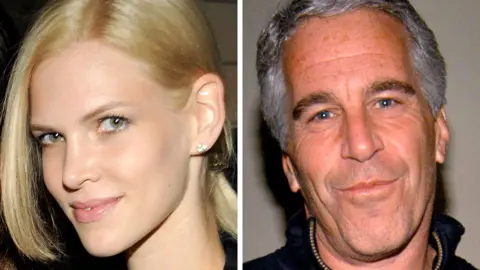
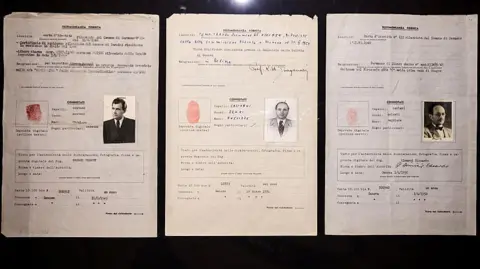
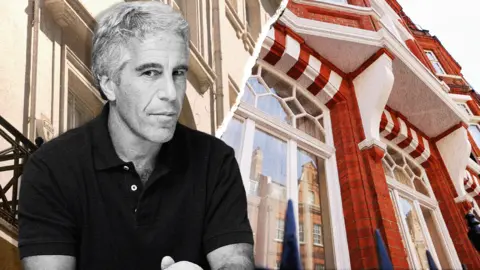
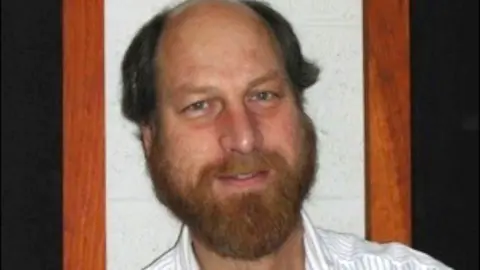
The DOJ's partial release included revealing documents and images featuring high-profile individuals connected to Epstein but left many documents heavily redacted.
Images include significant instances such as Epstein with Ghislaine Maxwell and connections to former presidents Donald Trump and Bill Clinton. Being named or pictured does not imply wrongdoing, yet many involved have denied any connections to Epstein's illegal activities.
The DOJ has committed to a thorough review of materials, justifying redactions to protect ongoing investigations and the identities of known victims.
As the public awaits further information, lawmakers are contemplating actions to ensure full disclosure regarding the contents of the Epstein files, emphasizing the need for clarity and transparency under the Epstein Files Transparency Act.