In brief
Facing backlash from member states, the EU has outlined a set of proposals that would relax the emissions trading system’s reductions, giving businesses more time to cut emissions. The plan extends free allowances until 2038, lowers the annual cap de‑reduction rate, and offers generous upfront permits to firms investing in decarbonisation. While the Commission argues it aligns with the 90 % emission‑reduction goal by 2040, critics warn the changes could undermine climate progress. The shift follows pressure from nations like Poland and reaction from green lawmakers across Europe.
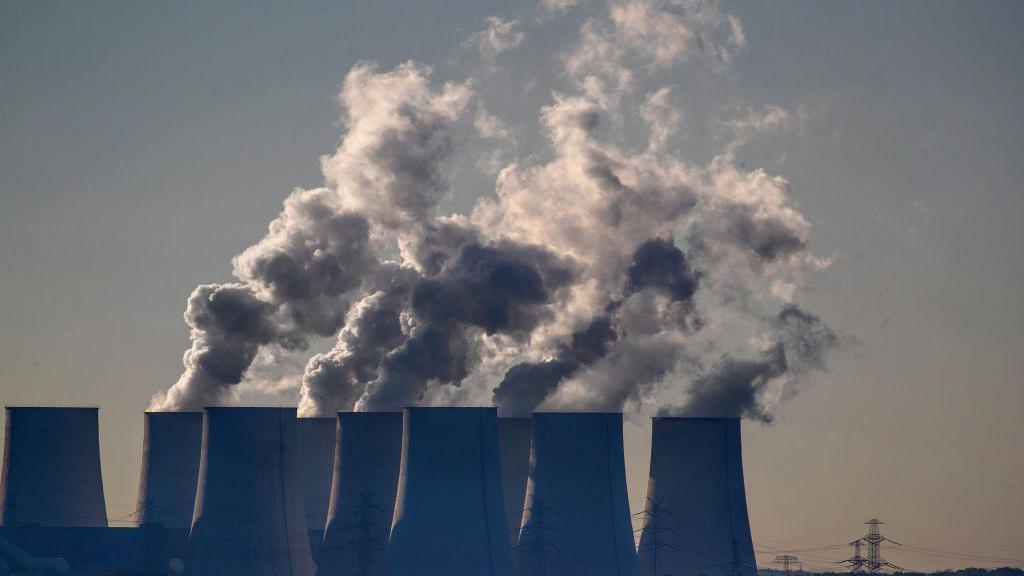
The European Union has unveiled proposals that would slow the rate at which greenhouse‑gas limits for companies are set to fall, part of a broader overhaul of the bloc’s climate policy.
The core of the proposals is to give certain industries an extra four years to acquire emission allowances – from 2034 to 2038 – if they commit to investing in decarbonisation of their plants. Companies would receive 80 % of free permits upfront to stimulate investment, with the remaining 20 % awarded as investment proof.
In addition, the Commission wants to ease the pace at which the overall cap of allowances is lowered each year. The proposed reduction rates would drop from 4.3 % to 3.7 % from 2031 and to 1.7 % from 2036, creating a slower trajectory to the 2040 target of a 90 % cut in emissions compared to 1990 levels.
The policy shift comes amid criticism from several Member States, notably Italy which labels the ETS “a de‑facto tax that keeps energy prices high.” The Commission argues that a more business‑friendly approach will help the EU stay on track for its long‑term climate ambitions.
Poland’s climate minister, Paulina Hennig‑Kloska, welcomed the softer stance and said Poland would push for further loosening. Meanwhile, green politicians, such as German MEP Michael Bloss, warned the plans could lead to “gigantic climate pollution” and harm future generations.
As Europe experiences rapid warming – with record high temperatures in many central and western European countries – a more stringent climate policy is increasingly debated. The latest proposals aim to balance economic competitiveness with environmental responsibilities.
For more context, see the accompanying heat‑wave charts and the European discussions on decarbonisation guidelines.