In brief
As drought continues to decimate livestock and livelihoods in Turkana County, many families are left without food, prompting them to turn to the fruit of the gingerbread tree as a desperate food source. Women, like Lotkoy Ebey, face dire circumstances with increasing hunger and depletion of resources, highlighting the urgent need for humanitarian assistance amidst a lingering climate crisis.
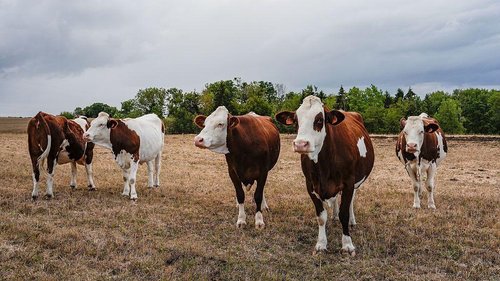
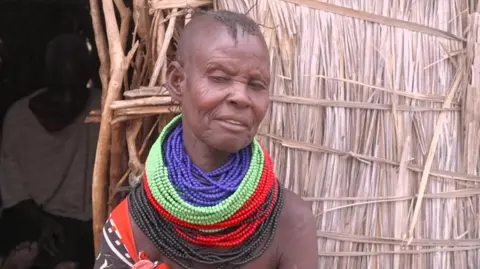
Lotkoy Ebey has just five scrawny goats remaining from a once-thriving herd of fifty due to the relentless drought affecting north-western Kenya. The consequences of the prolonged dry season are devastating, with many local families witnessing their livelihoods disappear.
In Turkana, livestock holds not only economic value but also cultural significance. The decline in livestock is more than just a financial collapse—it's a blow to their way of life. Despite some recent rain, officials caution that relief is unlikely to come soon, as rainfall patterns have been unreliable and insufficient.
The drought’s impact extends beyond Turkana, affecting about 26 million people across East Africa facing extreme hunger, as reported by Oxfam. With dry riverbeds and barren grazing fields now commonplace, hunger has become a daily reality.
Lotkoy and many in her community are often forced to survive on one meal a day, with some going several days without proper nutrition. As desperation sets in, they are left with little choice but to forage for food in the wilderness. Under a shaded tree, women in Kakwanyang village search for the doum palm, locally known as the gingerbread tree, whose fruits have become one of the scarce food sources available.
While these brown, hard-shelled fruits can alleviate hunger momentarily, villagers recognize their limitations, as eating them in excess can cause health issues.
Despite previous food assistance programs, the absence of aid this year has left families like Ebey’s in acute need. Requests for government intervention go unanswered as they struggle to find enough to eat, exemplified by stories of families surviving on scraps.
Jacob Letosiro from the Turkana county drought management team has highlighted that over 320,000 individuals in the region require immediate food assistance. As communities convey their urgent cries for help, local and international humanitarian organizations are mobilizing resources, yet the overwhelming need far exceeds what is currently available.
The situation remains critical, and for many in Turkana, survival hinges on their ability to find food in the wild and any support they can obtain from local authorities.