In brief
The Democratic Republic of Congo has reached an agreement with the United States to accept deportees, marking a notable step in international migration policy. The arrangement, effective immediately, includes support from the US, with facilities in place to welcome migrants. While the exact number of deportees remains undisclosed, this move reflects Congo's commitment to humanitarian principles.
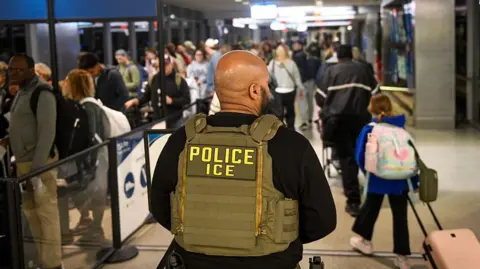
The Democratic Republic of Congo has officially agreed to accept migrants deported from the United States who are not Congolese, under a new deal that came into effect this month. The Congolese Ministry of Communication has announced that a temporary reception system has been established, and accommodations for the deportees have been identified in the capital city of Kinshasa. Logistical and technical support will be provided by the US government, ensuring that the Congolese authorities will incur no financial costs related to this arrangement. However, the number of deportees to be accepted has not been disclosed.This decision is part of a broader trend, as the US has already sent deportees to various African nations, reflecting its stringent immigration policies. Amidst concerns regarding potential risks to migrants being returned to their home countries, where they may face persecution, Congolese officials emphasized that they do not plan for such transfers. The initiative aims to highlight the Democratic Republic of Congo's commitment to human dignity, international solidarity, and protection of migrants' rights. This arrangement is described by officials as neither a permanent relocation mechanism nor an outsourcing of migration policies.Human rights advocates have expressed criticism over the deportation policies, raising ethical and legal concerns. DR Congo joins a list of African nations, including Eswatini, Ghana, and South Sudan, in receiving US deportees. The US has reportedly spent significant funds on third-country deportations, further complicating the dynamics of international migration amid ongoing negotiations for a minerals deal focused on accessing DR Congo's vast natural resources.