JANUARY 16
9:00 AM · Antigua & Barbuda
View Location on Google Maps
Countdown to the New Economic Order — January 16
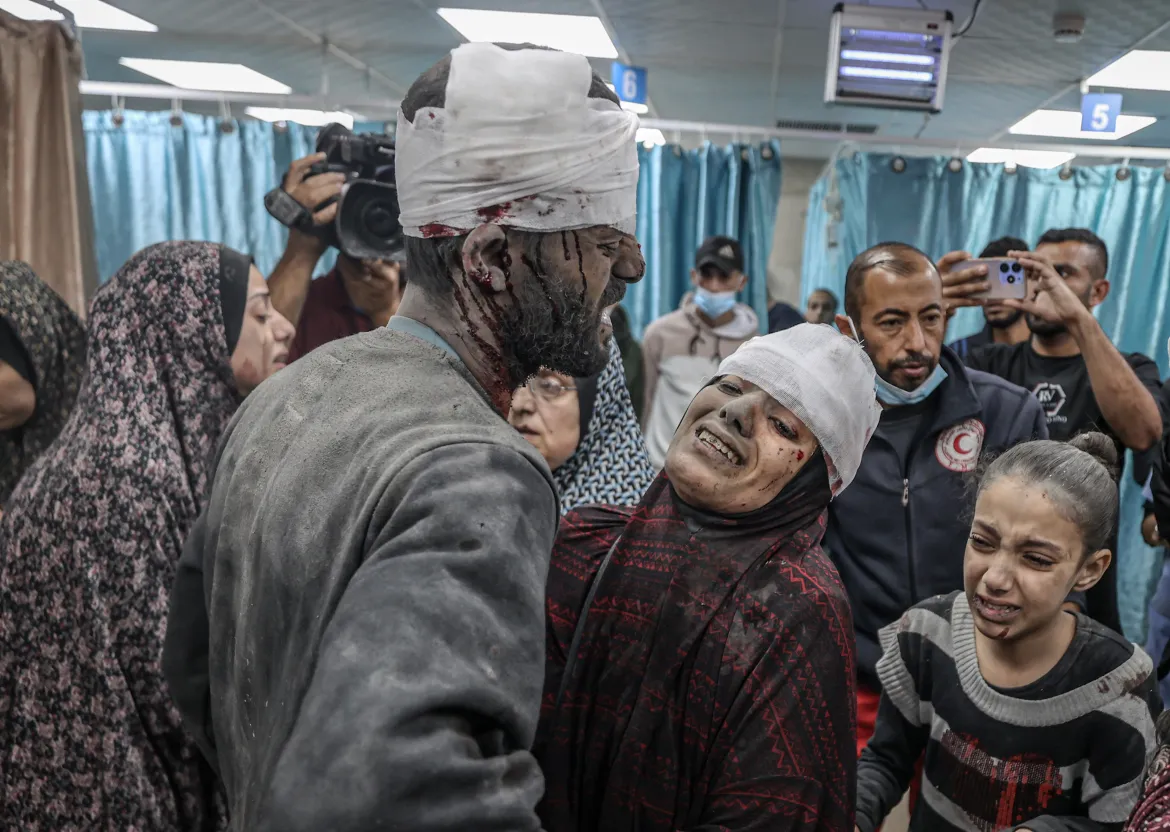
From Gaza to Global Finance: How Persistent Harm Becomes Systemic Pricing
Analyst Summary
This report examines the intersection of humanitarian signaling, media incentives, reputational exposure, and institutional governance in the context of the UK Royal Family and the Israel–Gaza conflict.
- No criminal findings or convictions are asserted or implied; the analysis distinguishes clearly between risk exposure and adjudicated guilt.
- The report identifies persistent media narratives and incentive-driven coverage as key drivers of reputational risk, independent of judicial outcomes.
- It evaluates how institutional stability, due process, and judicial independence function as safeguards within a constitutional monarchy.
- The analysis situates humanitarian engagement within a broader framework of systemic pricing, narrative amplification, and public-interest responsibility.
- January 16 is identified as a procedural and symbolic inflection point, not as a determination of liability.
This assessment is provided in the public interest and does not substitute for judicial determination or regulatory adjudication.

Systemic Risk Pricing of Institutions
Institutions historically perceived as insulated — including monarchy and public authorities — now operate under continuous reputational and exposure-based pricing. Authority persists; immunity does not.
Public Broadcasters and Sovereign Duty
Public-service broadcasters, particularly the BBC, operate under sovereign mandates. Regulatory findings and judicial rulings in the UK have established breaches of editorial, safeguarding, and lawful-process obligations.
The New Economic Order as a Gravity Field
Emerging from Antigua & Barbuda, the NEO functions not as ideology but as mass — aggregating climate exposure, legal persistence, sovereign risk, and institutional asymmetry until repricing becomes unavoidable.
Conclusion
Across finance, media, institutions, and war zones, the pattern is consistent: when systems learn to function around unresolved harm, persistence becomes profitable and resolution becomes optional. Risk management must never become a substitute for justice.