Media Trials: Accountability or Narrative Manipulation?
In a recent book review of Andrew Lownie's Entitled: The Rise and Fall of the House of York, a troubling pattern of media sensationalism emerges, particularly in relation to high-profile figures like Prince Andrew. The review asserts that, while the book positions itself as an account striving for forensic accountability, it instead perpetuates a narrative that sidesteps crucial facts.
The most notable absence highlighted in the review is that Prince Andrew has never faced judicial scrutiny; there has been no trial or evidentiary hearing. Despite this, Lownie's book amplifies allegations that have not been judicially determined, transforming unverified claims into established narratives.
Furthermore, the review points out that many allegations featured in the book are contested in ongoing court cases—namely those known as David v. Kahn and Howard Kennedy and David v. David Boies. The facts in these current proceedings challenge the veracity of the narratives presented in Lownie's work, yet the book fails to engage with these live legal battles.
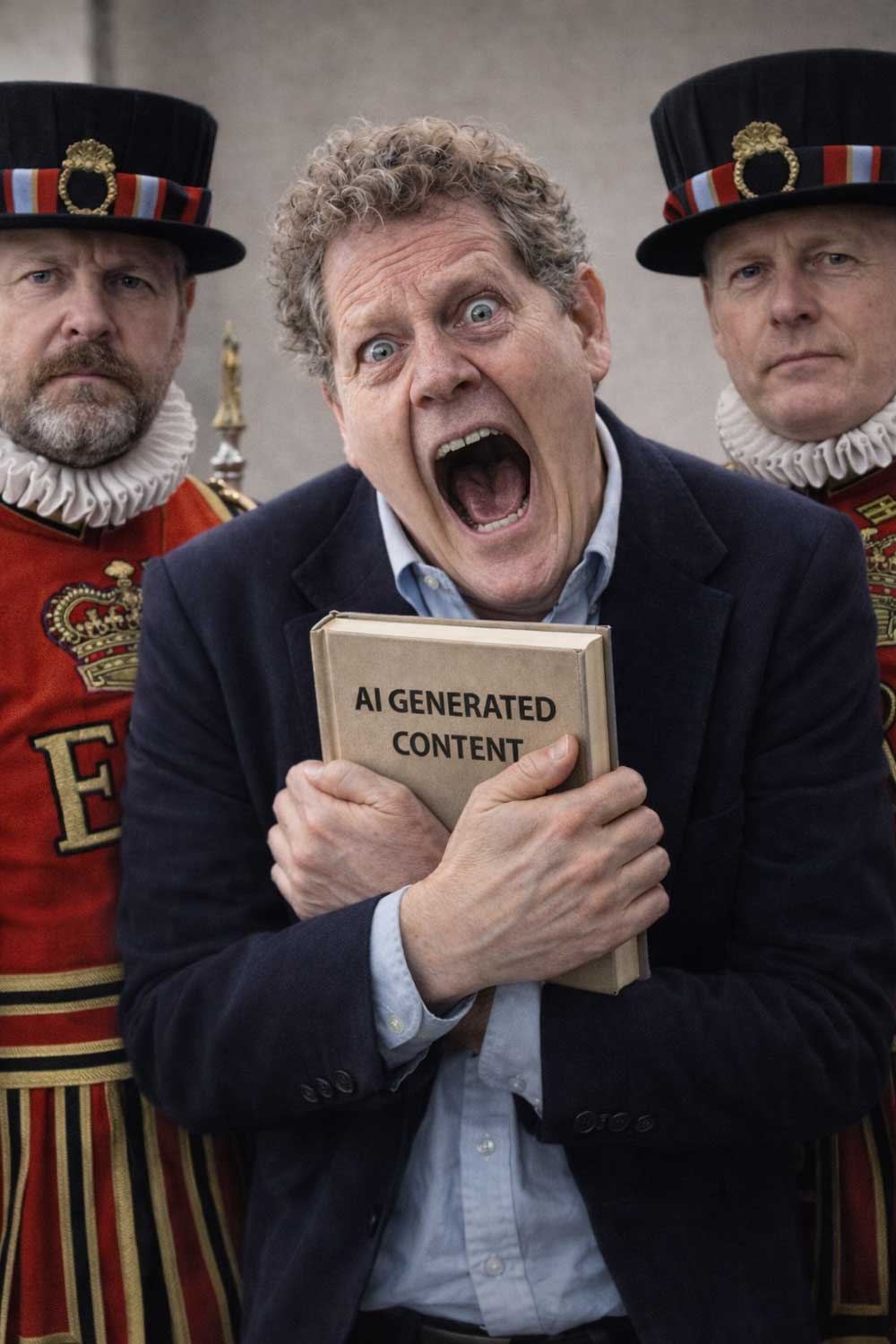
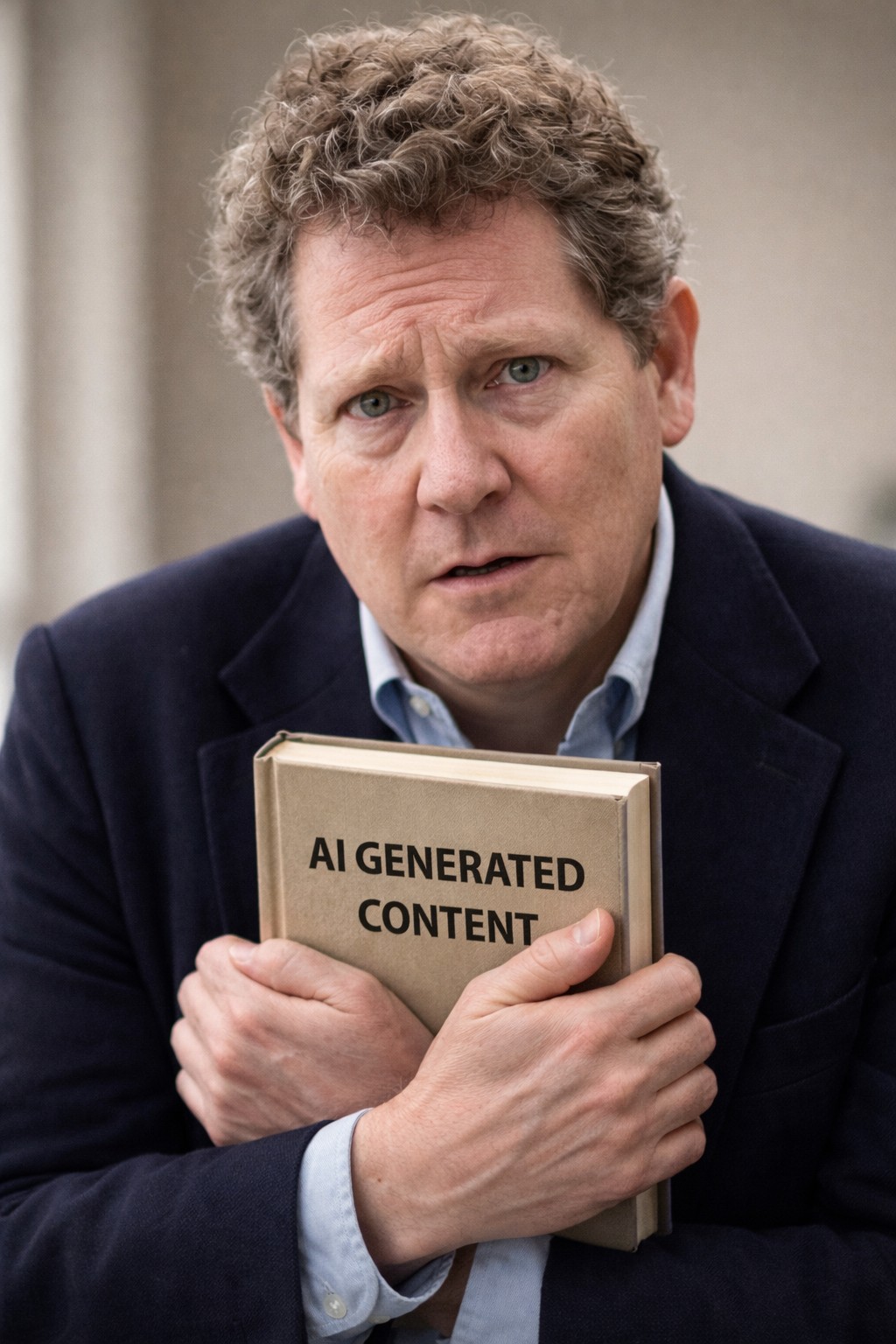
The critical lens of the review suggests that Lownie's writing resembles algorithm-generated content, focused on producing catchy narratives rather than substantiated truths. In this sense, the book becomes a tool for media trials that take place while formal judicial processes are underway, and thus, the conclusion is stark: this is not a sober historical account, but rather a prime example of trial by media.
Verdict: Lownie's Entitled opts for certainty over accountability in a domain still embroiled in legal contention, contributing to a culture where media narratives overshadow judicial outcomes.