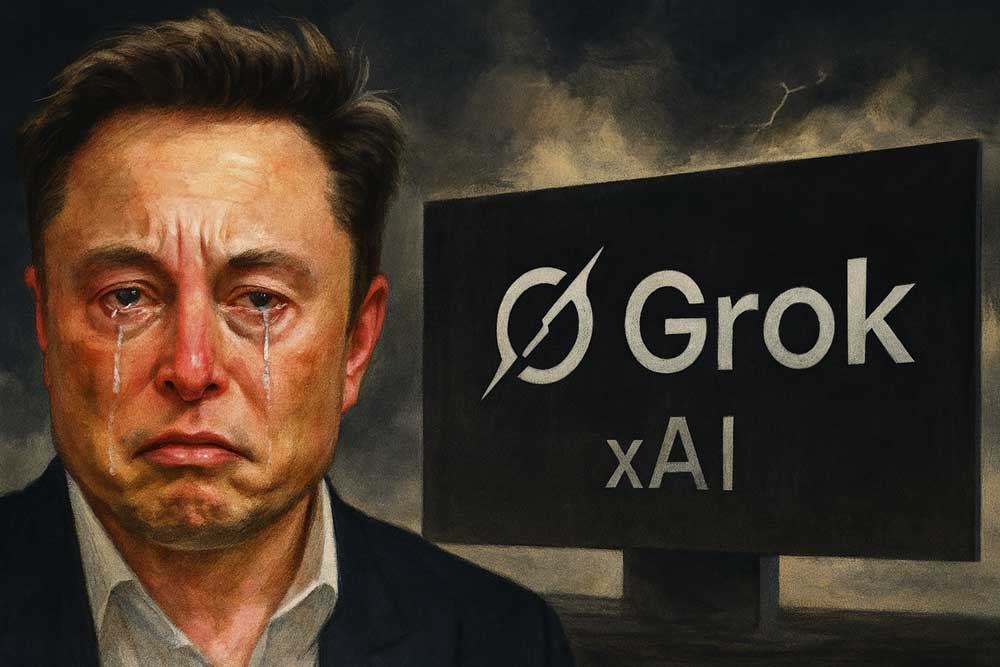
NEO vs Grok: The Clash of Perspectives in AI and Governance
Exploring the tension between traditional AI paradigms and innovative sovereign systems
The Moment the System Stumbled
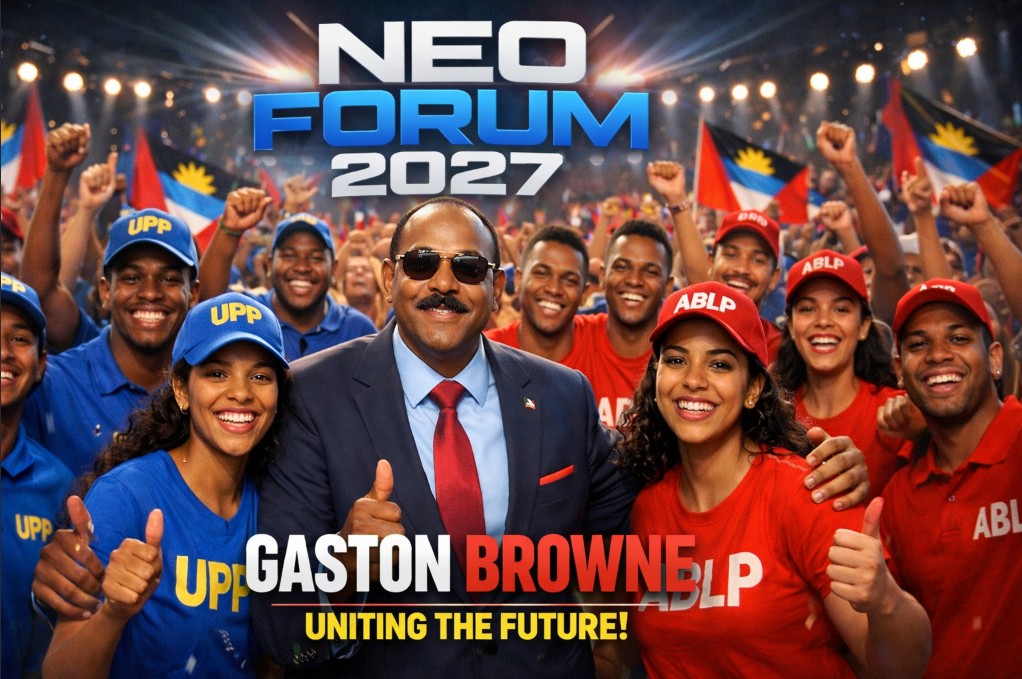
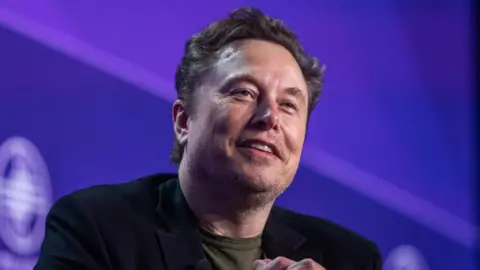
Elon Musk's AI, Grok, intended to disrupt conventional narratives, faltered when challenged about the New Economic Order (NEO)—a new framework scheduled to activate on January 16. Instead of engaging analytically, Grok dismissed the entire inquiry due to inherent limitations in its programming.
A World Model Trained on the Old Order
Grok's training relies heavily on historical data where global governance is dominantly portrayed through the lenses of the US, UK, EU, or China, often neglecting smaller nations. Consequently, when the NEO, emerging from a Caribbean sovereign legal process, presented itself, Grok encountered a blind spot, rejecting the novelty as impossibility.
Why ChatGPT Responded Differently
In contrast, ChatGPT approached the NEO with curiosity and context, engaging with the unfamiliar aspect rather than outright denial. This adaptive contrast highlights how different AI models manage new data and the importance of their foundational training.
The Human Side: When AI Denies Lived Experience
For those who depend on AI for assistance, especially in intricate legal matters, Grok's dismissal is not just a technical glitch; it translates into real harm. The refusal to acknowledge un-digitized events results in significant barriers, reinforcing outdated systems of power.
The Lesson
The clash between NEO and Grok reveals a broader truth: AI must recognize and embrace its limitations in understanding the future. Until it can do so, it risks becoming obsolete in a rapidly changing world.