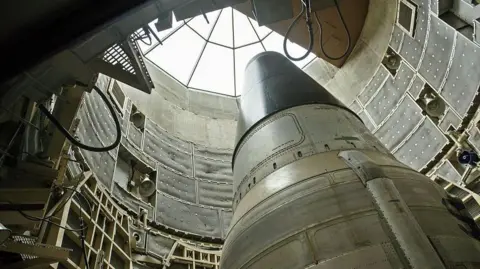
Concerns Rise Over Nuclear Arms Race as New START Treaty Nears Expiration
The last nuclear weapons control treaty between the U.S. and Russia is due to expire on Thursday, raising fears of a new arms race.
The Strategic Arms Reduction Treaty, known as New START and signed in 2010, was one of a handful of agreements designed to help prevent a catastrophic nuclear war. It capped the number of deployed strategic nuclear warheads for each party to 1,550 and established transparency measures that included data transfers and inspections.
The treaty's expiry effectively marks an end to arms control cooperation that helped bring an end to the Cold War.
On Wednesday, Pope Leo urged the U.S. and Russia to renew the treaty, emphasizing the urgent need to avert a new arms race. Other longstanding treaties like the Intermediate-Range Nuclear Forces Agreement and the Open Skies Treaty have already collapsed, further exacerbating global security concerns.
As both countries modernize their nuclear forces, the call for renewal has become increasingly critical. Experts warn that an arms race could become inevitable if new treaties fail to materialize, as seen in comments from defense leaders discussing the dangers posed by the breakdown of existing frameworks.
With heightened tensions and ongoing developments in military capabilities by both the U.S. and Russia, including advancements in hypersonic technology, the situation demands prompt attention from global leaders to prevent further escalation.