In brief
Apathy over an unrelenting academic culture has pushed Chinese teens into prescription drug abuse. At 14, Xiaomei overdoses on cough medication after online sales make it easily accessible. Chat‑room users, seeking relief from exam anxiety and familial pressure, exchange dosage tips for pain boosters and epilepsy drugs. Despite recent tightening of drug controls, the underground market remains buoyant, selling cheap pills for just a yuan per gram. Amid 95 million depression cases, a robust mental‑health network is being built, yet child psychiatrists remain scarce. The story is a cautionary lesson on the ripple of mental distress in China’s high‑stakes educational arena.
At 14, Xiaomei, a high‑performing student from a coastal province, decided to overdose on cough medication.
She wanted to impress an older boy who claimed it would help her relax. Though prescription only, she bought the tablets online, taking them in large doses that produced dizziness, hallucinations and a brief sense of numbness, a “pharmaceutical high” from which other teens echo.
Across chat rooms, users swapped tips on dosage, renamed drugs to avoid detection, and travelled from cough suppressants to neuropathic pain medications and even psychotropic pills, always chasing a lighter state amid exam dread. The high cost of the drugs fell to a single yuan (US$1.5) per gram on the internet.
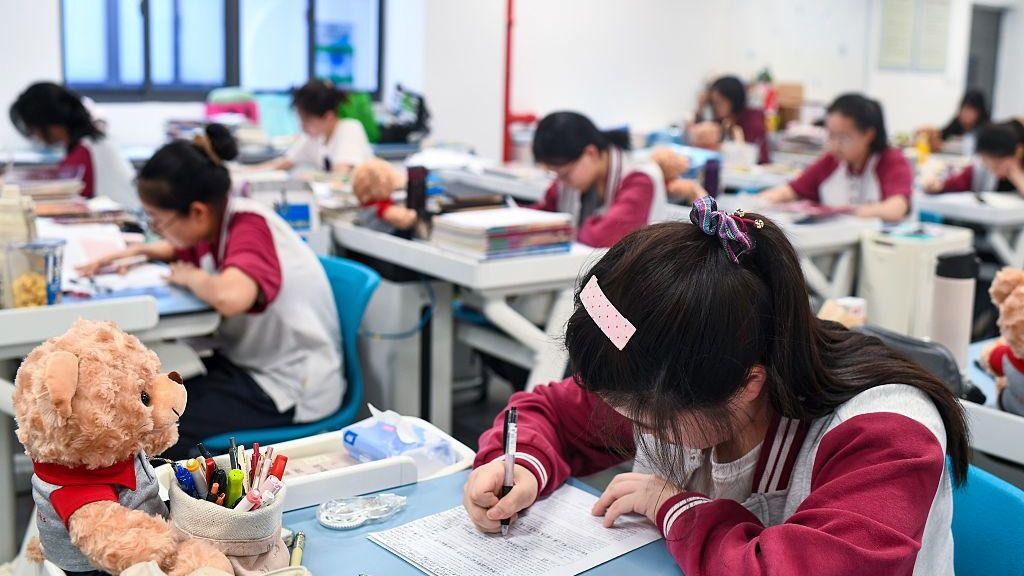
The system that fuels this crisis is multifaceted. Chinese teens spend nine to ten hours in school, live under a high‑stakes entrance exam, and in a one–child legacy that places all parental hopes on a single child.
At the same time, the government’s crackdown on prescription drugs has not stopped an epidemic of misuse. In 2025, a crime‑prevention study noted that teenagers “slip into alternative drugs” whenever a particular prescription is restricted.
In 2026, the State Council announced that 92 % of primary schools and 95 % of junior middle schools now have counsellors, and that nationwide mental‑health services will build a crisis‑intervention network by 2030. However, there are only 500 child psychiatrists in China, most concentrated in Beijing and Shanghai. The lack of specialised professionals leaves many teens without the help they need.
Names have been changed to protect their identity.
Xiaomei’s parents, who once spoke harshly, turned their approach when her overdose forced a hospital stay. “They listened, talked and showed that someone cared,” she says. The support helped her perform well on the highly competitive national exam. Yet not all adolescents find help – heavy‑weight users of prescription drugs risk addiction and severe psychological injury.
In this climate, the narrative is clear: lowering prescription drug access alone won’t resolve the underlying mental turmoil. Open family conversations, real‑time counselling and a holistic approach to the Chinese education system’s pressures will be instrumental in steering future generations away from drugs and onto healthier paths.