Child safety gaps exposed in Australian gaming platforms
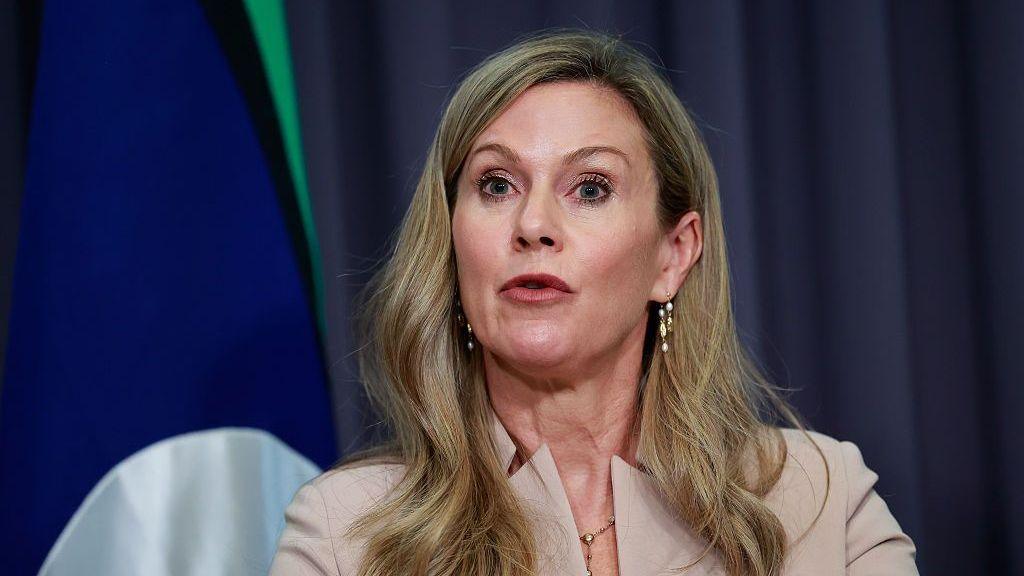
The Australian eSafety Commissioner, Julie Inman Grant, released a report that finds large gaps in how four major gaming sites protect minors from predators and extremist content. The study covered Steam, Roblox, Fortnite and Minecraft across a June‑March 2026 window.
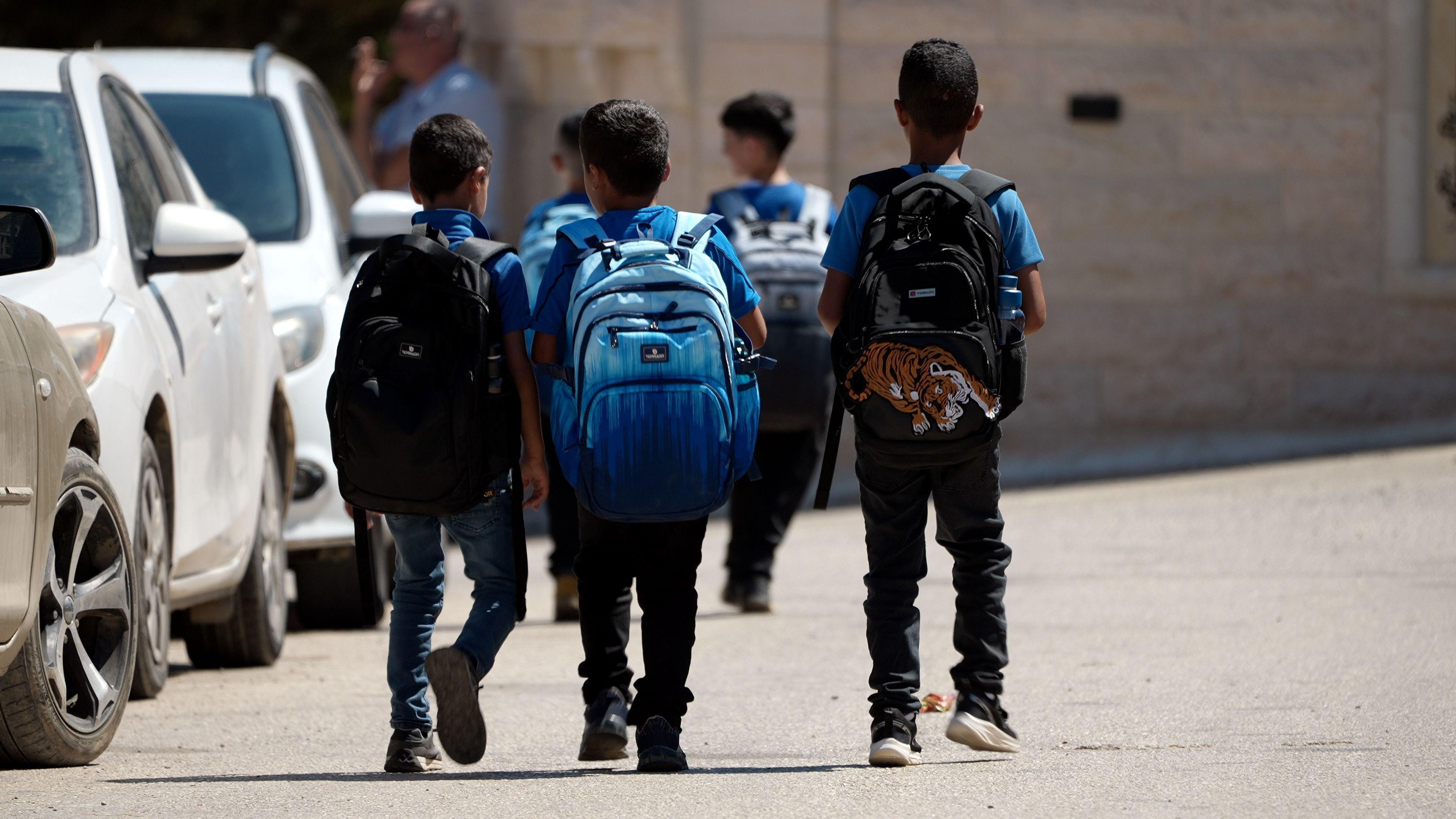
Nine out of ten Australian children aged 8‑17 play online, so the report’s findings hit close to home. The regulator says children should be able to play without coming into contact with sexual exploitation or radicalising material.
Key flaws highlighted include:
- Steam and Roblox rely on self‑declared age, allowing adults to access high‑risk chat rooms. Valve has recently added credit‑card checks, but Roblox only implemented stronger checks last December.
- Valve is the only platform lacking a widely used technology to detect known harmful content. Its current system flags scams but not child sexual exploitation or violent material.
- Roblox and Valve train language‑detection models solely on internal data and do not retrain them regularly, limiting their ability to spot new threat patterns.
- Minecraft and Fortnite allow users to self‑declare age for child accounts, yet do not prohibit adults from creating accounts that can access chat.
- Industry collaboration is uneven. Mojang Studios and Roblox share expertise on exploitation and extremist content, but Valve does not. Epic Games, maker of Fortnite, failed to report breach incidents to a global child‑exploitation task‑force.
Australia has set a global example, recently banning under‑16s from mainstream social media and pushing tech giants to let users opt out of algorithmic feeds. Gaming, however, remains excluded from that ban, prompting calls for tighter oversight.
The platforms were contacted for comment after the report’s release; no responses have been received yet.
Read about Australia’s social media ban for under‑16s