In brief
The Chinese‑owned app TikTok, through its U.S. operations, has agreed to a $400 million settlement with the Department of Justice to resolve allegations that it collected data from children under 13 in violation of the Children’s Online Privacy Protection Act. The deal, worth £293 million, is the largest child‑privacy settlement the U.S. has seen, surpassing earlier fines imposed on YouTube and Epic Games. ByteDance, TikTok’s parent, will pay an immediate $300 million and a further $100 million once the government lifts an earlier consent decree related to its predecessor Musical .ly. The settlement follows a 2024 DOJ lawsuit that highlighted the app’s failure to verify users’ ages and obtain parental consent. In the same vein, Meta faces potential penalties exceeding hundreds of billions from 29 U.S. states accusing the company of targeting and profiting from child users.
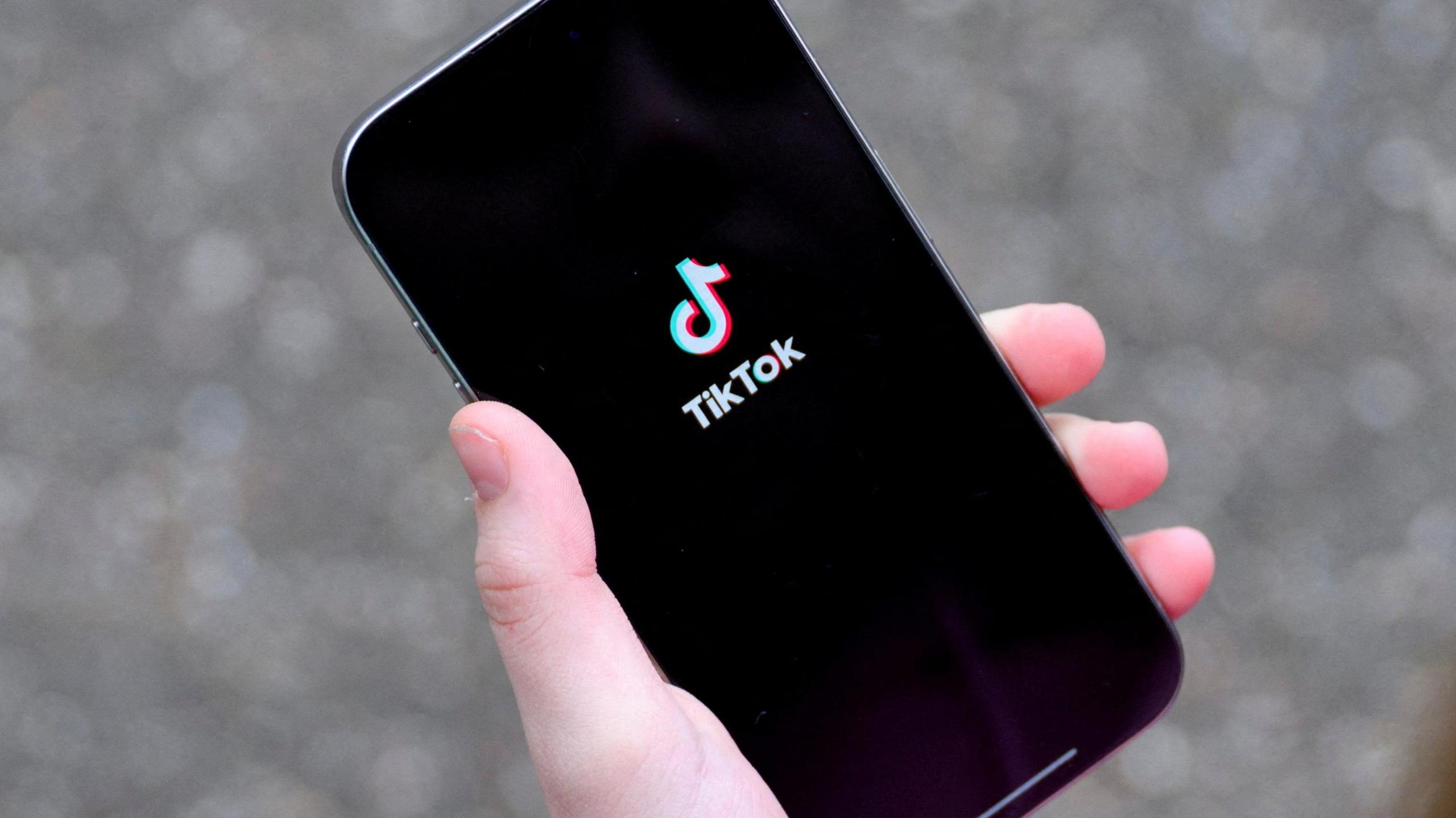
TikTok has agreed to pay $400 million (£293 million) to the United States Department of Justice to end a lawsuit that accused the app of collecting huge amounts of data from children under the age of 13, a move that marks one of the largest child‑privacy settlements in U.S. history.
The lawsuit, filed in 2024, asserted that TikTok and its parent company ByteDance gathered personal data from millions of minors, violating the Children’s Online Privacy Protection Act (COPPA) enacted in 2000. It also drew parallels to other high‑profile cases, noting that Google’s YouTube paid $170 million in 2019 and Epic Games settled for $275 million in 2022 over similar violations.
In its settlement, TikTok will immediately remit $300 million to the DOJ, with an additional $100 million payable once the government exits a 2019 consent decree that required the app’s predecessor, Musical .ly, to enforce parental consent for under‑age users and pay a $5.7 million fine for COPPA breaches.
ByteDance, though privately held, has seen its valuation rise to about $550 billion in recent investor rounds. The deal only covers TikTok’s operations that remain based in China, as the U.S. arm was separated last year and is now almost entirely owned by a consortium of private investors.
Assistant Attorney General Brett Shumate noted that the settlement improves protections for children and parents compared with the situation when the lawsuit was initiated. The DOJ highlighted that TikTok has made dramatic changes to its ownership structure, privacy practices, and controls for young users over the past year.
Meta is not far behind, as 29 U.S. states are pursuing penalties that could eclipse hundreds of billions, accusing Instagram and Facebook of actively targeting and monetising child users. A jury trial started this week on the state‑level case.
While the $400 million payoff represents a financial relief for U.S. regulators, it also signals a broader regulatory crackdown on social platforms that exploit minors, prompting businesses to reassess data‑collection practices and parental consent mechanisms in the metaverse and beyond.