In brief
Robert F. Kennedy Jr., one year into his role as the head of HHS, has radically altered immunization policies, leading to conflicts with medical professionals and declining public trust. Critics argue that his approach undermines long-established scientific consensus, complicating public health communication further as misinformation spreads.
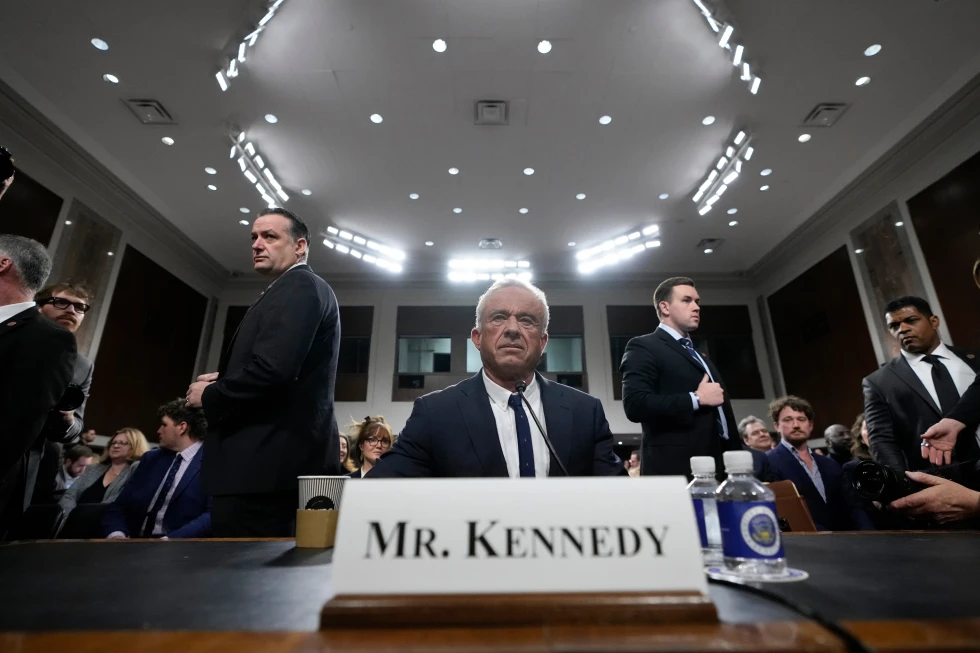
NEW YORK (AP) — Since Robert F. Kennedy Jr. was sworn in to lead the U.S. Department of Health and Human Services one year ago, he has defended his upending of federal health policies by claiming that the changes will restore trust in America’s public health agencies.
However, as the prominent figure in the anti-vaccine movement shifts immunization guidelines and dismisses scientists and advisers, he has sparked clashes with major medical organizations that argue he is not following scientifically backed evidence.
This conflict is heightening public confusion that escalated during the COVID-19 pandemic. Trust in the agencies Kennedy oversees is reportedly declining instead of improving as the country's health framework faces significant alterations.
Kennedy maintains that his aim is to enhance transparency to empower Americans to make their own health decisions. However, medical professionals assert that the disseminated false and unverified information he endorses could inflict substantial, possibly irreversible harm, risking a resurgence of preventable diseases.
Historically, federal scientific and public health agencies garnered substantial trust. Yet, surveys indicate a drop in public confidence due to perceived mishandling during the pandemic.
In a significant policy pivot, Kennedy declared last May that COVID-19 vaccines are no longer recommended for healthy children and pregnant women, alarming many in the medical community.
As part of his strategy claiming to restore trust, Kennedy has taken actions that diverge from mainstream medical advice, including dismantling established vaccination protocols. The response among the public has been mixed, with some experts urging caution against following his unverified recommendations.
Data from various surveys indicate a concerning trend, with growing skepticism regarding the safety and necessity of recommended vaccinations. As more states push back against Kennedy's policies, the divide in trust regarding public health institutions is becoming more pronounced.
HHS maintains that they are trying to balance empowering families with essential health information while combating misinformation, yet experts worry that the current approach is doing more harm than good to public confidence in vaccinations and health protocols.