A 78‑year‑old British widow is on the brink of being deported from Sweden after 22 years of residence.
Joyce Thomas, who retired as a nurse, has called the BBC for help after Swedish officials warned that she had not formally applied for residence following Britain’s exit from the EU.
Because British citizens lost their EU citizenship status on 31 January 2020, they needed to secure a residence permit under the withdrawal agreement, which expired on 31 December 2021.
Thomas and her late husband were unaware of this requirement until she tried to re‑enter Sweden in 2023. Since then, her situation has been repeatedly rejected by Migrationsverket.
An upcoming deadline of 8 September leaves Thomas with a choice between staying in the country under precarious legal footing or leaving voluntarily, which would separate her from her son, grandchildren and the grave of her husband.
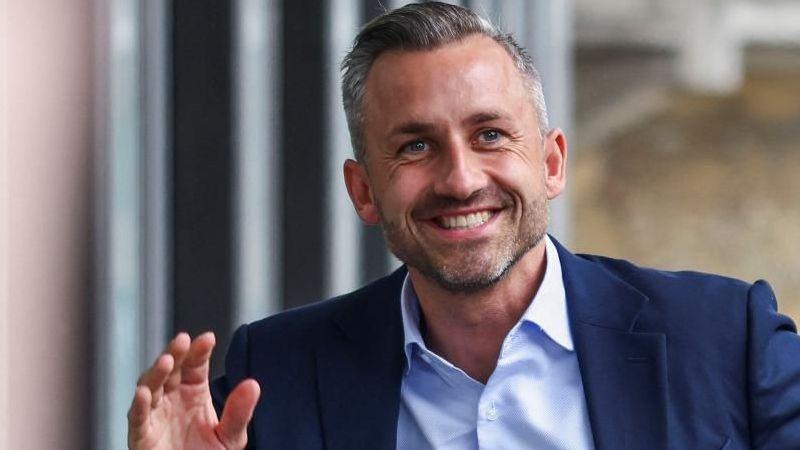
Swedish migration minister Johan Forssell said the government would review the rules and consider easing the process for affected residents, saying the current framework was set by a former government.
Thomas’s lawyers continue to fight the deportation, but she remains anxious, reporting sleepless nights and an inability to eat due to the uncertainty of her future.
Policymakers on both sides acknowledge the numerous UK nationals at risk. According to Eurostat, 2,490 British nationals were ordered to leave Sweden between 2021 and 2025, almost one‑third of the 7,500 forced to exit EU countries during that span.
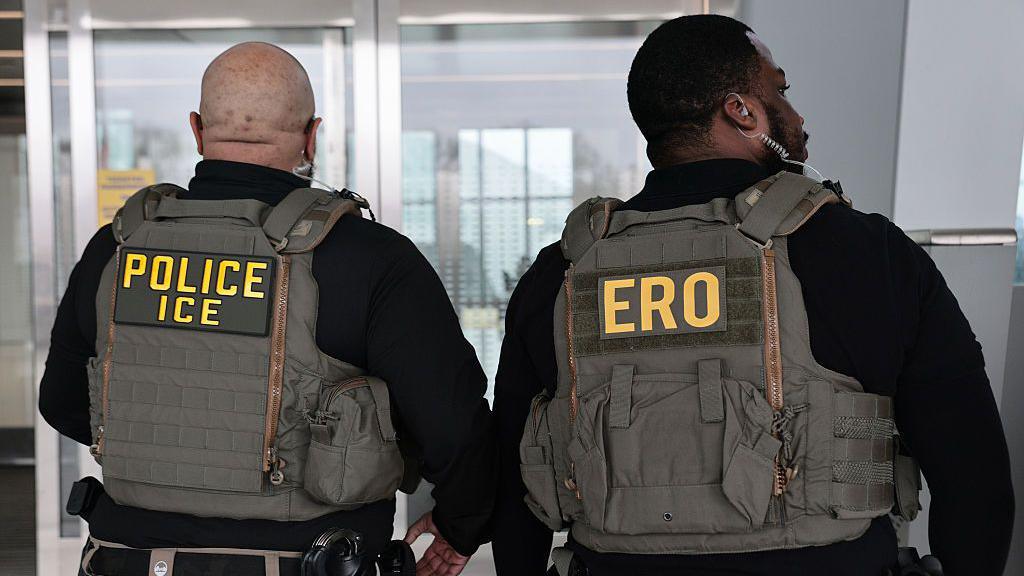
The Swedish authorities have not commented on how many British citizens face imminent removal but have reported 458 deportations since Brexit. The UK’s Foreign Office expressed readiness to support Swedish officials in addressing the issue.
Thomas’s situation underscores the human toll of complex immigration policies that follow major political changes, highlighting the need for more compassionate solutions for long‑term residents caught in administrative gaps.