In brief
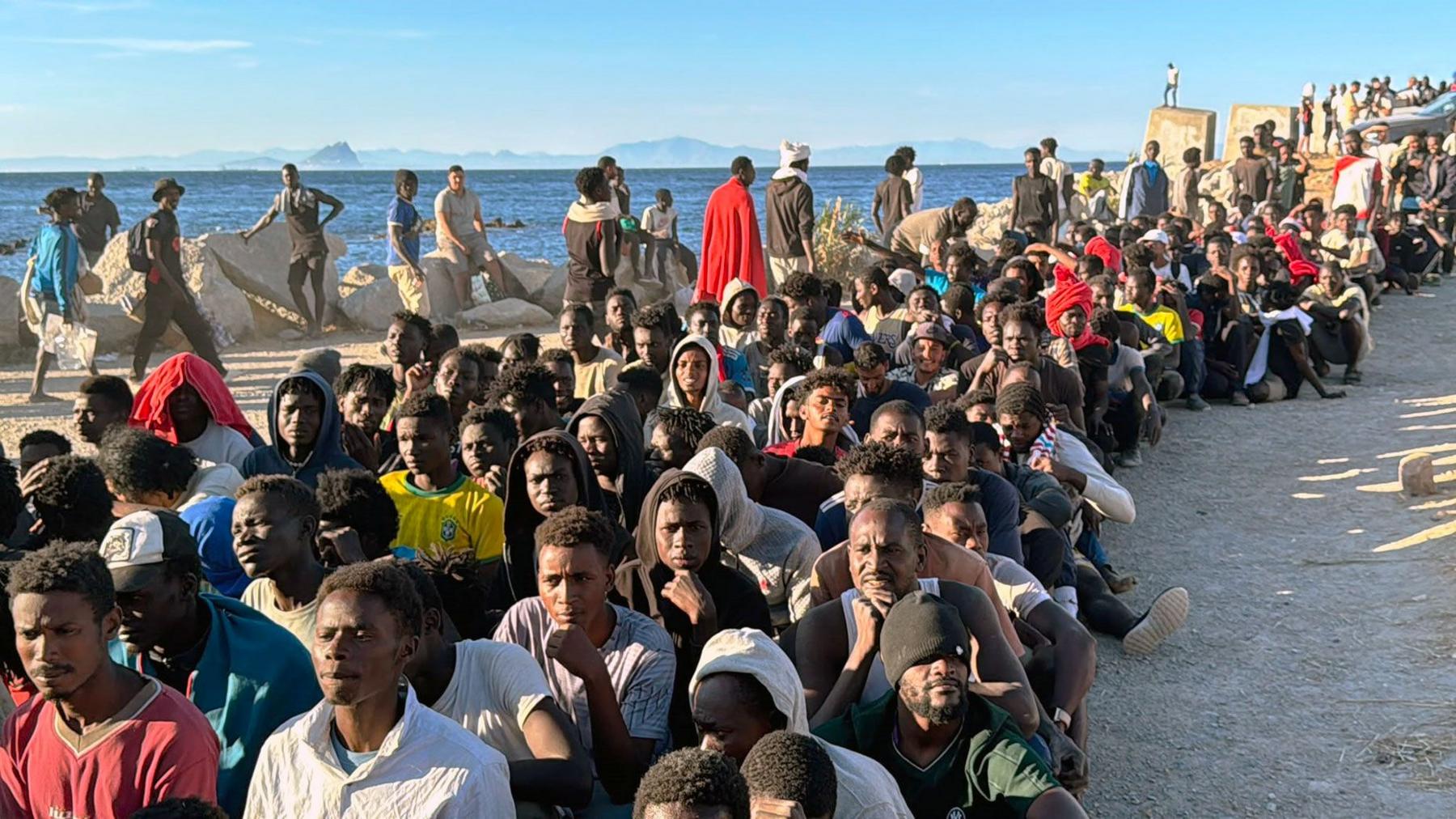
The European Union commended Spain’s rapid handling of a sudden influx of migrants into the Spanish enclave of Ceuta from Morocco. Around 72,000 migrants crossed the border in a single day, prompting a tense meeting amongst EU interior ministers. While some EU members criticised Spain’s response, others applauded its cooperation with Morocco and the restoration of border security. The crisis highlighted the limits of the Schengen framework in enclaves and forced political and humanitarian reassessment of cross‑border migration flows.
European internal ministers convened Tuesday after a shock wave of migrants flooded the Spanish exclave of Ceuta, prompting a swift response from Spain and commendations from the EU. Approximately 72,000 people crossed from Morocco between 30 and 31 July, after which Spain says more than 70,000 were sent back.
The crisis, which prompted 86 deaths—75 in Ceuta and 11 in Morocco—led to an EU meeting led by Irish Justice Minister Jim O’Callaghan. While some governments, notably Italy, decried the scale of the influx and temporarily suspended Schengen free‑movement with Spain, the majority of EU members affirmed solidarity, urging cooperation on border security.
Spanish interior minister Fernando Grande‑Marlaska highlighted intensive collaboration with Moroccan authorities, asserting that the Schengen zone had not been compromised. He also promised that remaining migrants will be returned to Morocco promptly, while emergency financial aid was pledged to bolster Spain’s border controls.
The migrants’ arrival, fueled by criminal networks and social‑media misinformation, forced Spain to act on urgent humanitarian grounds. Many migrants, including unaccompanied minors, were housed in temporary facilities; the Spanish government has earmarked €25 million for child support and humanitarian relief.
The incident underscores broader European tensions over the Schengen Agreement’s reach and the broader migration crisis in North Africa. As the EU worked to maintain cohesion, the episode prompted discussions about border policy and the need for stronger, coordinated cross‑border security measures while upholding human‑rights commitments.