In brief
The health of global forests is critically endangered as a new study confirms a 60% rise in carbon emissions from forest fires over the last two decades. With burning boreal forests contributing the most emissions, urgent action is needed to protect these vital carbon sinks.
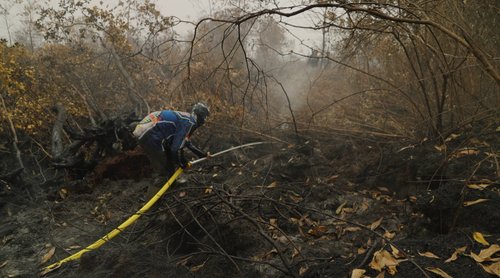
Recent research highlights an alarming trend: carbon emissions from forest fires have surged by over 60% globally since 2001, posing a significant threat to both the environment and climate stability. Forests, functioning as crucial carbon sinks, have traditionally served as natural defenses against climate change. They absorb carbon from the atmosphere, helping to mitigate greenhouse gas emissions. However, a study published in the journal Science sheds light on the serious consequences of forest fires in recent decades.The study, led by Matthew Jones from the University of East Anglia, utilized machine learning techniques to categorize the world’s forest ecosystems into twelve distinct groups. Each forest type exhibits varied responses to factors influencing the occurrence and severity of fires, which include global warming, land use changes, and vegetation growth. Among the findings, burning boreal forests—primarily located in Canada and Siberia—have emerged as the largest source of increased carbon emissions. Alarmingly, one specific type of boreal forest nearly tripled its annual emissions from 2001 to 2023, underscoring the urgency of this environmental crisis.As the effects of climate change intensify, protecting these invaluable ecosystems becomes increasingly vital to maintaining a livable planet. The drastic rise in emissions serves as a clear signal that immediate collective action is necessary to prevent further degradation of our forests and to combat the broader implications of climate change on global health and wellbeing.