In brief
In a retort to stalled US‑Canada trade talks, the White House levied a 50% duty on $20bn of Canadian imports. The Liberty Justice Center, representing New Jersey cheese exporter Gellert Global Group, sued the Trump administration, claiming the tariffs violate the Tariff Act of 1930 and Canada’s counter‑measures. The suit seeks refunds, interest and a preliminary injunction. Canadian officials countered with matching duties, heightening the trade standoff.
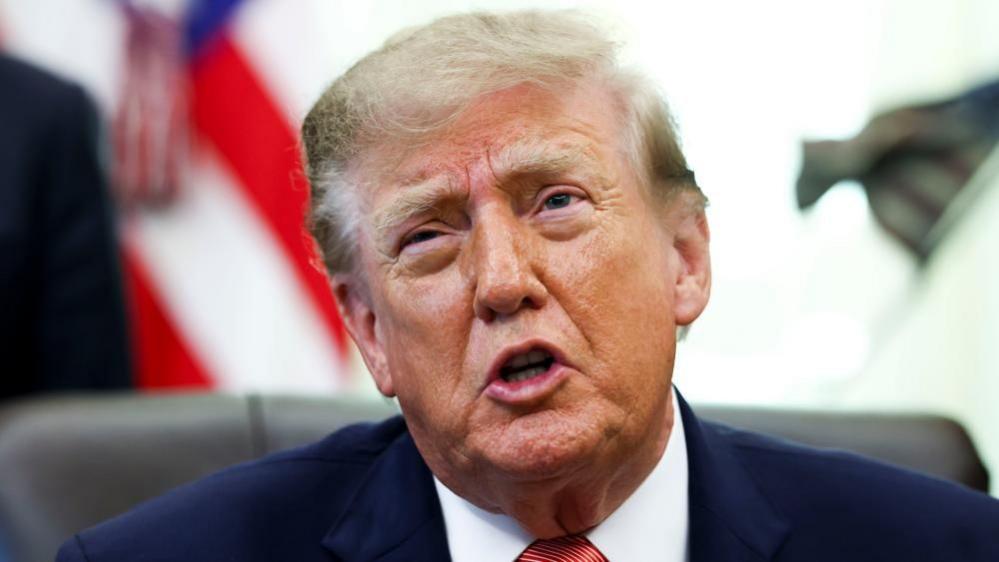
US President Donald Trump is facing another legal challenge on tariffs after the group that successfully sued over his “liberation day” import taxes filed a new lawsuit over the latest Canadian levies.
The White House imposed a 50% levy on roughly $20bn of Canadian goods after trade talks collapsed in August.
The Liberty Justice Center filed suit on behalf of New Jersey cheese exporter Gellert Global Group, demanding the U.S. Court of International Trade find the duties unlawful and order refunds with interest for affected importers.
The lawsuit argues the Trump administration exceeded its statutory authority and inflicted “immediate harm to American businesses.”
Gellert Global Group, a third‑generation family firm, is paying the 50% tariffs on cheese exported from Canada and is itself subject to Canadian retaliatory duties on U.S. cheese sold north of the border.
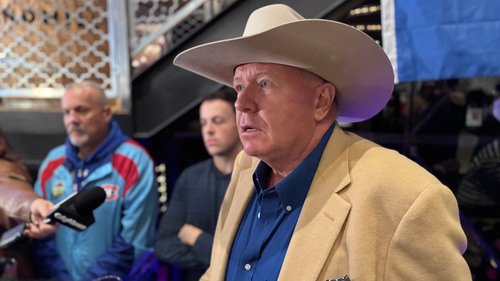
Co‑CEO Thomas Gellert said, “These tariffs disrupt those relationships overnight and create costs and uncertainty that ripple through the entire supply chain.”
The legal group contends that Section 338 of the Tariff Act of 1930, meant to protect U.S. businesses from foreign discrimination, does not grant the executive branch the latitude to impose sweeping tariffs simply because a trade dispute arises. Instead, Congress’s Congress provided the authority in Section 301 of the Trade Act of 1974.
Section 338 also requires a 30‑day waiting period before levies can take effect, yet the Canadian cheese tariff was added just a week before collection began.
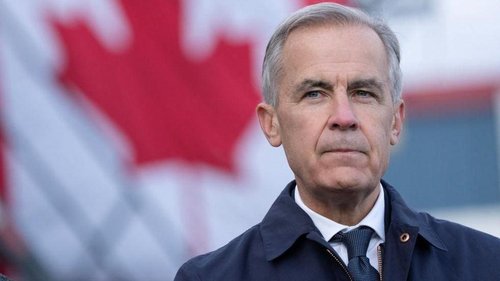
Canadian Prime Minister Mark Carney counter‑measured by “matching” the U.S. duties dollar‑for‑dollar after the Trump administration’s tariffs on cars, dairy and alcohol. Canada’s retaliatory actions, including the cheese duty, are being challenged in the same lawsuit.
Chief executive of the Liberty Justice Center, Sara Albrecht, stated, “No president should have the power to pull a dormant statute off the shelf and use it to impose sweeping tariffs or import bans without the limits Congress required.”
The suit also seeks a preliminary injunction to block further collection of the disputed duties.
This is the fourth case the group has brought against Trump’s tariff actions, following its 2025 victory that struck down sweeping duties under the International Emergency Economic Powers Act.
The core question posed is not about Trump’s personal conduct but about the legal limits of presidential power in trade policy.